The Lincoln Wheat cent is one of the most collected coins in United States numismatics, and among them, the 1944 issue holds a special place. Produced during the final year of World War II’s peak production era, this coin reflects both historical significance and collector demand. Understanding the 1944 Wheat Penny Value requires looking beyond face value and examining metal composition, mint marks, condition, and rare minting errors. While most examples are common, a small number can be surprisingly valuable, making this coin an enduring favorite for collectors and investors alike.
Historical Background of the 1944 Wheat Penny
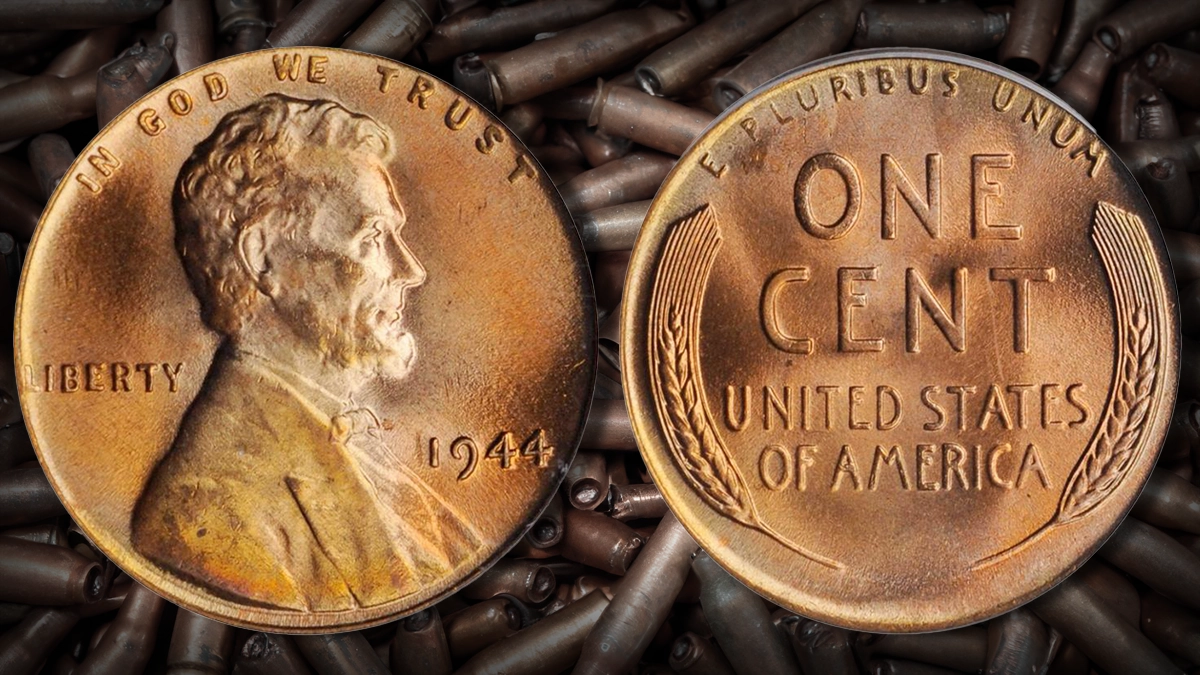
The 1944 Wheat penny was struck during a time when the U.S. Mint had returned to using copper-based metal after experimenting with steel cents in 1943. These coins feature Abraham Lincoln on the obverse and the iconic wheat ears design on the reverse, which was used from 1909 to 1958.
In 1944, pennies were minted at three facilities: Philadelphia (no mint mark), Denver (D), and San Francisco (S). Production numbers were extremely high, especially in Philadelphia, as the nation required massive quantities of coinage for commerce. This abundance explains why most circulated examples are still easy to find today.
Factors That Determine Coin Value
Metal Composition and Weight
Most 1944 Wheat pennies are composed of 95% copper and 5% zinc and tin, giving them a reddish-brown tone when well preserved. Their intrinsic metal value fluctuates with copper prices, which can influence the baseline worth even for worn examples.
Mint Marks and Mintage
Mint marks play a critical role in pricing. Philadelphia coins are the most common, while Denver and San Francisco issues are slightly scarcer. As a result, collectors often pay a premium for well-preserved D and S mint examples when assessing the 1944 Wheat Penny Value.
Condition and Eye Appeal
Condition is one of the most important determinants of value. Coins are graded on a scale from Poor (P-1) to Mint State (MS-70). A heavily worn penny may only be worth a few cents, while a sharply struck, uncirculated example with original luster can command significantly more.
Rare Errors That Increase Value
1944 Steel Penny Error
One of the most famous and valuable minting mistakes involves 1944 pennies struck on leftover steel planchets from 1943. These coins are magnetic and silver-gray in appearance. Only a small number are known to exist, and they can sell for tens of thousands of dollars at auction. Their rarity dramatically elevates the 1944 Wheat Penny Value when authenticated.
Doubled Die Errors
Some 1944 Wheat pennies exhibit doubled die errors, where design elements such as the date or lettering appear doubled due to misalignment during the die creation process. While not all doubled dies are extremely valuable, strong and clearly visible examples are highly collectible.
Off-Metal and Planchet Errors
Other notable errors include off-metal strikes, clipped planchets, and misaligned dies. These errors vary widely in value depending on severity, eye appeal, and overall condition, but they add excitement and potential upside for collectors.
Grading and Professional Authentication
Importance of Third-Party Grading
Professional grading services such as PCGS and NGC provide authentication and standardized grading. Certified coins often sell for higher prices because buyers have confidence in their authenticity and condition. This is especially important when evaluating higher-end examples or rare errors affecting the 1944 Wheat Penny Value.
Color Designations
Copper coins are also designated by color: Red (RD), Red-Brown (RB), or Brown (BN). Full red examples are the most desirable and can be worth several times more than brown coins of the same numeric grade.
Market Trends and Collector Demand
Current Collector Interest
The Lincoln Wheat series remains popular among beginners and advanced collectors. The affordability of most examples makes them accessible, while rare varieties and high-grade coins attract serious numismatists. Market demand has remained steady, supporting consistent prices for quality pieces and reinforcing the long-term appeal tied to the 1944 Wheat Penny Value.
Investment Perspective
While common circulated coins are not major investment vehicles, premium examples—especially error coins and certified mint state pieces—have shown strong appreciation over time. Collectors who focus on quality, rarity, and proper storage tend to see the best results.
How to Identify a Valuable 1944 Wheat Penny
Begin by checking the date, mint mark, and color. Use a magnet to rule out or confirm the rare steel error. Examine the coin under magnification for doubling or unusual features. Weighing the coin can also help identify off-metal strikes. When in doubt, professional evaluation is recommended.
Conclusion
The 1944 Wheat penny is far more than a one-cent coin. Its historical context, massive production, and the existence of rare and dramatic errors make it an essential part of American coin collecting. While most examples remain modest in value, select coins can be exceptionally valuable, particularly those with rare errors or superior preservation. By understanding grading standards, mint variations, and market trends, collectors can better appreciate and accurately assess the 1944 Wheat Penny Value, turning a simple pocket find into a meaningful numismatic discovery.