Introduction
Beard dandruff is a common but often overlooked issue that many men face. It can be both frustrating and embarrassing, especially when it leads to visible flakes on the beard and itching. While the scalp is often the focus when it comes to dandruff, the beard can be just as susceptible to these annoying flakes. If you’ve ever wondered what causes beard dandruff, you’re not alone. In this article, we will delve into the key causes behind beard dandruff and provide effective treatments to help you manage and eliminate it.
What Causes Beard Dandruff?
Understanding what causes beard dandruff is the first step in finding an effective solution. Several factors can contribute to dandruff in the beard area, ranging from dry skin to fungal infections. Here’s a closer look at the primary causes:
- Dry Skin and Flakiness: Just like the scalp, the skin under the beard can become dry and flaky, especially during cold weather or in dry indoor environments. This dryness leads to the formation of visible flakes, which are commonly mistaken for dandruff.
- Fungal Infections (Malassezia): The Malassezia fungus is naturally present on the skin but can overgrow in some individuals, causing dandruff. This is a common cause of beard dandruff, and it may require antifungal treatments to address.
- Hormonal Imbalances: Hormones, particularly testosterone, can affect the production of oils on the skin. Excess oil can contribute to dandruff by creating an environment conducive to fungal growth or skin irritation.
- Poor Hygiene or Improper Grooming: Neglecting regular beard care, such as washing and moisturizing, can cause a build-up of dead skin cells and oils, contributing to dandruff.
- Skin Conditions like Eczema and Psoriasis: Conditions such as eczema and psoriasis can cause the skin under your beard to become irritated, inflamed, and flaky, leading to dandruff-like symptoms.
Common Symptoms of Beard Dandruff
Recognizing the symptoms of beard dandruff is crucial for effective treatment. The most common signs include:
- Visible flakes: These are the telltale white or yellowish flakes that appear in the beard.
- Itching: A common symptom of dandruff, itching can be mild or severe.
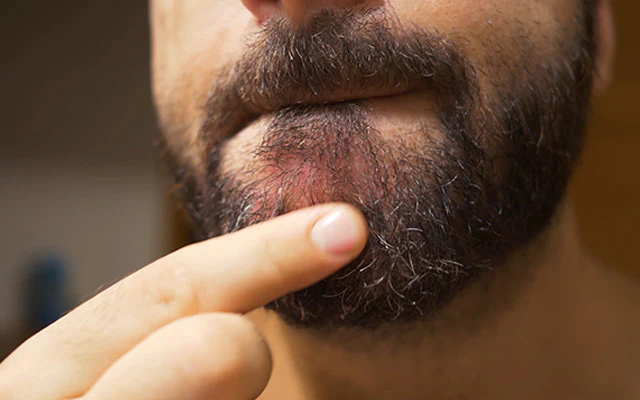
- Redness and irritation: The skin under the beard may become inflamed, especially if the dandruff is caused by a fungal infection or skin condition.
Dry Skin and Flakiness
Dry skin is one of the most common causes of beard dandruff. When the skin under the beard doesn’t produce enough moisture, it becomes flaky and irritated, which leads to the formation of dandruff. What causes beard dandruff in this case is simply a lack of hydration. Environmental factors, such as cold weather or using harsh soaps, can exacerbate this dryness.
Treatment for Dry Skin:
- Moisturizing: Use a beard balm or oil to hydrate the skin and prevent flakiness.
- Avoid harsh soaps: Opt for a mild beard wash that doesn’t strip away natural oils.
- Exfoliate: Regular exfoliation removes dead skin cells, reducing flakiness.
Fungal Infections and Malassezia
Fungal infections are another common cause of beard dandruff, particularly the overgrowth of Malassezia, a yeast-like fungus. This fungus thrives on oily skin and can lead to seborrheic dermatitis, which causes dandruff in both the scalp and beard.
Treatment for Fungal Infections:
- Antifungal shampoos: Products containing ketoconazole or zinc pyrithione can help combat Malassezia.
- Topical antifungals: Creams or ointments prescribed by a dermatologist can target fungal growth under the beard.
Hormonal Imbalances and Beard Dandruff
Hormonal changes can also contribute to beard dandruff. Testosterone plays a significant role in sebum (oil) production, and an imbalance in hormones can lead to excessive oil production. This oil can create a perfect environment for Malassezia to grow, causing dandruff.
Treatment for Hormonal Imbalances:
- Manage hormone levels: If you suspect hormonal imbalances, consult with a healthcare provider.
- Use oil-absorbing products: Mattifying or oil-absorbing beard products can help reduce excess oil.
Poor Hygiene and Improper Grooming
One of the simplest but most often overlooked causes of beard dandruff is poor hygiene. Not washing the beard regularly can result in the accumulation of dead skin cells, oils, and dirt, all of which can contribute to dandruff.
Treatment for Poor Hygiene:
- Regular beard washing: Use a beard shampoo to cleanse the beard and remove build-up.
- Proper grooming tools: Invest in a good beard comb and brush to keep the beard clean and detangled.
Skin Conditions: Eczema and Psoriasis
Skin conditions like eczema and psoriasis can cause patches of red, irritated skin and flaking under the beard. These conditions can be more severe than regular dandruff and may require medical treatment.
Treatment for Eczema and Psoriasis:
- Consult a dermatologist: Prescription-strength topical steroids or other treatments may be necessary.
- Moisturizing: Use a fragrance-free moisturizer to soothe inflamed skin.
Effective Treatments for Beard Dandruff
Now that we’ve explored the causes, it’s time to discuss how to treat and manage beard dandruff. Depending on the underlying cause, there are several treatments you can try:
- Anti-dandruff Shampoos: Look for shampoos specifically designed for dandruff, containing active ingredients like ketoconazole, zinc pyrithione, or selenium sulfide.
- Beard Oils and Balms: Regularly applying a moisturizing oil or balm can help maintain skin hydration and prevent dryness.
- Prescription Treatments: If your dandruff is caused by a fungal infection or skin condition, your doctor may prescribe antifungal creams or medicated shampoos.
How to Prevent Beard Dandruff
Prevention is always better than cure, and in the case of beard dandruff, maintaining a good hygiene routine is key. Regular beard washing, moisturizing, and using the right products can help prevent dandruff from forming in the first place.
Lifestyle Changes to Reduce Beard Dandruff
In addition to your grooming routine, making certain lifestyle changes can help keep your beard healthy and dandruff-free. Staying hydrated, managing stress, and eating a balanced diet are all important factors that can improve your skin’s overall health.
Conclusion
In conclusion, what causes beard dandruff can vary from person to person, but the most common factors include dry skin, fungal infections, hormonal imbalances, and poor hygiene. By addressing these causes with the right treatments and prevention methods, you can effectively manage and eliminate beard dandruff for good. A consistent skincare routine, combined with the right products, can keep your beard looking and feeling healthy.
Frequently Asked Questions (FAQs)
- What is the best way to treat beard dandruff?
The best way to treat beard dandruff is by using anti-dandruff shampoos, moisturizing beard oils, and exfoliating the skin regularly. - Can stress contribute to beard dandruff?
Yes, stress can exacerbate skin conditions like seborrheic dermatitis, which can lead to beard dandruff. - How do I know if my beard dandruff is caused by a fungus?
If your dandruff is accompanied by redness, inflammation, or a greasy appearance, it may be due to a fungal infection like Malassezia. - Can I use regular dandruff shampoo on my beard?
Yes, you can use regular dandruff shampoo, but it’s better to use products specifically formulated for the beard to avoid irritation.
- Are there any natural remedies for beard dandruff?
- Yes, natural remedies like tea tree oil, coconut oil, and aloe vera gel can help soothe and treat beard dandruff naturally.
Read more articles.