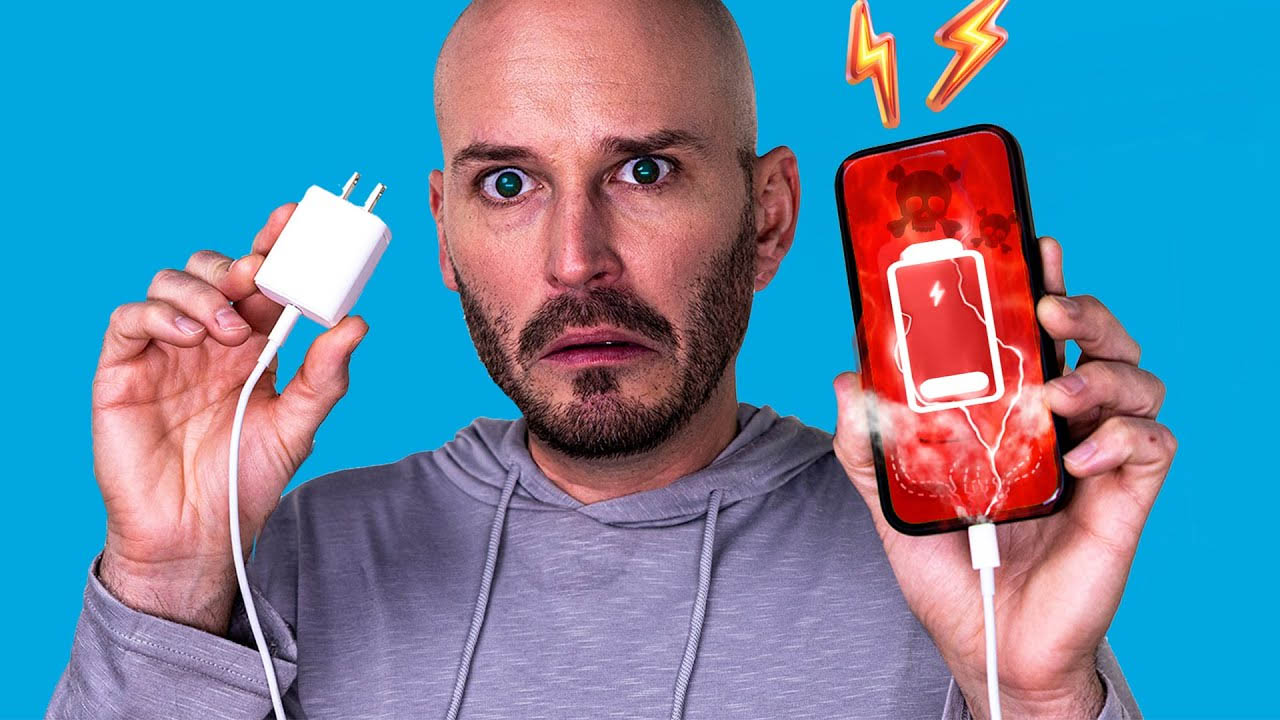
Fast charging has become a standard feature in modern smartphones. Brands promote 30W, 44W, 65W, 80W, and even 150W fast charging speeds, claiming your device can go from zero to full in minutes. While this technology offers great convenience, many users worry whether fast charging harms the battery or reduces its lifespan. The concern is valid because lithium-ion batteries are sensitive to heat, voltage, and charge cycles. This article explains how fast charging works, whether it damages your phone, and how you can use it safely to maintain long-term battery health.
How Fast Charging Works
To understand if fast charging harms your phone, it is important to know how the technology functions. Regular charging supplies a low and stable current, allowing the battery to charge slowly. Fast charging, on the other hand, uses higher voltage and current to push more power into the battery in a shorter amount of time.
Smartphones use built-in charging controllers that regulate how much power enters the battery. These controllers adjust voltage and current based on temperature and battery capacity. Fast charging usually happens in two stages:
Rapid Charging Phase:
Power flows at high speed until the battery reaches around 50 to 70 percent.
Trickle Charging Phase:
Power flow slows down automatically to protect the battery as it gets closer to 100 percent.
This efficient power management is the reason why your phone charges quickly in the beginning and slows down near the end.
Does Fast Charging Damage the Battery?
The direct answer: Fast charging does not immediately harm the battery, but it can reduce battery health over time if used excessively. The major reason behind this is heat, not the charging speed itself.
1. Heat Is the Real Enemy
Fast charging generates more heat than normal charging because the battery is processing higher levels of power. Excessive heat accelerates chemical reactions inside lithium-ion batteries, which leads to:
Faster wear
Reduced battery capacity
Shorter overall lifespan
If your phone heats up significantly during fast charging, it may be damaging the battery slowly.
2. Built-in Safety Systems Reduce Risk
Most modern smartphones include multiple layers of protection such as:
Temperature sensors
Charging controllers
Adaptive charging algorithms
Battery health monitoring
These systems make sure the battery stops fast charging if it gets too hot or reaches a critical level.
3. Occasional Fast Charging Is Safe
Using fast charging once or twice a day will not cause immediate damage. The issue appears when it becomes a habit combined with high-temperature environments, gaming while charging, or overnight charging.
Myth vs. Truth About Fast Charging
Myth 1: Fast charging permanently damages the battery.
Truth: It does not cause sudden damage. It only accelerates long-term wear if the phone overheats regularly.
Myth 2: Using a high-watt charger will ruin the battery.
Truth: Phones draw only as much power as they can handle. A higher-watt charger does not overcharge the battery unless it is incompatible or of poor quality.
Myth 3: Charging to 100 percent is always harmful.
Truth: Modern phones manage this efficiently, but maintaining the battery between 20 and 80 percent is better for long-term health.
When Fast Charging Can Be Harmful
Fast charging becomes harmful when combined with certain practices. These habits increase heat and stress on the battery:
1. Using the phone while fast charging
Gaming, watching videos, or multitasking during fast charging increases CPU and GPU activity, producing additional heat.
2. Charging in hot environments
Charging under direct sunlight, inside a car, or near heat sources leads to excessive temperature buildup.
3. Using cheap or non-certified chargers
Low-quality chargers may not regulate voltage properly, resulting in overheating and unstable power flow.
4. Charging the phone to 100 percent every time
Fast charging to full capacity daily contributes to battery wear.
5. Charging the phone overnight
Even though modern phones stop charging at 100 percent, keeping the battery at full charge for hours causes slow degradation.
How Fast Charging Affects Battery Lifespan
All lithium-ion batteries degrade naturally over time, regardless of charging speed. However, fast charging can influence the rate of degradation.
1. Higher Charging Cycles
Fast charging encourages frequent charging because the phone charges quickly. More charge cycles mean faster battery wear.
2. Temperature Increase
Higher temperature equals lower lifespan. Even a 5 to 10 degree increase can impact battery longevity.
3. Chemical Stress
Fast charging pushes ions quickly during the charging process, which puts more strain on internal chemistry.
4. Long-Term Capacity Loss
Studies show that fast-charged batteries may lose capacity a little faster than slow-charged ones. But the difference is usually small if the phone regulates heat properly.
How to Use Fast Charging Safely
Fast charging is not harmful if used correctly. Here are the best practices to protect battery health:
1. Use original or certified fast chargers
Avoid low-quality chargers. Always use brand-certified adapters and cables.
2. Remove your phone case while fast charging
Cases trap heat. Removing the case allows better ventilation.
3. Do not use the phone during fast charging
Let it rest. Avoid high-performance activities.
4. Charge in a cool environment
Place the phone on a hard, cool surface. Avoid beds, cushions, or car dashboards.
5. Do not always charge from 0 to 100 percent
Try maintaining your battery between 20 and 80 percent daily.
6. Enable battery protection features
Many phones include battery protection tools such as:
-
Optimized Charging
-
Adaptive Charging
-
Battery Protection Mode
-
Slow Charging Mode
These features slow down charging when the phone is near 100 percent to reduce wear.
7. Use fast charging only when necessary
For everyday charging at home or office, use normal-speed chargers or disable fast charging.
When to Avoid Fast Charging Completely
You should avoid fast charging if:
-
Your battery health is already below 80 percent
-
Your phone heats up excessively
-
You are using an older phone
-
You use heavy apps while charging
-
You live in a hot climate
In these cases, slower charging is much safer for long-term battery performance.
Conclusion
Fast charging is a convenient and efficient technology that saves time and makes smartphone use more practical. It does not directly damage your phone’s battery, but it can contribute to long-term wear if used improperly or excessively. The main risk comes from heat, not the charging speed itself. By using certified chargers, charging in cool environments, avoiding heavy usage during charging, and enabling battery protection features, you can enjoy the benefits of fast charging without compromising battery lifespan. When used responsibly, fast charging is safe and effective, helping you stay powered throughout the day while protecting your device’s long-term health.
Also Read:- A Comprehensive Guide to Modern Ayurveda in Australia