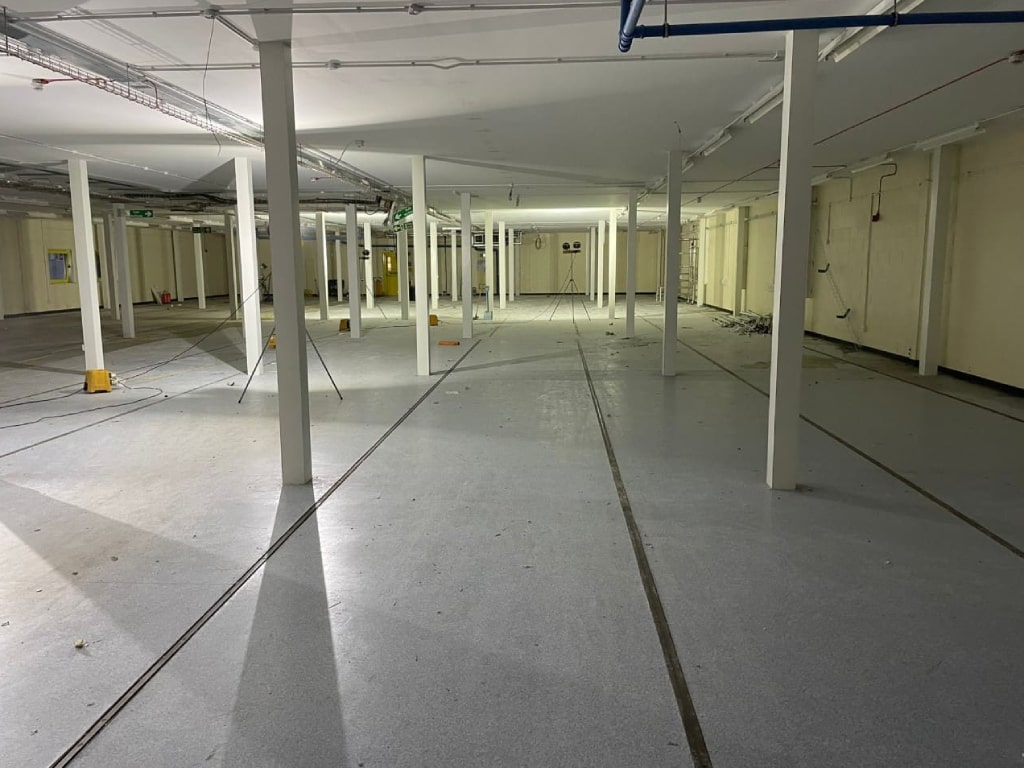
Strip out work is often the first step in renovation, refurbishment, or redevelopment projects, yet many people are unsure what it actually involves. If you are new to construction or property improvement, understanding strip out work will help you plan projects more confidently. Working with professional Strip Out Contractors ensures this important stage is carried out safely, efficiently, and in line with UK regulations.
What Is Strip Out Work?
Strip out work involves removing non-structural internal elements from a building while keeping the main structure intact. This can include partitions, ceilings, floor coverings, fixtures, fittings, and internal services such as electrical wiring or plumbing. The purpose is to clear the building back to a basic shell so new construction or refurbishment can begin without obstacles.
Why Strip Out Work Is Necessary
Before any new design or layout can be installed, old interiors must be removed. Existing fittings and finishes can hide damage, outdated systems, or safety risks. Strip out work reveals the true condition of the building and creates a safe, open space for builders and designers to work in. Without this step, renovation projects are more likely to face delays and unexpected costs.
Strip Out Work vs Demolition
Beginners often confuse strip out work with demolition, but they are not the same. Demolition removes structural parts of a building or the entire structure. Strip out work focuses only on internal, non-load-bearing elements. Walls that support the building, external walls, and key structural components remain untouched. This makes strip out work more controlled and precise.
What Are Soft Strip Contractors?
A large part of strip out work is carried out by soft strip contractors. Soft strip work involves carefully removing internal elements by hand or with light tools rather than heavy machinery. Doors, windows, floor finishes, kitchens, bathrooms, suspended ceilings, and mechanical systems are removed in a planned order. This approach reduces damage and allows materials to be recycled where possible.
Step 1: Site Survey and Assessment
Strip out work begins with a site survey. This inspection identifies what needs to be removed and highlights potential hazards such as asbestos, old wiring, or restricted access. A proper assessment allows Strip Out Contractors to plan the job safely and efficiently, which is especially important for beginners unfamiliar with construction risks.
Step 2: Planning and Safety Preparation
Once the survey is complete, a detailed plan is created. This includes risk assessments, method statements, and timelines. Planning ensures the work is carried out safely and in the correct order. It also helps coordinate strip out work with other parts of the project, such as refurbishment or new construction.
Step 3: Isolating Services
Before physical work starts, all services must be safely isolated. Electricity, gas, water, and data systems are disconnected to prevent accidents. This step is essential for safety and is always handled by trained professionals. Beginners should never attempt this stage themselves.
Step 4: Removing Fixtures and Fittings
The first physical stage of strip out work involves removing fixtures and fittings. Lighting, heating units, plumbing fixtures, cabinetry, and built-in furniture are taken out carefully. Clearing these items early makes the rest of the work easier and safer. Materials are often sorted during removal to support recycling.
Step 5: Removing Finishes and Partitions
After fixtures are removed, floor coverings, ceilings, and internal partitions are taken out. This opens up the space and reveals the building’s layout and structure. In commercial properties, this may include raised floors and suspended ceilings. This stage creates a clear view for planning the next phase of work.
Waste Management and Recycling
Strip out work generates a large amount of waste, which must be managed responsibly. Materials such as metal, wood, and plasterboard are separated for recycling where possible. Professional Strip Out Contractors follow UK waste disposal regulations, reducing landfill waste and supporting sustainable building practices.
Safety During Strip Out Work
Safety is a major reason to use professionals for strip out work. Old buildings may contain hidden hazards such as sharp materials, unstable fixtures, or hazardous substances. Trained teams use protective equipment and follow strict safety procedures. This protects workers, property owners, and neighbouring properties.
Who Needs Strip Out Work?
Strip out work is used by many types of clients. Commercial landlords use it between tenants, retailers need it for shop refits, and offices require it for modern redesigns. Homeowners also need strip out work before major renovations, especially when changing layouts or upgrading kitchens and bathrooms.
How Long Does Strip Out Work Take?
The duration of strip out work depends on the size and complexity of the building. A small flat or office may take only a few days, while large commercial spaces can take several weeks. Access, safety requirements, and the amount of material being removed all affect the timeline.
Cost Considerations for Beginners
The cost of strip out work varies depending on property size, materials involved, and any specialist requirements. While it adds an upfront cost, proper strip out work often saves money later by preventing delays and uncovering issues early. Clear quotes and planning help beginners budget more accurately.
Why Use Professional Strip Out Contractors?
For beginners, the biggest mistake is underestimating the complexity of strip out work. Professional Strip Out Contractors bring experience, safety knowledge, and waste management expertise. They ensure the work is completed correctly, legally, and efficiently, reducing stress and risk for property owners.
Common Mistakes Beginners Should Avoid
Trying to carry out strip out work without professional help can lead to safety risks and legal problems. Skipping surveys, ignoring waste regulations, or failing to isolate services properly are common errors. Working with professionals helps avoid these mistakes and ensures a smooth project.
Preparing for the Next Stage of Work
Once strip out work is complete, the building is ready for refurbishment or new construction. The clear space allows accurate measurements, better design decisions, and faster progress. This preparation stage sets the tone for the entire project.
Final Thoughts on Strip Out Work
Strip out work may seem simple at first, but it plays a vital role in any renovation or construction project. For beginners, understanding the process helps set realistic expectations and avoid costly errors. By working with experienced Strip Out Contractors, you ensure strip out work is completed safely and professionally, creating the right foundation for successful building projects in the UK.