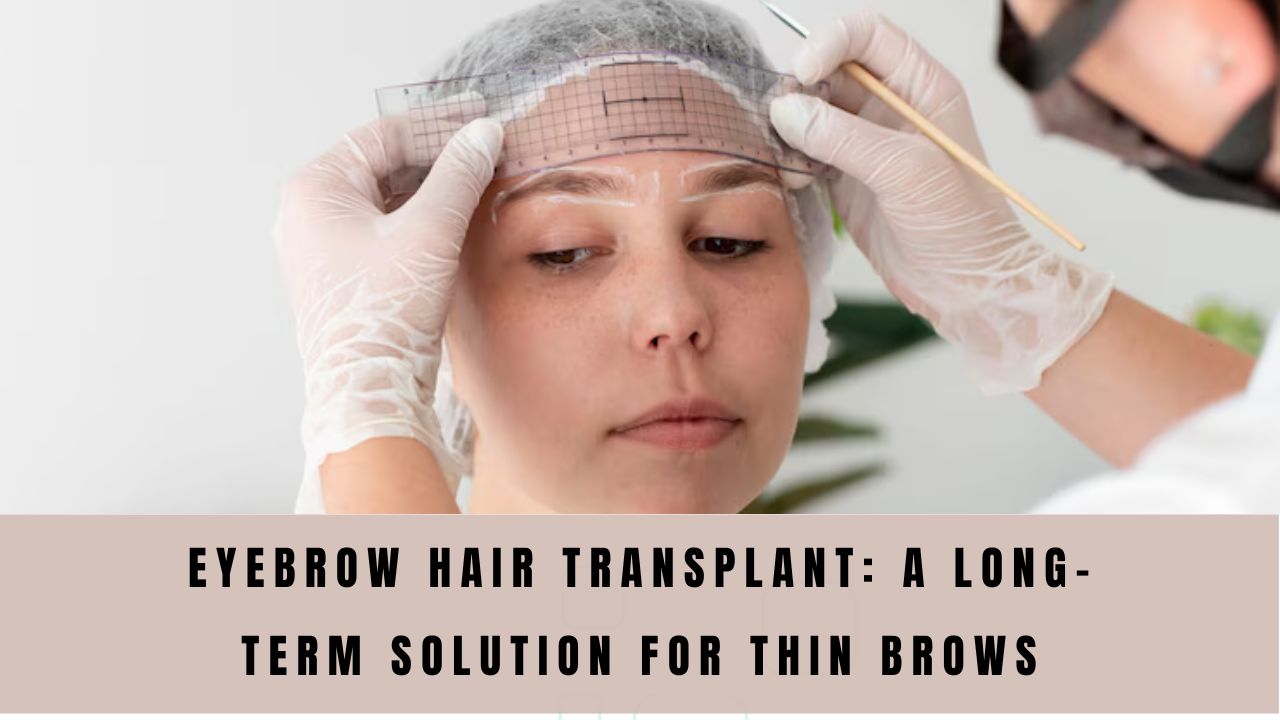
Thin or uneven eyebrows can subtly change the way a face looks and how confident a person feels. While brows may seem like a small detail, they play a big role in framing expressions and creating balance. Many people notice eyebrow thinning after years of over-plucking, stress, or natural aging, and the change often feels more emotional than expected. At first, cosmetic fixes like pencils, gels, or temporary treatments are sufficient. Over time, however, these solutions can feel repetitive and unreliable. As awareness grows about permanent options, people are becoming more curious about medical procedures that actually restore hair rather than masking the problem. Understanding how modern eyebrow hair transplant works helps individuals move beyond short-term fixes and explore long-term solutions with realistic expectations and confidence.
Why Do Eyebrows Become Thin Over Time?
Eyebrow thinning rarely happens for just one reason. Repeated plucking or waxing can permanently damage follicles, preventing regrowth. Genetics also plays a major role, as some people naturally have lighter or sparser brows. Hormonal changes, nutritional deficiencies, and stress may disrupt hair growth cycles, leading to gradual thinning.
Certain medical conditions, including thyroid disorders and autoimmune issues, can also affect eyebrow density. Skin trauma, scars, or burns may leave areas where hair simply no longer grows. Knowing the cause behind eyebrow thinning is essential because it helps determine whether a long-term medical solution is appropriate.
Temporary Fixes vs Permanent Restoration
Cosmetic solutions are often the first step for people dealing with thin brows. Makeup offers immediate improvement but requires daily effort. Microblading and tinting can enhance appearance for months, yet fading and color changes are common concerns.
For those seeking permanence, an eyebrow transplant offers a fundamentally different approach. Instead of creating an illusion, this procedure restores real hair growth. The distinction between covering the issue and correcting it is what leads many people to explore more advanced options.
Understanding the Eyebrow Transplant Procedure
An eyebrow transplant is a minimally invasive technique that transfers healthy hair follicles—usually from the back of the scalp—to the eyebrow area. These follicles are carefully chosen to ensure they closely match natural eyebrow hair.
Each hair is implanted at a precise angle and direction, simulating the natural growth pattern of the brows. This level of detail is crucial for achieving results that don’t look artificial. Because real hair is used, the results tend to be more natural and long-lasting than those of cosmetic alternatives.
What Happens During the Procedure?
Before the procedure begins, the desired eyebrow shape and density are carefully planned. During an eyebrow transplant, local anesthesia is used to keep the process comfortable. Hair follicles are extracted using refined techniques that minimize scarring.
The implantation phase requires patience and skill, as each follicle is placed individually. The entire technique typically lasts a few hours, and most people can return home the same day. While the process may sound intricate, advancements in technique have made it far more precise and predictable than in the past.
Recovery and Hair Growth Timeline
After an eyebrow transplant, mild swelling or redness may appear but usually subsides within a few days. Tiny scabs form around the transplanted hairs and fall off naturally within a week. It’s normal for the transplanted hairs to shed in the first month—this does not mean the procedure failed.
New growth typically begins after three to four months, with noticeable improvement over time. Full results are usually visible within nine to twelve months. Since scalp hair is used, regular trimming helps maintain the ideal eyebrow length and shape.
Who Can Benefit Most from This Procedure?
An eyebrow transplant is suitable for people with thinning due to over-plucking, genetics, or scarring. Those with stable health and sufficient donor hair tend to achieve the best outcomes.
However, it may not be ideal for individuals with ongoing medical conditions that affect hair growth unless those issues are managed first. A personalized consultation ensures the procedure aligns with both expectations and medical suitability.
The Importance of Choosing an Experienced Clinic
Eyebrow restoration requires a balance of medical expertise and artistic precision. Even small errors in angle or placement can affect the final appearance. Clinics that specialize in hair restoration understand these nuances and focus on natural-looking results.
One such clinic is Beverly Hills Hair Restoration in Palm Desert, where experience with advanced hair restoration techniques supports consistently refined outcomes. Choosing a knowledgeable provider significantly influences long-term satisfaction.
Conclusion
Living with thin eyebrows can affect self-image more than many people realize. While temporary fixes provide short-term confidence, they rarely offer lasting satisfaction. A well-performed eyebrow transplant stands out as a long-term solution that restores real hair and natural shape. By understanding the causes of eyebrow thinning, the procedure itself, and the recovery timeline, individuals can make informed choices without unnecessary pressure. Selecting an experienced clinic and allowing time for results to mature are key steps in the journey. Ultimately, eyebrow restoration is not about chasing trends—it’s about achieving balance, authenticity, and confidence that lasts for years to come.


