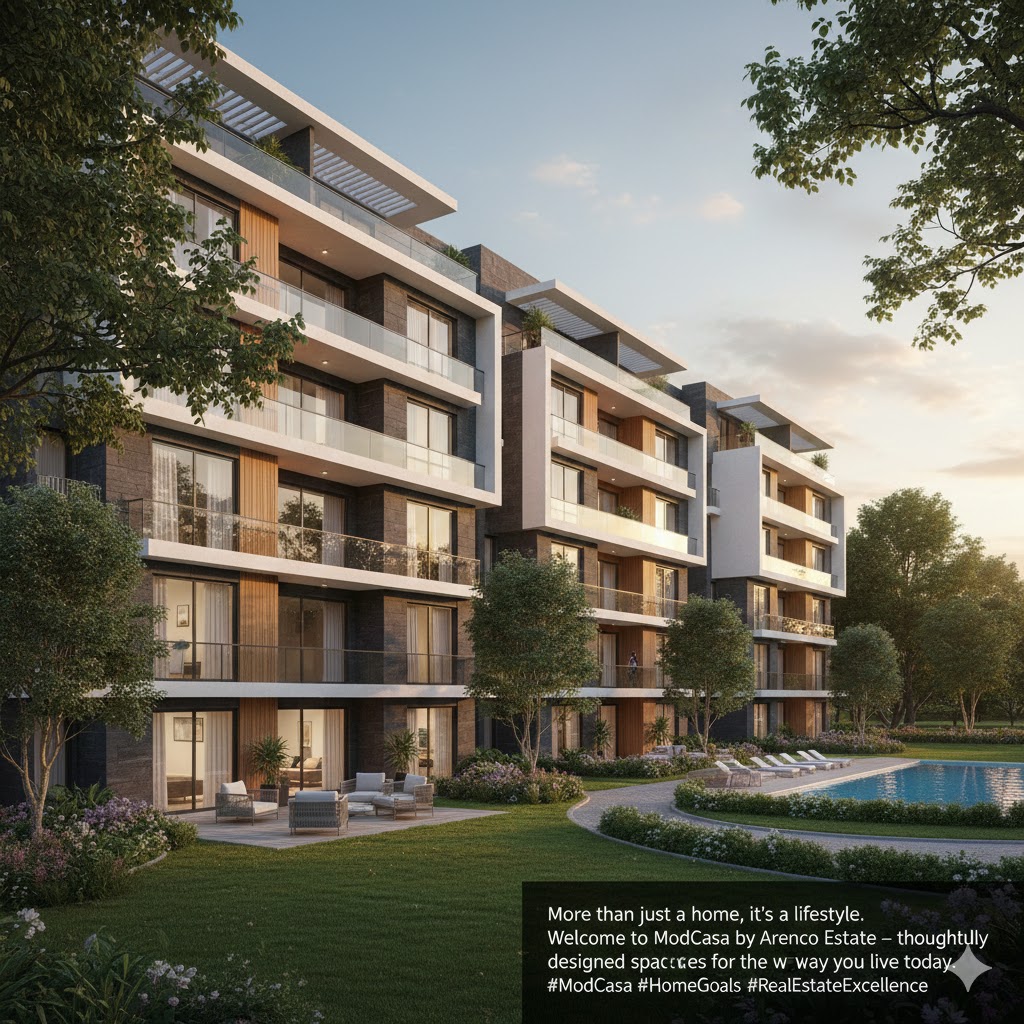
Dubai has transformed itself into one of the world’s most dynamic real estate markets, attracting investors, homebuyers, and renters from across the globe. With its tax-free environment, world-class infrastructure, and strategic location, the emirate continues to redefine luxury living and profitable investment opportunities.
Why Invest in Dubai Real Estate?
The Dubai property market offers compelling advantages that few global cities can match. Foreign investors enjoy 100% freehold ownership in designated areas, zero property taxes, and no capital gains tax. The city’s political stability, combined with its position as a global business hub connecting East and West, creates an ecosystem where real estate values have historically appreciated over time.
Dubai’s government actively supports the real estate sector through progressive policies and mega-projects that continually enhance the city’s appeal. The introduction of long-term visas for property investors and the ongoing development of world-class amenities make Dubai an attractive destination for both end-users and investors seeking rental income or capital appreciation.
Popular Areas for Property Investment
Dubai Marina remains a perennial favorite among investors and residents alike. This waterfront community offers stunning high-rise apartments with marina views, alongside a vibrant lifestyle featuring restaurants, cafes, and entertainment options. The area commands strong rental yields and attracts professionals and families seeking modern urban living.
Downtown Dubai, home to the iconic Burj Khalifa and Dubai Mall, represents the pinnacle of luxury Dubai Real Estate. Properties here offer proximity to world-class shopping, dining, and entertainment, making them highly sought after by both investors and tenants willing to pay premium rents for this prestigious address.
Palm Jumeirah, the world-famous man-made island, showcases some of Dubai’s most exclusive villas and apartments. Beachfront properties here offer unparalleled luxury and privacy, attracting high-net-worth individuals and commanding some of the highest prices per square foot in the emirate.
Arabian Ranches and Dubai Hills Estate cater to families seeking spacious villas in gated communities. These suburban developments offer parks, golf courses, schools, and retail centers, creating self-contained neighborhoods that appeal to long-term residents and generate stable rental income.
Types of Properties Available
Dubai’s real estate landscape encompasses diverse property types to suit different budgets and investment strategies. Luxury apartments in high-rise towers dominate areas like Dubai Marina and Business Bay, offering amenities such as swimming pools, gyms, and concierge services. These units typically range from studios to three-bedroom configurations.
Villas and townhouses provide more space and privacy, particularly popular in communities like Emirates Hills, Jumeirah Park, and Damac Hills. These properties appeal to families and can generate higher absolute rental returns, though they require larger initial investments.
Off-plan properties present opportunities to purchase directly from developers at pre-construction prices, often with flexible payment plans. While carrying construction risk, these investments can offer significant capital appreciation by completion, especially in high-demand areas.
Understanding Freehold vs. Leasehold
Dubai’s property ownership structure includes freehold and leasehold arrangements. Freehold areas allow expatriates to own property outright with full ownership rights, including the ability to sell, lease, or transfer the property. Key freehold zones include Dubai Marina, Downtown Dubai, Palm Jumeirah, and Jumeirah Lake Towers.
Leasehold properties, more common in older areas of Dubai, grant ownership rights for a specified period, typically 99 years. While less common for new developments, some attractive properties fall under this category, often at more accessible price points than comparable freehold options.
Understanding the ownership type is crucial before making any purchase decision, as it affects long-term value, financing options, and resale potential.
Investment Returns and Rental Yields
Dubai consistently offers competitive rental yields compared to other global cities, typically ranging from 5% to 9% annually depending on property type and location. Studios and one-bedroom apartments in popular areas like Dubai Marina and JBR often generate higher percentage yields, while luxury villas provide lower yields but potentially greater capital appreciation.
The emirate’s rental market benefits from strong demand driven by expatriates who make up over 80% of the population. Areas near business districts, metro stations, and schools command premium rents and experience lower vacancy rates.
Capital appreciation varies by location and market cycle, but strategic areas have shown impressive long-term growth. Emerging neighborhoods and areas benefiting from new infrastructure projects often present the best opportunities for value appreciation.
The Buying Process for Foreign Investors
Purchasing property in Dubai is relatively straightforward for international buyers. The process begins with obtaining a property reservation by paying a deposit, typically 10% of the purchase price. Buyers should engage a reputable real estate agent familiar with the specific area and conduct thorough due diligence on the property and developer.
Securing financing is possible for expatriates, with local banks offering mortgages up to 75% of the property value for residents and around 50-60% for non-residents. Pre-approval helps buyers understand their budget and strengthens their negotiating position.
The Dubai Land Department oversees all property transactions, ensuring transparency and legal compliance. Transfer fees amount to 4% of the property value plus a small administrative charge. Buyers should also budget for agency fees, mortgage registration fees if applicable, and initial service charges.
Legal Considerations and Documentation
Proper documentation is essential for a smooth property transaction. Key documents include the title deed (issued by the Dubai Land Department), passport copies, residence visa (if applicable), and a No Objection Certificate from the developer for resale properties.
Engaging a qualified real estate lawyer ensures that all contracts are properly reviewed, particularly for off-plan purchases where construction timelines and developer credentials require careful verification. Legal fees are relatively modest compared to the protection they provide.
Foreign buyers should understand community rules and homeowner association requirements, as these affect ongoing costs and property usage. Some communities restrict short-term rentals or have specific guidelines for property modifications.
Emerging Trends in Dubai Real Estate
Dubai’s real estate market continues to evolve with several notable trends shaping investment decisions. Sustainable and green buildings are gaining prominence, with developers incorporating energy-efficient designs and smart home technologies to attract environmentally conscious buyers.
The shift toward remote work has increased demand for properties with dedicated home office spaces and high-quality internet connectivity. Communities offering co-working spaces and lifestyle amenities that support work-from-home arrangements are experiencing strong interest.
Dubai South and areas near Expo City Dubai represent the next frontier of development, offering more affordable entry points with significant growth potential. The expansion of transportation networks, including metro extensions, continues to open up new investment corridors.
Financing Options for Property Buyers
Multiple financing routes exist for Dubai property purchases. Traditional mortgages from local and international banks remain the most common option, with competitive interest rates and repayment terms up to 25 years. Banks typically require proof of income, bank statements, and employment documentation.
Developer payment plans for off-plan properties allow buyers to spread payments over the construction period, sometimes requiring as little as 10% down payment with the balance paid in installments. This approach reduces immediate capital requirements but should be balanced against the risks of construction delays.
Cash purchases eliminate financing costs and strengthen negotiating power, often resulting in better purchase prices. Investors with available capital can leverage this advantage, particularly in situations where sellers seek quick transactions.
Tips for Successful Real Estate Investment
Successful Dubai real estate investment requires careful research and strategic planning. Location remains the most critical factor, affecting both rental income and capital appreciation potential. Properties near employment centers, schools, healthcare facilities, and entertainment options typically outperform isolated developments.
Diversification across property types and locations can reduce risk while capturing different market opportunities. Combining a luxury apartment in Downtown Dubai with a family villa in Arabian Ranches, for example, appeals to different tenant demographics and market segments.
Working with experienced professionals including real estate agents, lawyers, and property managers ensures access to market insights and protects against common pitfalls. Regular market monitoring and willingness to adjust strategy based on changing conditions separate successful investors from those who struggle.
Dubai’s real estate market offers remarkable opportunities for investors who approach it with proper knowledge and realistic expectations. Whether seeking rental income, capital appreciation, or a combination of both, the emirate’s diverse property landscape and investor-friendly environment continue to attract global capital and deliver strong returns. More info