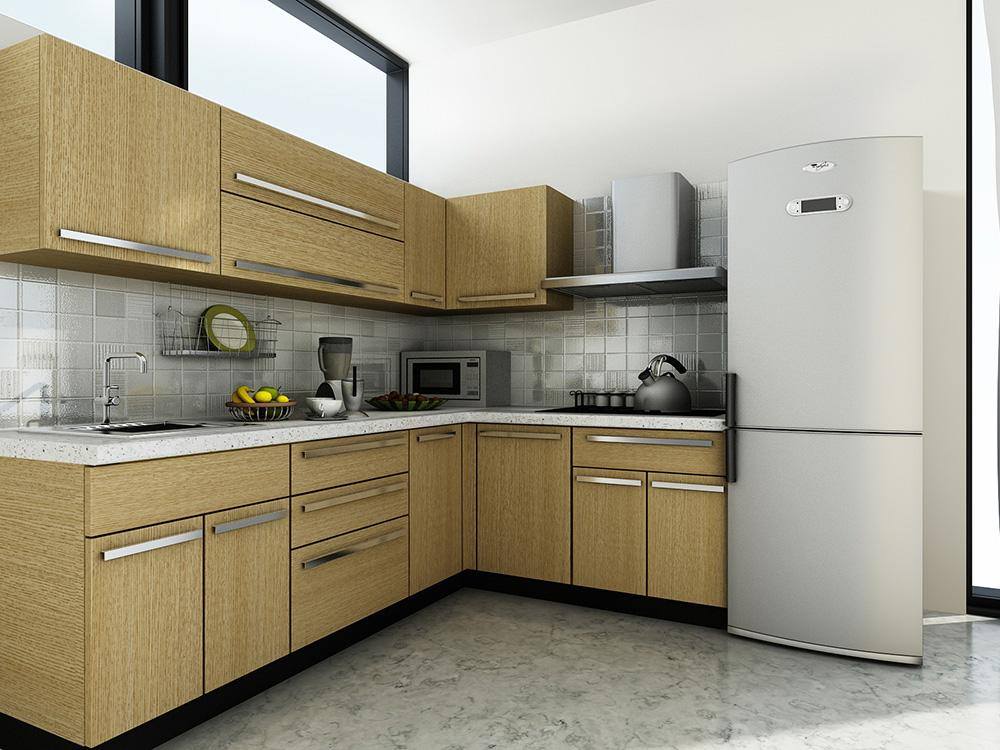
The kitchen is one of the most important areas in any home. It is where meals are prepared, families gather, and daily routines begin. Designing this space requires careful planning, technical knowledge, and creative vision. Hiring an experienced interior designer for kitchen ensures that your cooking space is not only beautiful but also practical, efficient, and long-lasting.
In today’s fast-paced lifestyle, homeowners prefer professionally designed kitchens that combine comfort, organization, and modern aesthetics.
Why You Need an Interior Designer for Your Kitchen
Designing a kitchen is more complex than selecting cabinets and colors. It involves understanding movement patterns, safety standards, storage needs, and space utilization.
A professional kitchen interior designer helps you:
-
Optimize available space
-
Improve workflow and efficiency
-
Select durable materials
-
Create attractive color combinations
-
Plan lighting and ventilation
-
Avoid costly mistakes
With expert guidance, homeowners can achieve a balanced kitchen design that supports daily living.
Understanding Your Lifestyle and Cooking Habits
Every family uses the kitchen differently. A skilled interior designer begins by understanding your lifestyle.
They consider:
-
Number of family members
-
Cooking frequency
-
Type of cuisine prepared
-
Appliance usage
-
Storage requirements
-
Budget preferences
This personalized approach ensures the kitchen suits your daily habits and long-term needs.
Kitchen Space Planning and Layout Design
Layout planning is the foundation of effective kitchen design. Designers select layouts based on space and workflow.
L-Shaped Kitchen
Ideal for small and medium kitchens, providing flexibility and easy movement.
U-Shaped Kitchen
Suitable for large spaces with maximum storage and countertop area.
Parallel Kitchen
Best for narrow kitchens, offering efficient work zones.
Straight Kitchen
Perfect for compact homes and studio apartments.
Island Kitchen
Adds luxury, extra workspace, and social interaction.
Designers apply the “work triangle” concept to maintain proper distance between the sink, stove, and refrigerator.
Selecting High-Quality Materials
Material selection determines the durability and appearance of your kitchen.
Interior designers recommend moisture-resistant and long-lasting materials such as:
-
Marine plywood
-
Moisture-resistant MDF
-
Laminates and acrylic finishes
-
Quartz and granite countertops
-
Stainless steel hardware
These materials perform well in humid environments and ensure long-term value.
Cabinet Design and Storage Optimization
Cabinets are the backbone of kitchen interiors. Designers create customized storage systems for better organization.
Smart Storage Features
-
Pull-out pantry units
-
Corner carousels
-
Cutlery organizers
-
Bottle pull-outs
-
Drawer dividers
-
Tall storage units
Well-planned storage reduces clutter and improves accessibility.
Lighting Design for Kitchen Interiors
Proper lighting enhances safety and comfort.
Types of Kitchen Lighting
-
Task lighting: Under-cabinet lights for work areas
-
Ambient lighting: Ceiling lights for overall brightness
-
Accent lighting: Decorative LED strips
Designers balance natural and artificial lighting for optimal results.
Ventilation and Airflow Management
Good ventilation is essential for a healthy kitchen environment.
Key elements include:
-
Chimneys
-
Exhaust fans
-
Windows
-
Air vents
Interior designers plan ventilation systems to remove smoke, grease, and odors effectively.
Color Coordination and Aesthetic Planning
Color selection influences mood and space perception.
Designers recommend:
-
Light shades for small kitchens
-
Neutral tones for timeless appeal
-
Wood textures for warmth
-
Two-tone combinations for modern looks
They also coordinate cabinets, countertops, backsplashes, and walls for visual harmony.
Appliance Integration and Smart Technology
Modern kitchen designers integrate appliances seamlessly.
Common integrations include:
-
Built-in ovens
-
Microwaves
-
Dishwashers
-
Refrigerators
-
Hob and chimney systems
Smart technology such as sensor taps and modular charging points adds convenience.
3D Visualization and Design Presentation
Professional designers provide 3D designs before execution.
Benefits of 3D visualization:
-
Clear understanding of final outcome
-
Easy modifications
-
Better decision-making
-
Reduced errors
-
Improved client satisfaction
This step ensures transparency and confidence.
Budget Planning and Cost Management
An interior designer helps balance quality and budget.
They assist with:
-
Material selection within budget
-
Cost estimation
-
Vendor coordination
-
Avoiding unnecessary expenses
With professional guidance, homeowners can achieve premium results at reasonable costs.
Installation and Project Management
Designers oversee the entire execution process.
Their responsibilities include:
-
Site supervision
-
Quality checks
-
Timeline management
-
Coordination with contractors
-
Final inspections
This ensures smooth project completion without delays.
Maintenance Guidance and After-Sales Support
After installation, designers provide maintenance tips and warranty support.
Maintenance advice includes:
-
Proper cleaning methods
-
Hardware checks
-
Appliance servicing
-
Surface care guidelines
Ongoing support adds long-term value to the investment.
Benefits of Hiring a Professional Interior Designer for Kitchen
Working with an experienced designer offers many advantages:
-
Personalized solutions
-
Efficient space utilization
-
Professional craftsmanship
-
Long-lasting materials
-
Enhanced resale value
-
Stress-free execution
A well-designed kitchen improves daily life and overall home comfort.
Adding Personal Touches
Personalization makes kitchen decorating more meaningful.
Ideas include:
-
Open shelves with decorative jars
-
Indoor plants
-
Artwork or wall quotes
-
Customized handles
-
Stylish containers
These details make the kitchen warm and welcoming.
Budget-Friendly Kitchen Decorating Tips
Decorating your kitchen does not have to be expensive.
Cost-effective ideas:
-
Use laminate finishes
-
Upgrade handles and fixtures
-
Add LED lighting
-
Paint existing cabinets
-
Reuse appliances
Smart planning can achieve stylish results within budget.
Role of Professional Kitchen Decorators
Professional designers ensure better outcomes.
They provide:
-
Space planning
-
Material guidance
-
3D design visualization
-
Installation supervision
-
Warranty support
Their expertise saves time and prevents costly mistakes.
Maintenance for Long-Lasting Beauty
Regular care keeps your kitchen attractive.
Maintenance tips:
-
Wipe surfaces daily
-
Clean chimneys regularly
-
Avoid water stagnation
-
Check hardware fittings
-
Use mild cleaners
Proper maintenance extends the life of your kitchen décor.
Conclusion
Hiring an interior designer for kitchen is a smart investment for homeowners who want a perfect balance of beauty, functionality, and durability. From layout planning and material selection to installation and maintenance, designers manage every aspect with expertise.
With professional support, you can transform your kitchen into a space that inspires creativity, supports comfort, and reflects your personal style.
Visit: Modern Kitchen Interiors: Sleek Designs for the Heart of Your Home