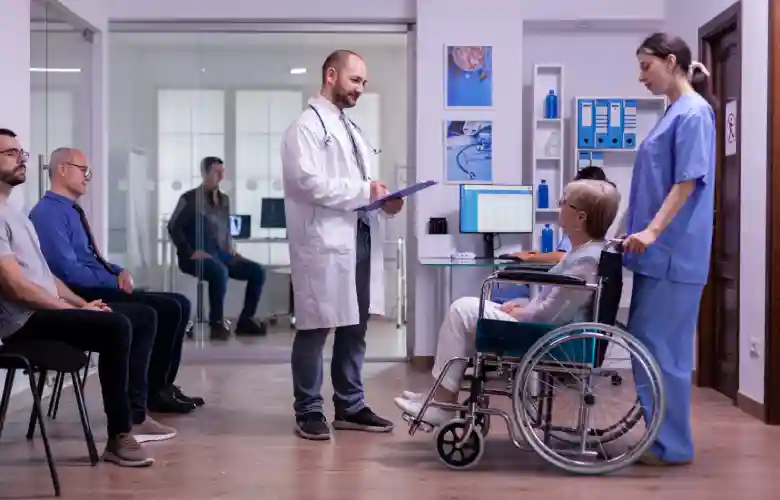
The healthcare landscape has evolved far beyond diagnosing symptoms and prescribing treatments. Today, we recognize that wellness begins long before a patient enters the clinic. Social, economic, and environmental factors shape every person’s ability to live healthily. These influences — collectively known as SDOH (Social Determinants of Health) — determine whether individuals have access to nutritious food, safe housing, stable income, reliable transportation, and supportive communities.
When healthcare systems focus solely on medical care, they often overlook the root causes of illness. A patient with diabetes might have the perfect treatment plan, but without access to healthy food or refrigeration for insulin, their health inevitably declines. That’s where SDOH programs bridge the gap — connecting clinical care with community action to address what truly matters to people’s well-being.
Understanding the Foundations of SDOH
The Social Determinants of Health encompass the conditions where people live, learn, work, and socialize. These factors directly influence physical health, mental stability, and life expectancy. According to the World Health Organization, up to 50% of health outcomes are influenced by SDOH rather than medical care itself.
Common categories of SDOH include:
- Economic Stability – Access to jobs, income, and financial resources.
- Neighborhood and Physical Environment – Safe housing, clean air, and transportation access.
- Education – Literacy, language proficiency, and lifelong learning.
- Food Security – Availability and affordability of nutritious meals.
- Social and Community Context – Relationships, discrimination, and social support networks.
- Healthcare Access and Quality – Insurance coverage, healthcare literacy, and care coordination.
For care teams, understanding these categories means seeing the full picture of a patient’s life. Instead of viewing missed appointments as “noncompliance,” providers can recognize deeper causes — lack of transportation, child care challenges, or job insecurity.
Why SDOH Programs Are Transformative for Clinics
Modern healthcare organizations are increasingly adopting SDOH programs to tackle these non-medical barriers head-on. These programs establish structured workflows that identify social needs early, match patients with the right community resources, and track outcomes efficiently.
- Early Identification of Barriers:
Structured screening tools help uncover challenges such as food insecurity, housing instability, or financial stress. When integrated into the Electronic Health Record (EHR), these screenings ensure that every patient’s needs are visible to their care team. - Streamlined Referrals:
Instead of endless phone calls to local partners, clinics can use automated systems to connect patients with food banks, housing agencies, or transportation services in real time. This not only saves staff hours but also prevents care gaps. - Closed-Loop Tracking:
Once a referral is made, effective SDOH platforms track whether patients actually received help. By “closing the loop,” clinics can verify outcomes, report data accurately, and continuously refine their strategies. - Real Impact on Health Outcomes:
Studies show that addressing SDOH factors reduces hospital readmissions, improves medication adherence, and enhances patient satisfaction. Patients who receive food support or housing stability interventions often see measurable improvements in chronic conditions like diabetes and hypertension.
Key Steps to Implementing Successful SDOH Workflows
Step 1: Screen for Social Needs Early
Simple, patient-friendly questions during intake or telehealth visits can uncover critical needs. Example: “Do you have reliable transportation to your appointments?” or “Do you ever run out of food before the end of the month?”
Step 2: Stratify Patients by Risk Level
Not all social risks are urgent. A patient facing homelessness needs immediate intervention, while another struggling with occasional transportation issues may require routine assistance. Sorting by urgency ensures timely, efficient care.
Step 3: Automate Referrals and Follow-Ups
By integrating referral management systems, clinics can send and track community resource referrals automatically. If a partner organization reaches capacity, the system can redirect the referral elsewhere — avoiding dead ends.
Step 4: Measure Outcomes and Report Progress
Data-driven evaluation helps clinics identify which interventions truly improve outcomes. Documenting every step supports compliance with UDS/HEDIS reporting and strengthens value-based care performance.
Real-World Impact: Stories from the Field
- Food Security Success: A clinic integrated local food pantry referrals into their EHR system. Within six months, 40% of patients with diabetes reported improved meal consistency, and A1C levels decreased significantly.
- Transportation Transformation: Partnering with local ride services reduced missed appointments by 35%, helping pregnant patients maintain consistent prenatal care.
- Housing Stability Gains: A collaboration with a housing authority placed several chronically ill patients into stable homes, reducing ER visits by nearly half.
These outcomes show that when clinics embed SDOH into care delivery, both patients and providers benefit.
Overcoming Common Challenges
While SDOH programs are powerful, implementing them isn’t always seamless. Common barriers include:
| Challenge | Impact | Solution |
| Disconnected data systems | Incomplete SDOH data leads to poor reporting | Use integrated, HIPAA-compliant EHR systems |
| Overwhelmed community partners | Delays in referrals and patient frustration | Automate routing and real-time capacity tracking |
| Manual workflows | Staff burnout and slow response times | Adopt digital referral platforms |
| Inconsistent follow-up | Lost opportunities for care continuity | Establish “closed-loop” tracking for every referral |
These challenges underscore the importance of technology and coordination. When clinics collaborate effectively with local organizations — and leverage modern digital tools — they can transform how social care integrates with clinical care.
The Technology Backbone of Effective SDOH
Platforms like SocialRoots.ai’s Pillar Healthcare Suite exemplify how digital innovation supports SDOH implementation. Through secure data handling, automated workflows, and real-time reporting, these systems help healthcare organizations:
- Reduce manual administrative work
- Gain visibility into referral outcomes
- Enhance patient engagement
- Meet value-based care objectives
Moreover, by standardizing workflows, they make SDOH adoption easier for every staff member — from front desk to case managers.
Why Addressing SDOH Is a Long-Term Investment
Healthcare is increasingly measured not just by clinical outcomes but by how effectively it addresses patients’ overall well-being. Investing in SDOH strategies is both a moral and financial imperative. When clinics reduce social barriers, they decrease costly emergency visits, improve quality metrics, and strengthen patient trust.
The return on investment is undeniable: healthier patients, happier staff, and more resilient communities.
Looking Ahead: The Future of Holistic Healthcare
As value-based care models expand, the integration of SDOH will continue to define successful healthcare systems. We’re moving toward an era where addressing social needs isn’t “extra work” — it’s central to patient care.
Emerging trends include:
- Predictive analytics to identify at-risk patients before crises occur.
- Community data sharing networks to enhance collaboration between health and social sectors.
- AI-driven insights to personalize SDOH interventions based on real-time data.
By embracing these innovations, healthcare can finally align with its true purpose — healing people, not just treating diseases.
Conclusion: Building Healthier Communities Through Collaboration
True healthcare transformation begins when clinics, communities, and technology work together. Addressing social needs isn’t a side project; it’s the foundation for sustainable wellness. When providers implement SDOH Programs and Interventions effectively, they don’t just improve metrics — they change lives.
In the end, every filled pantry, secured home, and reliable ride contributes to a future where healthcare is equitable, accessible, and deeply human.

