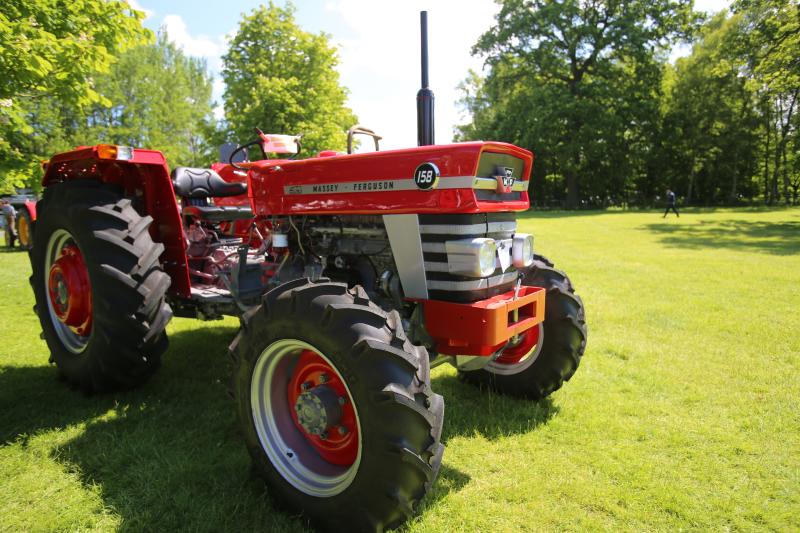
I’ve spent enough time bouncing between old machines and shiny new ones to know this debate never really ends. Some farmers swear by their purana tractor, dents and all. Others won’t touch anything without a warranty card and factory smell. Both sides have reasons. Real ones. Below are ten differences that actually matter when you’re standing in the yard, keys in hand, trying to decide.
Purchase Price and First Shock to the Wallet
The biggest difference hits before the engine even starts. A purana tractor costs less. Sometimes a lot less. I’ve seen old models go for a price that wouldn’t even cover the down payment on a new tractor. That matters if cash flow is tight or the tractor won’t be used daily.
A new tractor, on the other hand, asks for commitment. EMI, paperwork, insurance. It’s not just buying a machine. It’s entering a relationship with the bank. For large farms, that’s fine. For small or seasonal work, the price gap alone can decide everything.
Engine Feel and Power Delivery
Old tractors have a certain personality. The engine note is rougher. Throttle response is slower. You feel every vibration through the seat. Some people hate that. I don’t. It tells you what the machine is doing.
New tractors are smoother. Power comes clean and controlled. Better tuning, better balance. You can work longer without feeling beaten up. That difference shows up during long ploughing days when fatigue sneaks in quietly and stays.
Fuel Efficiency in Daily Work
This one surprises people. A purana tractor can drink fuel like a thirsty bull if maintenance is sloppy. Worn injectors, tired pumps. Still, a well-kept old tractor can be decent on diesel, especially at steady RPM.
New tractors are designed to sip, not gulp. Better combustion. Smarter engines. Over a season, the fuel savings add up. If diesel prices sting where you live, this difference isn’t small. It’s felt every refill.
Maintenance Style and Repair Reality
Old tractors are honest machines. When something breaks, you usually see it coming. Parts are simple. Local mechanics know them by heart. I’ve fixed things under a tree with basic tools and a bit of patience.
New tractors don’t play that way. They need authorized service. Sensors, ECUs, specialized diagnostics. Repairs are cleaner but less forgiving. Miss a service interval and the bill reminds you. Maintenance shifts from hands-on to hands-off.
Availability and Cost of Spare Parts
With a purana tractor, spare parts are everywhere. Used parts, aftermarket options, even scrap-yard finds. Prices stay reasonable. You’re rarely stuck waiting weeks.
New tractor parts are reliable but not always quick. Some components need ordering. Costs are higher. You’re paying for precision. That’s fine until the tractor is idle during peak season and you’re watching the days slip by.
Comfort During Long Hours
Let’s be honest. Old tractors weren’t built with comfort in mind. Seats are stiff. Noise creeps into your bones. After a full day, you feel it in your back and wrists.
New tractors care about the operator. Better seats. Less noise. Cleaner cabins. Some even have AC. That comfort isn’t luxury. It’s productivity. You stay fresher. Work stays cleaner.
Technology and Features on Board
A purana tractor gives you basics. Levers, pedals, gauges. Nothing fancy. Less to distract you. Less to fail.
New tractors bring technology along. Digital displays. PTO controls. Sometimes GPS-ready systems. For precision farming, that’s gold. For simple field work, it can feel unnecessary. Technology helps, but only if you use it.
Reliability Over the Years
An old tractor that’s survived decades has proven something. It can handle abuse. Still, age catches up. Seals harden. Metal fatigues. Breakdowns become part of the routine.
New tractors are reliable out of the gate. Fewer surprises. But when they fail, they fail big. Electronics don’t warn you the same way mechanical parts do. Reliability shifts from predictable wear to sudden stops.
Resale Value and Market Demand
Purana tractors hold value better than people expect. Especially popular models. There’s always someone looking for a solid used tractor. Depreciation slows after a point.
New tractors lose value quickly in the first few years. That’s the price of newness. After that, resale stabilizes. If you plan to upgrade often, this difference matters more than brochures admit.
Warranty, Emissions, and Legal Peace
Old tractors don’t come with warranties. What you buy is what you get. Emissions rules are usually looser for older machines, depending on region. That can be a blessing or a headache.
New tractors offer warranties and cleaner emissions. Less smoke. Fewer legal worries. If regulations tighten, new machines stay compliant longer. That peace of mind counts, especially near urban or regulated areas.
Choosing between a purana tractor and a new tractor isn’t about right or wrong. It’s about fit. Old machines bring simplicity, character, and lower costs. New ones offer comfort, efficiency, and predictability. I’ve worked with both. Each earned its place in the field. The best choice is the one that matches your work, your budget, and how much grease you’re willing to get on your hands.