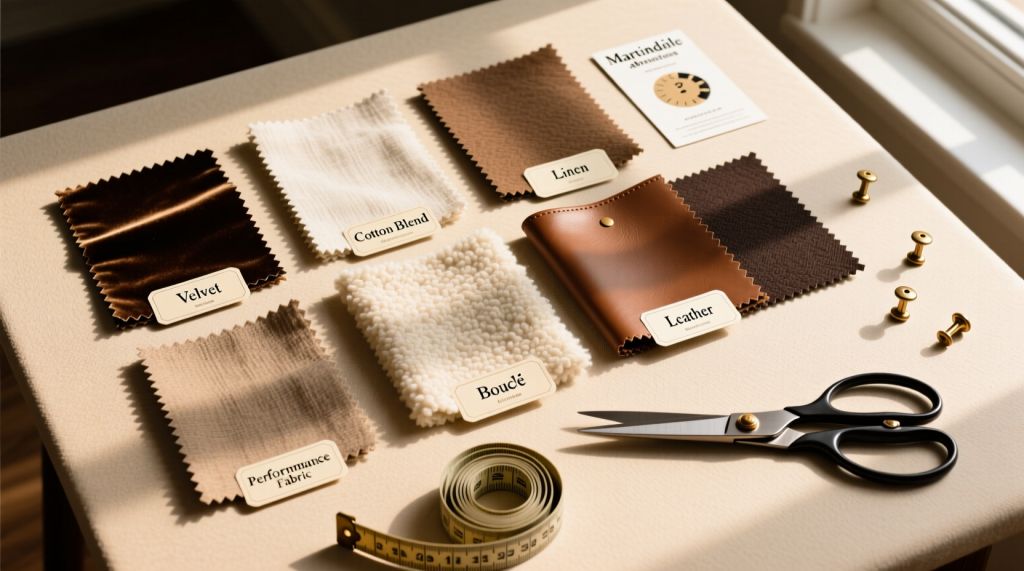
A headboard is a crucial element in your bedroom, serving both aesthetic and functional purposes. It completes the look of your bed and provides a surface to lean on, rest against, and even accommodate pets and children. Choosing the right fabric for your headboard involves finding the perfect balance between comfort and durability. This guide will help you navigate through the various fabric options, their benefits, and practical tips to ensure your headboard meets your needs.
Essential Factors to Consider
When selecting fabric for your headboard, it’s important to consider several key factors. The fabric should feel comfortable against the skin, resist stains, and be easy to clean. It should also withstand occasional abrasion without sagging or pilling too quickly. Additionally, the fabric should complement the overall design of your room.
The construction of the headboard is equally important. The right foam density, backing fabric, and secure attachment can make a significant difference in the longevity of your headboard. If you’re not confident in your DIY skills, consider professional headboard upholstery services. These services handle the tricky sewing, padding, and finishing, ensuring your headboard lasts longer.
Velvet: Luxurious and Cozy
Velvet is a fabric that exudes richness and softness, adding depth to colors and creating an intimate, layered feel in any bedroom. The pile of velvet gives it a luxurious texture that photographs beautifully.
In terms of durability, velvet can hold up well if it’s a heavy-weight, tightly woven pile. However, it can show crush marks and directional sheen. High-contact edges may wear over time. For care, vacuum regularly and spot-clean gently. Steam can help revive crushed pile, and some modern velvets come with stain-resistant blends. Velvet is best suited for adult bedrooms and low-traffic master suites where tactile luxury is valued and a bit more maintenance is acceptable.
Linen: Breathable and Casual
Linen is a natural fabric that feels breathable and has a relaxed texture. It works well with modern and rustic styles, giving a lived-in, casual look. Linen is strong but prone to creasing and abrasion marks where people lean. It may pill less than cheap synthetics, but thin weaves will show wear faster.
For care, blot spills immediately and use gentle cleaners. Removable covers are helpful, and for heavy use, consider a linen blend with synthetic fibers for added resilience. Linen is ideal for light-use bedrooms and homes in warm climates where a casual aesthetic is preferred.
Cotton and Cotton Blends: Versatile and Familiar
Cotton is a soft, easy-to-source fabric available in various weaves and prints. Blends with other materials add strength and stain resistance. Pure cotton may wear faster than synthetics, but cotton-polyester blends offer a good balance between natural feel and abrasion resistance.
Cotton covers can often be spot-cleaned or removed for professional laundering. Check colorfastness if the headboard will be exposed to sunlight. Cotton and cotton blends are suitable for all-purpose headboards, patterned designs, and budgets that prioritize value and comfort.
Wool and Wool Blends: Warm and Resilient
Wool is known for its texture, warmth, and natural resistance to dirt and odor. It has a cozy, tailored look that adds sophistication to any bedroom. Wool is resilient and holds its shape well, though low-quality versions may pill and require careful cleaning.
For care, vacuum and brush gently. Professional cleaning is recommended for deep stains. Blends often reduce cost and improve cleanability. Wool and wool blends are perfect for cooler climates and tailored bedrooms where a warm, natural fiber is desired.
Bouclé and Chenille: Textured Choices
Bouclé and chenille fabrics add significant tactile interest to a headboard. They provide a substantial feel without relying on loud colors. Textured weaves can hide minor wear and stains effectively, but they can snag on pets’ claws and may pill if the quality is low.
Regular gentle vacuuming and prompt spot-cleaning are essential for maintenance. Opt for higher-density weaves for longevity. These fabrics are ideal for statement headboards and rooms where texture is a design priority.
Leather and Faux Leather: Sleek and Easy to Clean
Leather and faux leather offer a sleek, modern look that is easy to maintain. Leather looks refined and wipes clean easily, making it a practical choice for households. It develops a unique character over time but can scratch and darken in sunlight. Faux leather is a more affordable and easier-to-maintain alternative, though low-quality vinyl can crack over time.
For care, wipe spills quickly. Condition real leather occasionally, and use non-abrasive cleaners for faux leather while avoiding heat. Leather and faux leather are best for practical households seeking a clean, contemporary look with minimal maintenance.
Performance Fabrics: Engineered for Durability
Performance fabrics, such as high-quality polyester and solution-dyed acrylic blends, are designed to resist stains, fade slowly, and clean easily. They are popular in family homes and rental properties due to their durability and low maintenance.
These fabrics often have excellent abrasion ratings and colorfastness. While they may feel more synthetic, many newer options mimic natural textures well. Spot-clean or follow the manufacturer’s cleaning code for maintenance. Performance fabrics are ideal for homes with kids or pets and heavy-use bedrooms.
Key Technical Points to Check
When evaluating fabric samples, consider the following:
-
Abrasion rating (Martindale or Wyzenbeek): Higher numbers indicate better wear.
-
Colorfastness to light: Prevents fading in areas exposed to sunlight.
-
Pilling tendency: Important for soft weaves.
-
Cleanability code: Determines whether the fabric is water-safe, solvent-only, or fully removable.
A reputable headboard upholstery services provider can explain these specifications and recommend options based on your bed’s usage.
Practical Tips and Final Recommendations
-
For everyday family use, choose a mid-tone performance fabric or a tight weave blend.
-
For a luxurious master bedroom, opt for dense velvet or leather with proper care.
-
If pets are a factor, avoid loose loops and consider leather or durable synthetics.
-
Use removable covers whenever possible for easier cleaning.
-
Test large swatches at home under your room’s lighting before making a decision.
-
Consult headboard upholstery services if you’re unsure about construction or finishing. They can match fabric to padding, backing, and mounting for a lasting result.
Conclusion
There is no one-size-fits-all answer to the best fabric for headboards. The right choice depends on your desired balance between comfort, durability, and aesthetic appeal. Consider how you use the bed, who uses it, and how much maintenance you’re willing to do. With the right fabric and solid construction, ideally executed or checked by professional headboard upholstery services, your headboard can be both beautiful and trouble-free for years to come.