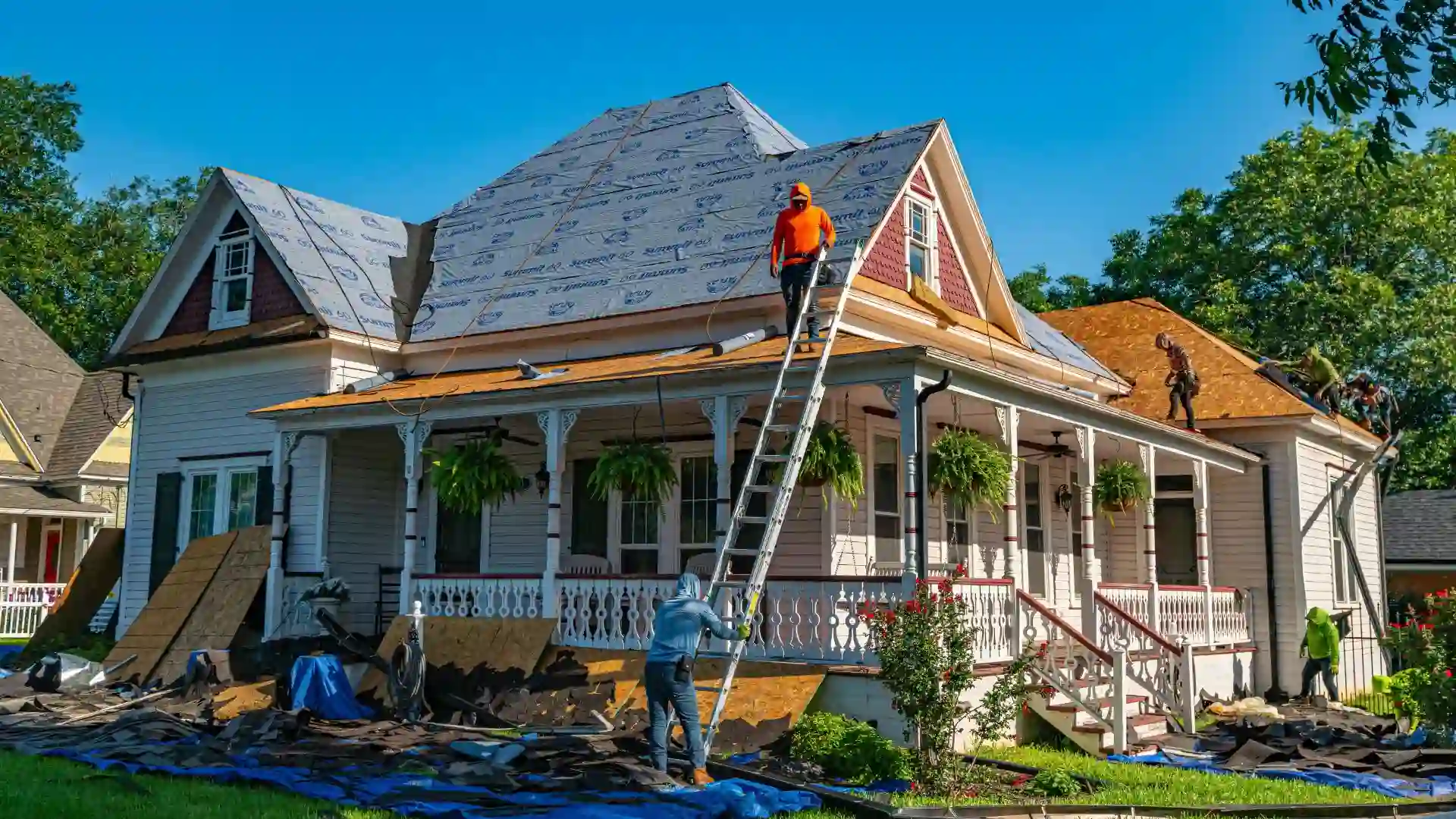
Historic homes are more than buildings—they are tangible pieces of history. Each architectural detail, from intricate moldings to sweeping rooflines, tells a story about the era, craftsmanship, and design philosophy behind its construction. Among all features, the roof is both functional and defining. It protects the home from the elements, shapes its silhouette, and often showcases materials and techniques rarely seen today. Repairing or replacing a historic roof is far more than routine maintenance—it is a delicate balance between preserving history and meeting modern performance and safety standards.
Unlike modern homes, historic properties were not designed for current building codes, extreme weather, or energy efficiency standards. Successfully roofing a historic home means respecting its original design while thoughtfully integrating upgrades that enhance durability, performance, and safety, all without compromising its architectural character.
Why Historic Roofs Require Specialized Care
Historic roofs were constructed using the materials, methods, and expertise of their time. Ventilation was often minimal, moisture protection basic, and structural design relied on craftsmanship rather than engineering standards. Over time, many roofs have been patched or modified with incompatible materials, adding complexity to modern replacements.
Installing contemporary roofing materials without evaluating the existing structure can trap moisture, restrict airflow, or stress the framework. Effective historic roofing begins with understanding how the original roof functioned, then determining where modern improvements can enhance durability without altering its character. Preservation is not simply about aesthetics—it’s about ensuring the roof functions efficiently for decades to come.
Selecting Materials That Preserve Character
Material choice is one of the most visible and sensitive aspects of historic roofing. Traditional materials like slate, clay tile, wood shakes, and early metal panels were often handcrafted, creating subtle variations that give historic roofs their unique charm. Exact replacements can be rare, expensive, or impractical for structural reasons.
Modern engineered and composite materials offer a practical solution. They replicate traditional textures, colors, and profiles while delivering superior durability, fire resistance, and weather protection. Many are also lighter than original materials, reducing stress on older framing systems. Preservation-focused roofing emphasizes visual continuity over strict replication, allowing the roof to maintain its historic character while performing at modern standards. For example, synthetic slate perfectly mimics natural slate but is lighter, easier to install, and resistant to cracking, preserving both aesthetic and structural integrity.
Structural Considerations
Beneath every historic roof lies a framework that was not built for today’s heavier loads. Snow accumulation, wind uplift, additional insulation, and modern roofing materials can place stress on rafters, joists, and decking. A thorough structural assessment is critical before any replacement or upgrade.
Reinforcements, when needed, must be carefully integrated to maintain roof pitch, overhangs, and architectural proportions. Properly executed upgrades remain mostly invisible while improving safety and longevity. Ignoring structural limitations can lead to sagging, cracking, and premature material failure, which is far more costly to address later. Hidden bracing, reinforced rafters, or subtle modern support systems allow the roof to perform reliably while preserving historic charm.
Balancing Preservation With Modern Building Codes
Historic roofing projects often exist at the intersection of preservation regulations and contemporary building codes. Preservation authorities emphasize original materials, proportions, and visual authenticity, while modern codes focus on fire safety, wind resistance, structural integrity, and energy efficiency.
These objectives can coexist. Fire-rated assemblies, advanced underlayments, and concealed ventilation systems can all be installed beneath historically appropriate roofing materials. Early collaboration with preservation boards and building officials ensures compliance while preserving the home’s exterior character. Proper planning prevents costly redesigns, delays, and conflicts between preservation and safety requirements.
Energy Efficiency Without Compromising Appearance
Energy efficiency is a key consideration for historic homeowners. Older roofs often lack adequate insulation and ventilation, leading to heat loss, moisture buildup, and higher energy bills. Modern interventions can improve efficiency without altering the home’s exterior appearance.
High-performance underlayments manage moisture, hidden ventilation systems regulate airflow, and upgraded insulation improves year-round comfort. These improvements also extend the life of roofing materials by reducing thermal stress and condensation-related damage. Thoughtful energy upgrades demonstrate that preserving history does not mean sacrificing modern comfort or performance.
Budgeting for Long-Term Value
Historic roofing projects often require a higher upfront investment than standard replacements. Specialized materials, skilled labor, structural assessments, and regulatory compliance all contribute to costs. Focusing only on short-term savings can result in repeated repairs, water intrusion, and permanent damage to historic features.
A well-executed historic roof reduces long-term maintenance, protects the structure, and preserves property value. Homeowners can consult resources such as the Bongomagazine roofing guide (http://bongomagazine.com/) for practical advice on balancing preservation, performance, and budget. Investing in quality materials and experienced professionals ensures longevity while safeguarding historical integrity.
The Role of Experienced Professionals
Historic roofing is a specialized field. Contractors must understand traditional materials, modern building science, and preservation standards while managing inspections and approvals. Experienced teams approach each project with precision, patience, and attention to detail, ensuring that every decision supports both durability and authenticity.
Selecting the right contractor is critical. Inexperienced teams may damage delicate historic materials or fail to meet preservation requirements, leading to costly repairs and loss of historic value. Skilled professionals treat each home with care, ensuring the roof preserves architectural legacy while performing reliably in today’s conditions.
Roofing as an Act of Stewardship
Replacing or restoring a historic roof is more than a renovation—it is an act of stewardship. Historic homes are irreplaceable, and every roofing decision influences how they age, perform, and are appreciated by future generations.
By thoughtfully combining modern engineering solutions with historic design principles, homeowners can protect their investment while honoring the past. The result is a roof that looks authentic, performs reliably, and withstands environmental challenges. When preservation and performance are carefully aligned, historic roofing becomes more than maintenance—it becomes a legacy that safeguards the home’s story for generations.


