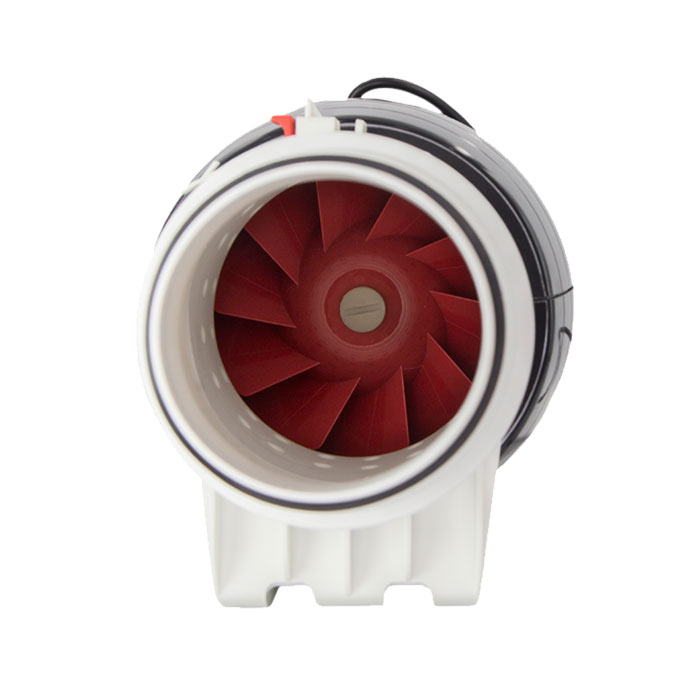
Indoor air quality plays a major role in creating a comfortable, healthy living or working environment. Whether it is a home kitchen, a commercial space, or a multi-unit building, proper ventilation ensures that stale air, humidity, smoke, and odors are efficiently removed. Among various ventilation solutions, inline fans have become increasingly popular due to their efficiency, versatility, and discreet installation. If you are exploring ways to enhance air movement without bulky equipment on walls or ceilings, an inline fan could be the smartest upgrade.
This comprehensive guide explains what an inline fan is, how it works, its benefits, applications, installation considerations, and tips to help you choose the right one.
What is an Inline Fan?
An inline fan is a ventilation fan installed within the duct system instead of being mounted on walls or windows. Unlike traditional exhaust fans fixed directly at the point of extraction, inline fans sit inside the duct, often in attics, crawl spaces, or ceilings. They pull polluted or humid air from a room and push it out through ducts to the outdoors, improving air circulation in enclosed spaces.
Inline fans are known for:
- High airflow capacity
- Low operational noise
- Flexibility for multi-room ventilation
- Strong performance in long duct runs
Because they are hidden from view, they allow for cleaner interiors and a quieter environment.
How Does an Inline Fan Work?
An inline fan operates as part of a connected ventilation system. Here is a simple breakdown:
- Air Intake
- The fan pulls stale or humid air from a designated source area, such as a kitchen, bathroom, laundry room, or grow space.
- Air Movement Through Ducts
- It pushes the extracted air through duct pipes, even over long distances or through bends.
- Air Exhaust
- The air is expelled safely outdoors, maintaining a fresh indoor environment.
Depending on your ventilation needs, inline fans can work as:
- Exhaust systems – removing unwanted air
- Supply systems – bringing in fresh outdoor air
- Air circulation boosters – improving ventilation efficiency in large or complex duct layouts
Why Choose an Inline Fan? Key Benefits
1. Powerful and Efficient Airflow
Inline fans are designed to generate strong airflow, making them ideal for demanding ventilation tasks such as high-moisture kitchens, steamy bathrooms, and multi-vent rooms.
2. Low Noise Design
Since the motor sits away from living spaces inside ducts, inline fans operate much more quietly than wall-mounted exhaust fans.
3. Ideal for Long Duct Runs
Traditional fans lose efficiency when ducts are long or include multiple bends. Inline fans maintain performance in such conditions, ensuring proper ventilation everywhere.
4. Supports Multi-Point Ventilation
One fan can extract air from multiple rooms using branch ducts, reducing the need for several separate fans.
5. Space-Saving and Hidden Installation
All components are concealed inside ceilings or attics, keeping interiors cleaner and more aesthetically pleasing.
6. Compatible with Filters and Accessories
You can integrate carbon filters, silencers, and duct insulation, depending on the specialized airflow or purification needs.
Common Applications of Inline Fans
Inline fans are widely used in both residential and commercial environments. Some popular applications include:
- Kitchens: Removes smoke, heat, and cooking odors
- Bathrooms and Toilets: Controls moisture and prevents mold growth
- Laundry Areas: Prevents humidity buildup
- Server Rooms: Maintains temperature control for electronic equipment
- Grow Rooms and Hydroponics: Ensures fresh air and temperature regulation
- Multi-Unit Buildings: Centralized ventilation for multiple spaces using one system
Their powerful but quiet performance makes them suitable wherever air quality needs consistent improvement.
Types of Inline Fans
Several inline fan models are available, each designed for different pressure, airflow, and noise requirements:
TypeBest UseKey Advantage
Mixed-Flow Inline Fan Homes, offices Quiet and efficient
Centrifugal Inline Fan Long duct runs, commercial spaces High pressure handling
Axial Inline Fan Short ducts Highest airflow at low pressure
Selecting the right type ensures long-term reliability and stable ventilation performance.
Installation Considerations for Inline Fans
Although installation is straightforward for professionals, thoughtful planning ensures optimal results. Here is what to keep in mind:
Correct Duct Size
Fan capacity should match duct diameter to prevent noise and airflow loss.
Strategic Placement
Installing closer to the extraction point provides stronger performance.
Noise Reduction Accessories
Use acoustically insulated ducts or silencers if ultra-quiet operation is required.
Proper Electrical Setup
Always follow local codes and safety standards; professional installation is recommended.
Maintenance Accessibility
Ensure the location allows easy access for cleaning or servicing the fan motor.
How to Choose the Right Inline Fan
When selecting a ventilation fan, consider these essential factors:
Airflow Capacity (CFM)
Choose based on room size and ventilation demand.
Duct Length and Resistance
Longer or more complex ducts require higher-pressure fans.
Noise Level
Look for models engineered for silent operation, especially for bedrooms or offices.
Energy Efficiency
High-efficiency motors lower electricity consumption and operating costs.
Durability and Build Quality
Fans with sturdy housings and better motor technology last longer in high-humidity environments.
If unsure, consult a ventilation expert to calculate the correct specifications for your project.
Tips for Inline Fan Maintenance
Inline fans perform best with routine care. Follow these basic maintenance steps:
- Clean filters regularly if attached
- Check ducts for dust buildup and airflow blockages
- Inspect fan blades annually for dirt or damage
- Ensure vibration mounts remain secure to prevent noise or imbalance
A well-maintained inline fan can deliver efficient airflow for years.
Why Inline Fans Are an Essential Upgrade
Good ventilation is an investment in hygiene, comfort, and safety. Inline fans provide a hidden yet highly effective solution for air movement in all types of buildings. Their ability to serve multiple rooms, run quietly, and perform well under demanding conditions makes them one of the most versatile ventilation systems available today.
If you want fresher indoor air, reduced humidity, and an overall healthier environment, upgrading to a quality inline fan is a smart choice. With the right installation and regular maintenance, you can enjoy cleaner air and improved comfort every day.