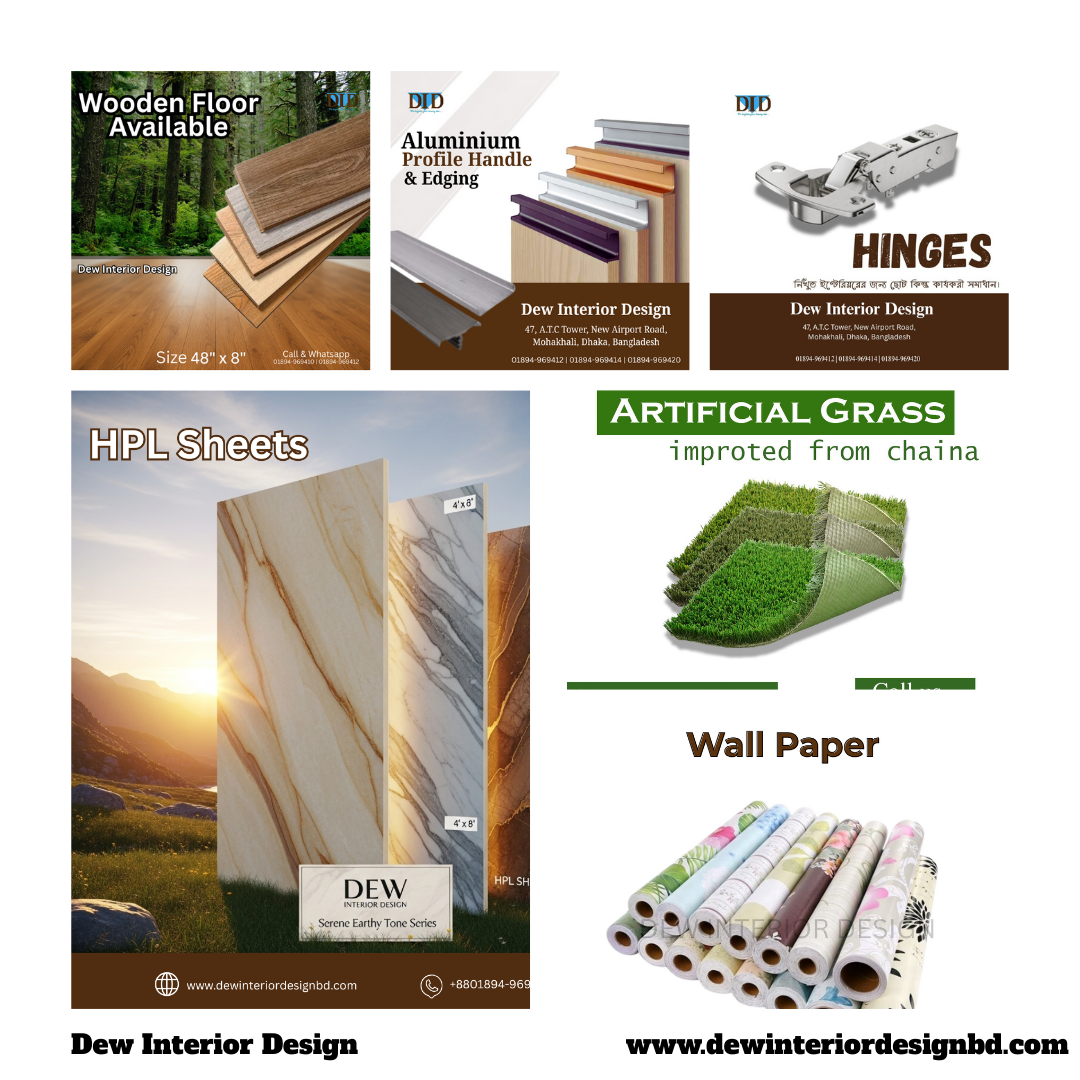
Choosing the best materials for interior design is one of the most important decisions in any design project. Materials define the look, feel, durability, and functionality of a space, whether it is residential or commercial. The right material choices can elevate an interior, improve comfort, and increase long-term value, while poor selections can lead to high maintenance costs and early wear. Understanding how to select appropriate materials is essential for achieving a successful interior design outcome.
One of the first factors to consider when choosing interior design materials is the purpose of the space. Every room has different functional requirements, and materials should align with how the space will be used. For example, kitchens and bathrooms require materials that are resistant to moisture, heat, and stains, while bedrooms and living areas focus more on comfort and aesthetics. High-traffic areas such as hallways and commercial spaces need durable materials that can withstand frequent use without losing their appeal.
Aesthetic harmony is another key aspect of material selection. Materials should complement the overall design theme, whether it is modern, traditional, minimalist, or industrial. Natural materials like wood and stone bring warmth and timeless beauty, while materials such as glass, metal, and concrete contribute to a sleek and contemporary look. Color, texture, and finish all play a role in how materials interact with lighting and surrounding elements. A well-balanced combination of materials creates visual continuity and enhances the character of the space.
Durability and maintenance requirements should never be overlooked. While some materials may look attractive initially, they may require frequent maintenance or wear out quickly. Interior designers evaluate how materials perform over time, especially in areas exposed to daily use. For instance, engineered wood and high-quality laminates often provide better resistance to moisture and scratches compared to solid wood in certain applications. Easy-to-clean and low-maintenance materials are especially important for commercial interiors and busy households.
Budget is a practical consideration that significantly influences material choices. High-end materials such as natural marble or solid hardwood can be expensive, but they are not always necessary to achieve a premium look. Many cost-effective alternatives offer similar aesthetics with improved performance. For example, quartz surfaces can replicate the elegance of marble while providing better durability and lower maintenance. A smart approach to budgeting involves prioritizing investment in key areas while using affordable materials elsewhere without compromising overall quality.
Sustainability has become a major factor in modern interior design. Choosing eco-friendly materials not only reduces environmental impact but also improves indoor air quality and supports healthier living. Sustainable materials such as bamboo, recycled wood, cork, and low-VOC paints are increasingly popular among homeowners and businesses. These materials help create responsible interiors that align with global sustainability goals while maintaining visual appeal.
Lighting conditions also influence material selection. Natural and artificial lighting can change the appearance of textures and finishes throughout the day. Glossy and reflective materials enhance brightness by reflecting light, making them ideal for smaller or darker spaces. Matte finishes, on the other hand, create a softer and more subtle look. Understanding how materials interact with light allows designers to enhance spatial perception and ambiance.
Climate and environmental conditions should also be considered when selecting interior materials. In humid regions, moisture-resistant materials are essential to prevent warping, mold, and damage. In warmer climates, materials that stay cool and allow airflow improve comfort. Choosing materials that suit the local climate increases longevity and reduces future repair costs.
Another important consideration is safety and comfort. Non-slip flooring, fire-resistant materials, and non-toxic finishes contribute to safer interiors. Acoustic materials that reduce noise are especially valuable in offices, apartments, and hospitality spaces. Interior design materials should not only look good but also support the well-being of occupants.
Customization and flexibility are additional benefits of choosing the right materials. Many modern materials come in a wide range of finishes, textures, and colors, allowing designers to tailor interiors to specific preferences. This flexibility makes it easier to achieve unique designs while maintaining consistency across the space.
Customization and adaptability are key advantages of selecting the right interior materials. Today’s materials are available in an extensive variety of colors, textures, and finishes, giving designers the freedom to personalize spaces according to individual tastes and design goals. This versatility allows for creative, distinctive interiors while still ensuring a cohesive and well-balanced overall design.
In conclusion, choosing the best materials for interior design requires a thoughtful balance of functionality, aesthetics, durability, budget, and sustainability. Each material should be selected based on how it performs, how it looks, and how it contributes to the overall experience of the space. By carefully evaluating these factors, interior designers can create interiors that are not only visually stunning but also practical, comfortable, and long-lasting. The right materials transform a design concept into a space that truly works for its users.