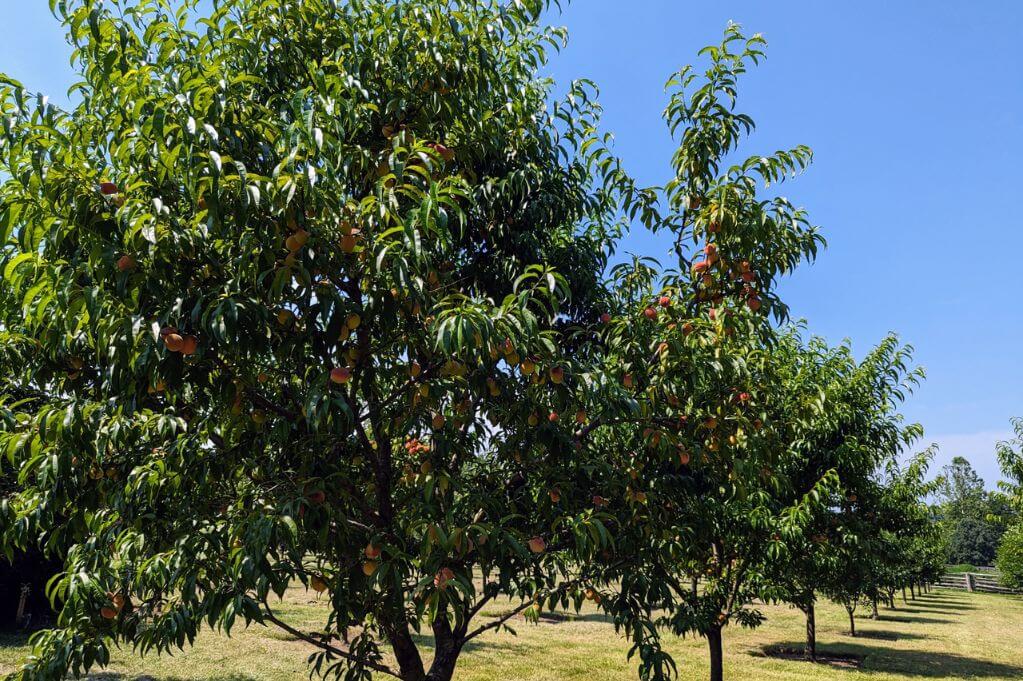

Determining optimal harvest timing separates excellent apples from mediocre ones. Picking too early results in starchy, underdeveloped fruit lacking characteristic flavor and sweetness. Waiting too long produces mealy, overripe apples with reduced storage potential. Understanding the signs of apple maturity helps growers and home orchardists harvest at peak quality.
Tennessee’s climate influences apple maturation timing, with warm temperatures accelerating ripening compared to northern growing regions. Recognizing multiple maturity indicators provides confidence that harvest timing captures fruits at their best. Whether picking from your backyard tree or visiting local orchards in Tennessee, knowing when apples reach maturity enhances the harvest experience and ensures the highest quality fruit.
This guide explores the various methods for determining apple ripeness, from visual assessment to scientific testing, helping growers make informed harvest decisions that maximize fruit quality and
Visual Signs of Apple Ripeness
External appearance provides the most accessible initial assessment of apple maturity.
Background Color Changes
The most reliable visual indicator involves background color, the base coloration beneath red blushing or striping. As apples mature, background color shifts from deep green toward yellow or cream tones as chlorophyll breaks down and other pigments become visible.
For primarily red varieties like Red Delicious or Gala, observe areas without red coloration, typically around the calyx end or on shaded portions. Green background indicates immaturity, while yellow or cream backgrounds suggest approaching or achieved maturity.
Green varieties including Granny Smith exhibit yellow tinting as they mature. Fully mature Granny Smith apples show light yellow coloration over their characteristic green, though they remain predominantly green even when fully ripe.
Yellow varieties like Golden Delicious deepen from pale yellow-green to rich golden yellow as sugars accumulate and maturity progresses.
Background color assessment requires familiarity with variety-specific patterns. Some varieties show dramatic color changes while others display subtle shifts.

Surface Changes
Mature apples often develop slightly waxy or glossy surface appearance as natural fruit waxes increase. This coating helps prevent moisture loss and provides some disease protection.
Lenticels, the small dots on apple surfaces facilitating gas exchange, may become more prominent or change color as fruits mature. On some varieties, lenticels lighten from green or white to brown or russet tones.
The Twist Test Method
Physical testing provides practical field assessment complementing visual observations.
Performing the Twist Test
The twist test evaluates how easily fruit separates from fruiting spurs. Mature apples detach readily while immature fruits resist removal.
To perform the test, cup the apple in your palm, lift upward slightly while twisting gently. Mature apples separate cleanly from spurs with minimal effort, often requiring only slight upward pressure combined with quarter-turn rotation.
Immature apples require significant force, resisting separation even with strong pulling and twisting. Forcing removal damages fruiting spurs, reducing next year’s production and creating entry points for disease organisms.
Interpreting Results
Easy separation indicates maturity or over-maturity, while difficult removal confirms immaturity. The test works best when combined with other indicators, as some varieties naturally hold more tenaciously than others even when mature.
Test multiple fruits from different tree areas rather than judging maturity by single specimens. Sun-exposed fruits often ripen before shaded interior fruits, creating maturity variation within individual trees.
Checking Apple Color Changes
Beyond background color, other color-related changes indicate advancing maturity.
Red Color Development
Varieties developing red blush or striping intensify coloration as they mature. The percentage of surface showing red increases and existing red areas deepen in intensity.
However, red color development responds to factors beyond maturity including sunlight exposure and temperature fluctuations. Fruits receiving direct sun develop more intense red regardless of maturity level. Cool nights combined with warm days promote red color development.
Because environmental factors strongly influence red coloration, it serves as an unreliable sole indicator of maturity. Some fully mature apples show limited red while some immature fruits display extensive coloration due to favorable conditions.
Use red color as a supplementary indicator supporting other more reliable signs rather than depending on it exclusively.
Skin Thickness and Texture
As apples mature, skin often becomes slightly thinner and more tender. Very firm, thick skin typically indicates immaturity, while slightly yielding skin suggests approaching maturity.
Assess skin texture by gentle thumb pressure. Mature apples yield slightly without bruising, while immature fruits feel rock-hard with no give.
Seed Color Indicators
Internal seed examination provides reliable maturity assessment independent of external appearance.
Examining Seed Development
Cut apples equatorially across their middle, exposing the seed cavity and seeds. Immature apples contain white or very light tan seeds with soft, undeveloped coats.
As maturation progresses, seeds darken through tan to brown and finally to dark brown or black in fully mature fruits. Seed coats harden and develop full coloration only when fruits reach maturity.
Most varieties show brown to black seeds at optimal maturity. Some variation exists between varieties, with certain cultivars displaying lighter seed coloration even when fully mature.
When assessing maturity by seed color, sample multiple fruits from different tree areas. Occasional fruits show abnormal seed development, making individual specimens unreliable indicators. Consistent seed color across multiple samples provides confidence in maturity assessment.
Advantages of Seed Testing
Seed color provides objective internal confirmation of maturity independent of environmental factors affecting external appearance. A fruit may lack expected red coloration due to shading yet show fully darkened seeds confirming maturity.
The destructive nature of seed testing limits its use to sampling rather than assessing every fruit. However, examining several representative samples guides decisions about harvesting entire trees or orchard blocks.
Taste Testing for Sweetness
Subjective flavor evaluation confirms that scientific indicators translate to eating quality.
Conducting Taste Tests
Sample fruits from multiple tree areas including sun-exposed and shaded locations. Bite through skin into flesh, evaluating multiple sensory characteristics.
Mature apples exhibit crisp, juicy texture with characteristic variety flavor. Sugars accumulate during ripening, reducing starchiness and increasing sweetness. Acid levels also change, with some varieties reducing acidity as others maintain high acid providing tart flavor even when fully ripe.
Immature apples taste starchy, lack sweetness, and may exhibit astringent or unpleasantly sour characteristics. Texture tends toward hard and dry rather than crisp and juicy.
Starch-to-Sugar Conversion
As apples ripen, starches convert to sugars providing sweetness and flavor. The iodine starch test quantifies this conversion, though it requires materials and interpretation experience.
In this test, cut apples are dipped in iodine solution. Iodine reacts with starch, turning dark purple or black. Areas where starch has converted to sugar remain clear or light-colored.
Immature fruits show dark staining across entire cut surfaces. Partially mature apples display clearing around cores while outer flesh remains dark. Fully mature fruits show minimal or no staining, indicating complete starch conversion.
Variety-Specific Harvest Times in Tennessee
Different apple varieties mature across Tennessee’s growing season from August through October.
Early Season Varieties (Late July to August)
Ginger Gold typically matures in mid to late August in Middle Tennessee. Background color shifts from green to yellow-gold, and fruits separate easily from spurs.
Pristine ripens in mid-August, showing bright yellow color and excellent flavor when properly mature. This disease-resistant variety benefits from prompt harvest as quality declines rapidly if left too long.
Mid-Season Varieties (September)
Gala apples ripen in late August to early September depending on specific Tennessee location and yearly weather patterns. Background color changes from green to yellow, and red striping intensifies.
Honeycrisp typically matures in mid to late September in Tennessee. Background color shifts to yellow-cream, and fruits show characteristic juiciness and explosive crunch when optimally ripe.
Golden Delicious reaches maturity in mid to late September, developing rich golden-yellow coloration. Seeds turn dark brown, and sugars accumulate providing the variety’s characteristic mild sweetness.
Late Season Varieties (October)
Fuji apples mature in mid to late October across Middle Tennessee. These late-ripening fruits benefit from extended hang time, developing exceptional sweetness and crisp texture. Background color changes to cream-yellow beneath red striping.
Granny Smith reaches maturity in late September to early October, showing light yellow tinting over characteristic green. Full sugar development occurs late, making premature harvest particularly problematic for this variety.
Arkansas Black matures very late, typically in late October. Fruits develop extremely dark red to purple coloration and benefit from storage to mellow tart flavor into complex, wine-like characteristics.
Warm seasons advance maturity by several days to a week compared to cool years. Monitor actual maturity indicators rather than rigidly following calendar dates to account for yearly variation.
Best Time of Day to Pick Apples
Harvest timing within the day affects fruit quality and storage potential.
Morning Harvest Advantages
Early morning picking, after dew dries but before midday heat, offers several benefits. Fruits remain cool from overnight temperatures, reducing respiration rates that consume sugars and energy.
Cool fruit temperature at harvest extends storage life by slowing metabolic processes that lead to quality deterioration. Apples picked at 80°F respire significantly faster than those harvested at 60°F, shortening storage potential.
Morning harvest provides more comfortable working conditions for pickers during Tennessee’s warm late summer and early fall weather.
Avoiding Wet Fruit
Wait for dew or rain to dry before beginning harvest. Wet fruit increases disease risks during storage and handling. Water on surfaces promotes fungal growth including storage rots that spread through stored crops.
Storage Tips After Harvest
Proper post-harvest handling preserves quality gained through optimal harvest timing.
Immediate Cooling
Cool harvested apples to near 32°F as quickly as possible. Rapid cooling, ideally within 24 hours of harvest, dramatically extends storage life. Every day of delay at room temperature before cooling reduces storage potential by days or weeks depending on variety.
Home growers can use refrigerators, though most household units maintain temperatures around 37°F to 40°F, warmer than ideal but significantly better than room temperature.
Humidity Management
Store apples at 90% to 95% relative humidity to prevent moisture loss and shriveling. Most home refrigerators provide inadequate humidity, causing fruits to dehydrate during extended storage.
Perforated plastic bags help maintain humidity around individual fruits while allowing gas exchange. Avoid sealed containers that trap gases accelerating ripening and deterioration.
Variety-Specific Storage Life
Storage potential varies dramatically between varieties. Ginger Gold and similar early varieties store 4 to 8 weeks under optimal conditions. Mid-season varieties including Gala typically store 2 to 4 months.
Late-season storage varieties like Fuji, GoldRush, and Arkansas Black maintain quality for 5 to 7 months when properly stored, providing fresh fruit well into winter and spring.
Regular Inspection
Check stored apples weekly, removing any showing decay or damage. Rotten fruits release ethylene and disease organisms affecting surrounding specimens. One bad apple truly does spoil the barrel if left unaddressed.
Conclusion
Determining optimal apple harvest timing requires assessing multiple indicators rather than relying on single factors. Background color changes, ease of separation, seed color, and taste all provide valuable information guiding harvest decisions.
Tennessee’s climate influences maturity timing, with warm temperatures generally advancing ripening compared to northern regions. Variety-specific characteristics also affect maturity indicators, making familiarity with particular cultivars valuable for accurate assessment.
Harvesting during cool morning hours and cooling fruit quickly after picking maximizes storage potential. Different varieties offer varying storage lives, from a few weeks for early types to many months for late-season storage cultivars.
Whether managing commercial orchards or tending backyard trees, understanding ripeness indicators and proper harvest timing ensures the highest quality fruit. The combination of visual assessment, physical testing, and taste evaluation provides confidence that harvest captures apples at peak quality, maximizing both immediate eating pleasure and storage potential for extended enjoyment of Tennessee-grown apples.