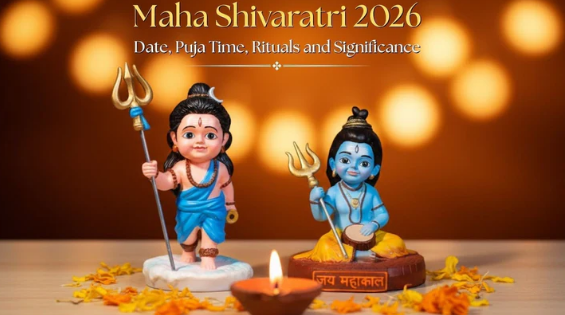
Maha Shivaratri is one of the most sacred festivals dedicated to Lord Shiva, the supreme deity known as the destroyer of ignorance and the source of ultimate consciousness. It is a powerful night of devotion, fasting, meditation, and spiritual awakening. Every year, millions of devotees come together to worship Lord Shiva with immense dedication, performing rituals and prayers throughout the night.
Maha Shivaratri 2026 will hold special importance as devotees eagerly prepare to observe the divine night with purity, discipline, and unwavering faith. This blog covers the Maha Shivaratri 2026 date, shubh muhurat, puja vidhi, rituals, and the deep spiritual significance of this auspicious festival.
Maha Shivaratri 2026 Date
In 2026, Maha Shivaratri will be celebrated on:
Monday, 16 February 2026
This sacred night falls on the Chaturdashi Tithi of Krishna Paksha in the month of Phalgun. The alignment of planetary and lunar energies on this night is believed to be highly favorable for spiritual growth, meditation, and divine connection with Lord Shiva.
Shubh Muhurat for Maha Shivaratri 2026
The Shubh Muhurat for Maha Shivaratri typically includes:
- Nishita Kaal Puja Timing (midnight puja period)
- Mahadev Puja Muhurat
- Shiva Linga Abhishekam Time
- Fasting and Night-long Vigil
For Maha Shivaratri 2026, the important time frames are:
- Chaturdashi Tithi Begins: Morning of 16 February 2026
- Chaturdashi Tithi Ends: Morning of 17 February 2026
- Nishita Kaal (Midnight Puja Time): Around 12:00 AM to 12:45 AM (approximate)
The Nishita Kaal puja is considered the most sacred moment of the entire festival because it symbolizes the time when divine energies are at their peak.
Significance of Maha Shivaratri
Maha Shivaratri holds deep religious, mythological, and spiritual meaning. It is not just a festival but a profound spiritual event believed to offer blessings, purification, and liberation from past karmas.
1. The Night of Divine Union
According to scriptures, Maha Shivaratri marks the divine marriage of Lord Shiva and Goddess Parvati. Devotees celebrate this union by worshipping the cosmic balance between Shiva (consciousness) and Shakti (energy).
2. The Night of Shiva’s Cosmic Dance
It is believed that on Maha Shivaratri, Shiva performed the Tandava, the dance of creation, preservation, and destruction. This symbolizes the endless cycle of life and the flow of cosmic energy.
3. Spiritual Awakening and Moksha
Meditation, fasting, and chanting on this night are said to lead devotees closer to Moksha, or spiritual liberation. The energies of the universe support inner transformation and awakening of consciousness.
4. Destruction of Negativity
Worshipping Lord Shiva on this night removes negative energies, purifies the mind, and blesses the devotee with strength, focus, peace, and protection.
Maha Shivaratri 2026 Puja Vidhi
Maha Shivaratri 2026 puja is done with devotion, purity, and discipline. The rituals are simple yet deeply meaningful.
1. Early Morning Bath
Devotees begin the day by taking a holy bath, preferably with water mixed with Ganga Jal, to purify the body and mind.
2. Fasting (Vrat)
Observing a fast is a major part of Maha Shivaratri. Devotees keep a:
- Nirjala fast (without food and water), or
- Phalahar fast (fruits & milk)
The fast symbolizes self-control, discipline, and devotion.
3. Whole-Day and Whole-Night Worship
The worship of Lord Shiva continues throughout the day and night, especially during the four sacred Prahars (quarters of the night).
4. Shiva Linga Abhishekam
The Abhishekam (ritual bathing of the Shiva Linga) is the most important ritual of Maha Shivaratri. Devotees perform it using:
Milk, Water, Honey, Curd, Sugar, Ghee, Bel Patra (bilva leaves), Datura, White flowers
Each offering has symbolic meaning and is believed to please Lord Shiva.
5. Chanting of Mantras
Devotees chant powerful Shiva mantras such as:
- Om Namah Shivaya
- Maha Mrityunjaya Mantra
These vibrations purify the environment and elevate spiritual energy.
6. Night-long Jagran
Staying awake throughout the night is a key part of Maha Shivaratri. This vigil signifies awareness, devotion, and spiritual awakening.
Four Prahar Puja During Maha Shivaratri
The night is divided into four equal parts, and each prahar has its own importance:
First Prahar
Symbolizes the start of the spiritual journey. Focus is on purifying the mind.
Second Prahar
Devotee’s connection with Shiva deepens. Chanting and meditation intensify.
Third Prahar
Represents deep spiritual transformation and burning of karmic impurities.
Fourth Prahar
The final phase where divine blessings, peace, and awakening are received.
Benefits of Observing Maha Shivaratri
Celebrating Maha Shivaratri 2026 with devotion grants several spiritual and life-enhancing benefits:
- Removal of negative influences
- Inner peace and mental clarity
- Emotional stability
- Strength to overcome challenges
- Protection from harm
- Blessings for prosperity, health, and happiness
- Progress on the spiritual path
- Liberation from past karmas
Maha Shivaratri for Devotees and Households
Families perform Group Puja at home, visit Shiva temples, offer prayers, light diyas, and meditate together. Many devotees also read stories about Shiva, recite Shiva Purana, and practice breathwork or silence during the night.
In many temples, special celebrations, aarti ceremonies, and massive Abhishekam rituals take place all night, drawing large crowds of devotees.
Conclusion
Maha Shivaratri 2026 is a powerful opportunity to deepen devotion, surrender negativity, and connect with the infinite grace of Lord Shiva. Observing this sacred night with sincerity brings spiritual upliftment, peace, and divine protection.
By performing the puja, observing the fast, and chanting mantras with a pure heart, devotees can experience spiritual transformation and blessings from Mahadev. Maha Shivaratri is not just a festival—it is a journey inward, a moment of awakening, and a celebration of the eternal power of Lord Shiva.
Source: https://jordansheel.in/