Metal roofing has become one of the most popular choices for both residential and commercial buildings. Its durability, aesthetic appeal, and ability to withstand harsh weather conditions make it a preferred option for homeowners, architects, and contractors. Unlike traditional roofing materials such as asphalt shingles or clay tiles, metal roofing offers a combination of longevity, energy efficiency, and style that few other materials can match.
What is Metal Roofing?
Metal roofing refers to roofing systems made from metal panels or shingles. These can include materials such as steel, aluminum, copper, or zinc, and are designed to protect buildings from rain, snow, wind, and UV radiation. Metal roofs are available in a variety of styles and finishes, from traditional shingles that mimic the look of asphalt or wood to sleek, modern panels that give buildings a contemporary aesthetic.
Metal roofing is not just about looks; it is a high-performance material that can last decades with minimal maintenance. Its growing popularity is driven by its durability, resistance to fire and pests, and eco-friendly characteristics.
Types of Metal Roofing
1. Standing Seam Metal Roofs
Standing seam roofs are one of the most common types of metal roofing. They feature vertical panels with raised seams that interlock, creating a clean, modern appearance.
Benefits:
-
Excellent water and snow shedding capabilities
-
Minimal maintenance required
-
Highly durable and resistant to corrosion
2. Metal Shingles
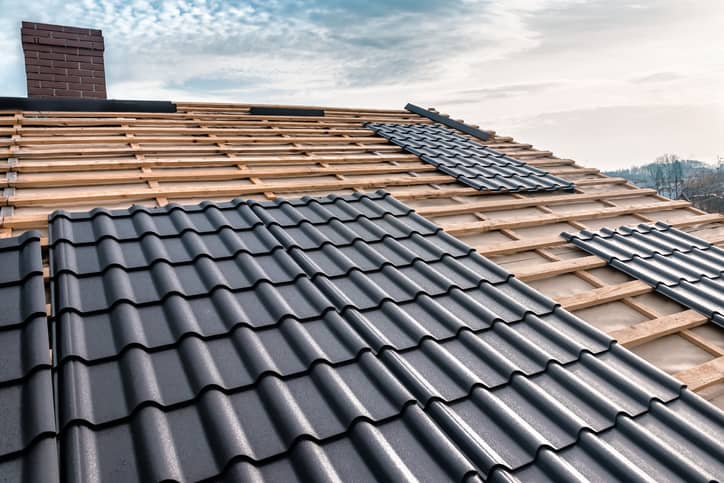
Metal shingles are designed to replicate the appearance of traditional roofing materials such as asphalt, wood, or slate. They offer the aesthetic of traditional roofs while providing the durability of metal.
Benefits:
-
Stylish and customizable designs
-
Lightweight compared to clay or concrete tiles
-
Long-lasting and energy-efficient
3. Corrugated Metal Roofing
Corrugated metal panels have a wavy pattern that adds strength and rigidity to the material. They are often used in industrial or agricultural settings but are increasingly popular in modern residential designs.
Benefits:
-
High strength-to-weight ratio
-
Cost-effective and easy to install
-
Suitable for large spans and roof slopes
4. Aluminum Roofing
Aluminum is lightweight, corrosion-resistant, and ideal for coastal or humid areas. It is available in various colors and finishes, making it a versatile choice for residential and commercial projects.
Benefits:
-
Resistant to rust and corrosion
-
Energy-efficient due to reflective properties
-
Long lifespan with minimal maintenance
5. Copper and Zinc Roofing
Copper and zinc offer premium roofing solutions with unmatched aesthetics. Over time, these metals develop a natural patina that enhances their visual appeal while maintaining durability.
Benefits:
-
Luxurious and unique appearance
-
Extremely long lifespan
-
Low maintenance and highly durable
Advantages of Metal Roofing
Durability and Longevity
Metal roofs are known for their longevity, often lasting 40–70 years depending on the material and installation quality. They are resistant to cracking, shrinking, and eroding, making them far superior to asphalt shingles, which may need replacement every 15–20 years.
Energy Efficiency
Many metal roofing systems are designed to reflect solar radiant heat, reducing cooling costs in the summer. Reflective coatings and insulated panels improve energy efficiency and help maintain comfortable indoor temperatures year-round.
Low Maintenance
Metal roofing requires minimal upkeep compared to traditional roofing materials. Periodic inspections, cleaning, and minor adjustments are usually sufficient to maintain performance, saving homeowners time and money in the long run.
Weather and Fire Resistance
Metal roofs excel in protecting buildings against extreme weather conditions, including heavy rain, hail, snow, and high winds. Many metal roofing materials are also fire-resistant, providing an extra layer of safety for your property.
Aesthetic Versatility
From classic shingles to modern panels, metal roofing offers a wide range of styles, colors, and finishes. Architects and homeowners can customize the look to match the building design while benefiting from the material’s durability.
Eco-Friendly
Metal roofing materials are often made from recycled content and are fully recyclable at the end of their lifespan. Their longevity reduces the frequency of roof replacement, minimizing waste and contributing to a sustainable construction approach.
Installation Process
Planning and Design
Before installation, it’s essential to plan the roof design, select the right metal type, and determine panel dimensions. Proper planning ensures efficient installation and long-lasting performance.
Tools and Equipment
Professional installation requires specialized tools such as metal shears, seamers, nail guns, and lifting equipment for large panels. Using the right tools ensures safety, precision, and speed.
Step-by-Step Installation
-
Remove Existing Roof (if needed): Clear old shingles or roofing material.
-
Inspect and Prepare Roof Deck: Ensure the substrate is clean, dry, and structurally sound.
-
Install Underlayment: Lay protective underlayment to prevent moisture penetration.
-
Position and Secure Panels: Align metal panels and secure them with screws or clips.
-
Seal Seams and Edges: Apply sealant to prevent leaks and enhance weather resistance.
-
Final Inspection: Check alignment, fasteners, and flashing for proper installation.
Common Mistakes to Avoid
-
Skipping proper underlayment
-
Incorrect panel alignment
-
Over-tightening or under-tightening fasteners
-
Neglecting flashing and edge sealing
Proper installation is critical to achieving the full benefits of a metal roof.
Key Considerations When Choosing Metal Roofing
-
Material Selection: Consider durability, weight, and climate suitability.
-
Roof Slope: Some metals work better on steep slopes, while others are suitable for low-pitch roofs.
-
Budget: Factor in material cost, labor, and potential long-term savings.
-
Aesthetic Preferences: Choose finishes and styles that complement the building design.
-
Local Building Codes: Ensure the roofing system complies with regulations and wind, fire, and snow load requirements.
Conclusion
Metal roofing combines durability, style, and long-term protection in a way few other materials can match. Whether you are looking for a sleek modern design, classic shingle look, or a high-end copper finish, metal roofing provides a versatile and long-lasting solution. Its benefits—ranging from energy efficiency and low maintenance to superior weather resistance—make it an excellent investment for any building. By choosing the right material, proper installation, and design, property owners can enjoy a reliable, beautiful, and sustainable roofing system for decades.