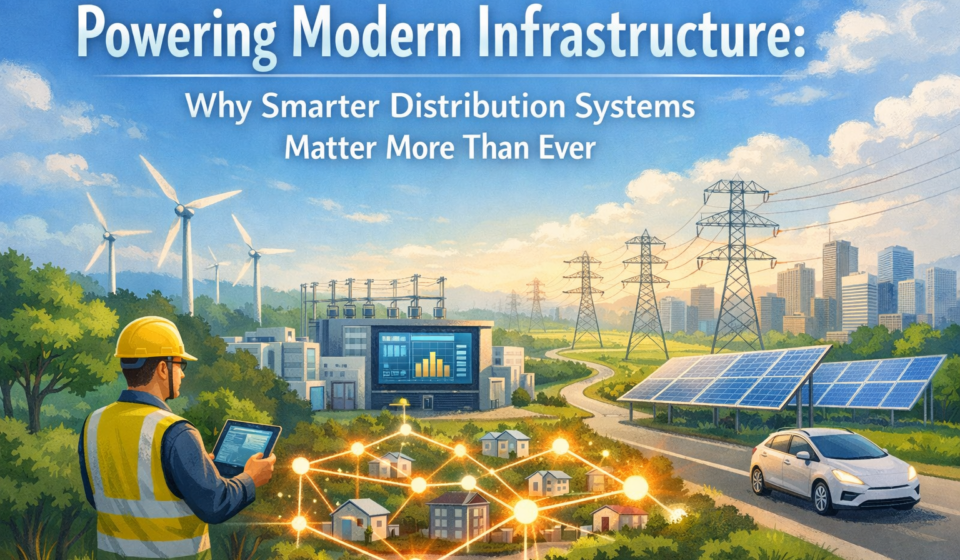

Electricity is the backbone of modern life, yet the systems that deliver it are often overlooked—until something goes wrong. From residential neighborhoods to large-scale industrial facilities, reliable power distribution plays a critical role in safety, efficiency, and long-term sustainability. As energy demands grow and technologies evolve, upgrading and optimizing distribution systems is no longer optional—it’s essential.
In this article, we’ll explore how modern power distribution systems support today’s infrastructure, why they matter for businesses and property owners, and what to consider when planning upgrades or new installations.
Understanding Power Distribution Systems
At its core, a power distribution system is responsible for delivering electricity from a primary source to end users. This involves a network of transformers, panels, switchgear, wiring, and protective devices that ensure electricity flows safely and efficiently.
Key Components Include:
-
Transformers: Adjust voltage levels for safe usage
-
Switchgear: Controls and protects electrical circuits
-
Distribution Panels: Direct power to various circuits
-
Wiring and Conduits: Carry electricity throughout a facility
-
Protective Devices: Prevent overloads and electrical hazards
These components must work together seamlessly to maintain consistent power delivery while minimizing risks like outages or equipment damage.
Why Modern Facilities Need Smarter Systems
As buildings become more technologically advanced, their energy demands become more complex. Traditional systems may struggle to keep up with modern loads, especially in environments that rely heavily on automation, data processing, or specialized equipment.
Growing Energy Demands
From EV charging stations to smart HVAC systems, the number of devices drawing power has increased significantly. Without an upgraded distribution system, facilities risk inefficiencies or even system failures.
Safety and Compliance
Electrical codes and safety standards continue to evolve. Older systems may not meet current requirements, putting both occupants and assets at risk. Modern distribution solutions incorporate advanced safety mechanisms to prevent electrical faults and reduce fire hazards.
Energy Efficiency
Efficient power distribution reduces energy waste and lowers operational costs. Smart systems can monitor usage patterns and optimize performance, helping businesses reduce their environmental footprint.
The Role of Customization in Power Distribution
No two facilities are exactly alike, which is why customized solutions are so important. Whether it’s a commercial building, industrial plant, or residential complex, the design of a power distribution system should align with specific needs and future growth.
Factors That Influence Design:
-
Facility size and layout
-
Type of equipment in use
-
Peak energy demand
-
Backup power requirements
-
Expansion plans
Tailored solutions ensure that systems are not only efficient today but also scalable for tomorrow.
Benefits of Upgrading Your Distribution System
Investing in a modern power distribution system can deliver significant advantages across multiple areas:
1. Improved Reliability
Advanced systems reduce the likelihood of outages and ensure consistent power delivery, even during peak demand.
2. Enhanced Safety
Upgraded components and monitoring tools help detect issues early, preventing costly and dangerous failures.
3. Cost Savings
Energy-efficient systems reduce waste and lower utility bills over time.
4. Future Readiness
Modern infrastructure supports emerging technologies, from renewable energy integration to smart building automation.
Common Signs Your System Needs an Upgrade
Not sure if your current system is outdated? Here are a few indicators that it may be time for an evaluation:
-
Frequent circuit breaker trips
-
Flickering or inconsistent lighting
-
Overheating electrical panels
-
Increased energy bills without higher usage
-
Difficulty supporting new equipment
Ignoring these warning signs can lead to more serious issues, including downtime and safety risks.
Planning for the Future of Power Distribution
As industries continue to evolve, so will the expectations placed on electrical systems. Businesses and property owners should take a proactive approach to planning and maintenance.
Steps to Consider:
-
Conduct a Professional Assessment Evaluate your current system’s capacity and performance.
-
Identify Growth Needs Consider future expansions or technology upgrades.
-
Prioritize Safety Upgrades Ensure compliance with the latest codes and standards.
-
Incorporate Smart Technology Monitoring systems can provide real-time insights and improve efficiency.
-
Work with Experienced Professionals Proper design and installation are critical to long-term success.
For those looking to better understand how tailored solutions can improve efficiency and reliability, exploring resources on power distribution systems Santa Clara can provide helpful insights into modern approaches and best practices.
Conclusion
Power distribution systems are more than just infrastructure—they are the foundation of safe, efficient, and future-ready environments. As energy demands increase and technologies advance, investing in smarter, more adaptable systems becomes a strategic necessity rather than a luxury.
By understanding how these systems work and recognizing when upgrades are needed, property owners and businesses can ensure they remain resilient, efficient, and prepared for what lies ahead. A well-designed distribution system doesn’t just deliver electricity—it powers progress.