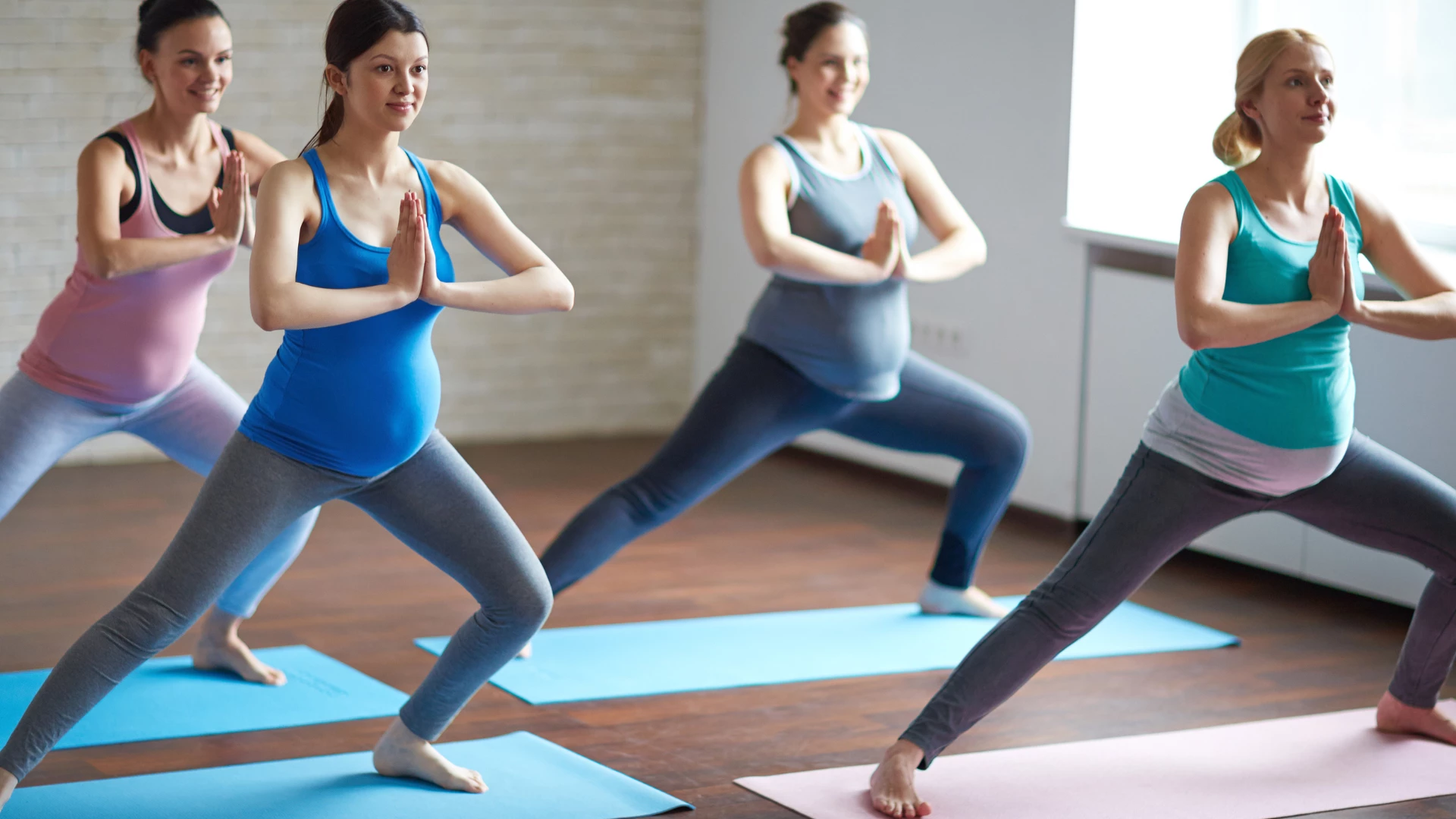
Pregnancy is a transformative journey that brings physical, emotional, and mental changes. Maintaining fitness during this period is not about intense workouts, but about nurturing the body in a gentle and supportive way. Prenatal Yoga has emerged as one of the most recommended forms of exercise for expecting mothers, as it combines movement, breathing, and mindfulness to support both maternal and fetal health. Practiced safely and consistently, yoga during pregnancy can help women stay active, reduce discomfort, and prepare for childbirth with confidence.
Understanding Yoga During Pregnancy
Yoga tailored for pregnancy focuses on adapting traditional postures to suit the changing body. These exercises emphasize stability, flexibility, controlled breathing, and relaxation rather than extreme stretching or strength. Unlike regular yoga, pregnancy-focused sessions avoid deep twists, intense backbends, or poses that compress the abdomen.
The practice of Prenatal Yoga supports the body as it adjusts to weight gain, hormonal changes, and a shifting center of gravity. It also encourages mental calmness, helping expectant mothers connect with their bodies and their growing babies.
Benefits of Practicing Yoga While Expecting
Physical Benefits
Regular yoga practice during pregnancy helps strengthen muscles that are essential for labor and delivery, particularly the pelvic floor, lower back, hips, and legs. Gentle stretching improves flexibility, reduces stiffness, and alleviates common discomforts such as back pain, swollen ankles, and muscle cramps.
Improved posture is another key benefit. As the belly grows, many women experience strain in the spine and shoulders. Yoga postures encourage proper alignment, which helps distribute weight more evenly and reduces stress on joints.
Mental and Emotional Benefits
Pregnancy can bring emotional ups and downs due to hormonal shifts and lifestyle changes. Mindful movement and breathing help calm the nervous system, reduce anxiety, and promote better sleep. Prenatal Yoga also encourages self-awareness, allowing women to tune in to their physical and emotional needs during pregnancy.
Group classes can offer emotional support as well, creating a sense of community among expectant mothers who share similar experiences.
Safe Prenatal Yoga Exercises
Gentle Warm-Up Movements
Every yoga session should begin with a gentle warm-up to prepare the body for movement. Simple neck rolls, shoulder shrugs, and ankle rotations help improve circulation and release tension. Slow, mindful movements are key to avoiding strain.
Standing Poses for Strength and Balance
Standing poses such as modified mountain pose, supported warrior variations, and wide-legged squats help build strength in the legs and hips. These poses also improve balance, which is especially important as the body’s center of gravity changes during pregnancy.
Using a wall or chair for support ensures stability and safety, particularly in the later stages of pregnancy.
Seated and Side-Lying Poses
Seated stretches promote flexibility in the hips and lower back while encouraging relaxation. Side-lying poses are often preferred over lying flat on the back, especially after the first trimester, as they support healthy circulation and reduce pressure on major blood vessels.
These positions are a central part of Prenatal Yoga, offering comfort while still allowing effective stretching and gentle strengthening.
Breathing Techniques for Pregnancy
Deep Breathing for Relaxation
Breath awareness is a core element of yoga during pregnancy. Slow, deep breathing helps oxygenate the body and calms the mind. Practicing controlled breathing can also be beneficial during labor, as it helps manage pain and maintain focus.
Preparing for Labor Through Breath
Specific breathing techniques encourage relaxation of the pelvic floor and promote efficient breathing patterns. These skills, developed through Prenatal Yoga, can be valuable tools during childbirth, helping women feel more in control and connected to their bodies.
Important Safety Guidelines
Before starting any exercise program, pregnant women should consult their healthcare provider, especially if there are medical considerations. Yoga should always be practiced at a comfortable pace, avoiding overheating, overexertion, or holding the breath.
Listening to the body is essential. If any discomfort, dizziness, or pain occurs, the pose should be modified or stopped immediately. Certified instructors trained in pregnancy yoga can provide guidance and ensure that movements are safe and effective.
Incorporating Yoga Into Daily Life
Consistency matters more than duration. Even short sessions practiced a few times a week can offer significant benefits. Many women find that integrating Prenatal Yoga into their daily routine helps them feel more energized, balanced, and prepared for the physical demands of pregnancy.
At home, creating a quiet, comfortable space with supportive props such as cushions or yoga blocks can enhance the practice. Online classes and guided sessions also make it easier to practice safely from home.
Conclusion
Staying fit during pregnancy is about nurturing strength, flexibility, and inner calm rather than pushing physical limits. Yoga designed for expecting mothers provides a holistic approach to wellness by supporting the body, calming the mind, and preparing for childbirth. Through gentle movements, mindful breathing, and relaxation, Prenatal Yoga helps women embrace pregnancy with confidence, comfort, and a deeper connection to themselves and their babies. When practiced safely and consistently, it becomes a powerful tool for maintaining health and well-being throughout this remarkable journey.

