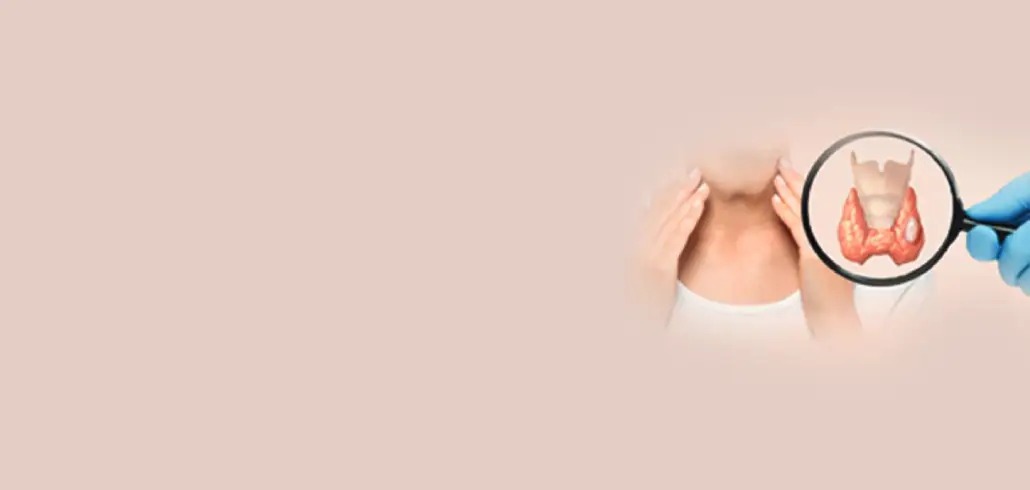
Thyroid nodules are being identified more often today, not because they are new, but because access to imaging and routine health checks has improved. Many people now learn about nodules before symptoms become severe. At the same time, patients are more involved in treatment decisions and prefer options that do not disrupt daily life. This shift has changed how thyroid care is discussed. Instead of jumping straight to surgery or long-term observation, conversations now focus on balanced approaches that address symptoms while protecting overall thyroid health.
What is Radiofrequency Ablation (RFA) for Thyroid Nodules?
Radiofrequency Ablation is a modern, image-guided procedure designed to treat thyroid nodules without removing the gland. It focuses on reducing the size of problematic nodules rather than taking out healthy thyroid tissue. This approach fits well with current patient expectations for targeted, tissue-sparing care.

RFA works by using controlled heat energy delivered through a thin probe placed directly into the nodule under ultrasound guidance. The heat gradually breaks down the nodule cells, allowing the body to absorb them over time. Unlike surgery, the thyroid gland remains intact, which is why many patients guided by the best thyroid treatment in Ahmedabad consider this a focused alternative rather than a major intervention.
Why Patients Choose Radiofrequency Ablation
1. Minimally Invasive With Faster Recovery
Patients are increasingly drawn to treatments that do not involve large incisions or hospital stays. RFA is performed through a small needle entry, avoiding surgical cuts. This reduces physical stress and visible signs of treatment.
Because there is no surgical wound, recovery tends to be quicker. Most patients return to routine activities within a short period, which suits those balancing work, family, and daily responsibilities.
2. Preserves Normal Thyroid Function
A key concern for many patients is long-term thyroid hormone dependence. RFA treats only the nodule, leaving the rest of the thyroid untouched.
By avoiding the removal of healthy tissue, the chances of needing lifelong hormone medication are lower. This preservation aspect is often highlighted by specialists offering the best thyroid treatment in Ahmedabad when counselling patients.
3. Effective Results With Long-Term Nodule Reduction
RFA does not aim for the instant disappearance of nodules. Instead, it supports gradual shrinkage over weeks and months. As the nodule reduces in size, pressure-related discomfort, swallowing issues, and visible neck swelling usually improve. This steady progress feels more natural to many patients compared to sudden surgical changes.
4. Lower Risk of Complications
Since RFA is image-guided and highly targeted, the impact on surrounding structures is minimal. Compared to surgery, there is a lower risk of complications such as nerve injury or voice changes, which reassures patients who are cautious about invasive procedures.
5. Cost-Conscious Treatment Choice
Patients also consider the practical side of care. RFA usually involves a shorter hospital stay or same-day discharge. With fewer recovery-related expenses and less time away from work, many view it as a balanced option between watchful waiting and surgery.
How RFA Protects Healthy Thyroid Tissue
One of the strongest advantages of Radiofrequency Ablation is the level of control it offers during treatment. Safety is built into every step of the procedure, which is why many patients feel reassured choosing this option.
- Real-time ultrasound guidance: The entire procedure is performed under continuous ultrasound monitoring. This allows the doctor to clearly see the thyroid nodule and surrounding structures at all times, reducing guesswork.
- Focused energy delivery: Heat energy is applied only to the targeted nodule. Healthy thyroid tissue around it is left untouched, helping preserve normal gland function.
- Protection of nearby structures: Precise targeting lowers the risk to sensitive areas such as vocal cord nerves and blood vessels, which are common concerns with surgery.
Who is a Good Candidate for Thyroid RFA?
Not every thyroid nodule requires intervention, which is why proper selection matters. RFA is commonly considered for patients with benign nodules causing discomfort, pressure, or visible swelling.
It is also suitable for individuals advised observation but who prefer symptom relief rather than waiting. Those wishing to avoid surgery and extended recovery often explore guidance from the best radiofrequency ablation RFA doctors to understand suitability.
Key Benefits of Thyroid Radiofrequency Ablation
Patients often prefer Radiofrequency Ablation because it fits smoothly into everyday life without causing major physical or routine disruption. Instead of a long recovery or visible signs of treatment, RFA focuses on comfort, safety, and continuity.
- No visible neck scar: The procedure is performed using a thin needle under ultrasound guidance, so there is no surgical cut. This helps patients feel more confident, especially in social and professional settings.
- Minimal hospitalisation: Most patients do not need an extended hospital stay. Many can go home the same day after short observation, which reduces stress and inconvenience.
- Faster recovery: Since there is no open surgery, the body heals quickly. Patients usually return to normal activities within a short time, without prolonged rest or restrictions.
- Preserves thyroid structure and function: Only the nodule is treated, while the rest of the thyroid remains intact. This lowers the chance of long-term hormone dependence.
Because of these combined benefits, RFA suits individuals who want effective thyroid nodule treatment while continuing their daily routines with minimal interruption.
Radiofrequency Ablation vs Traditional Thyroid Treatments
Radiofrequency Ablation is a minimally invasive procedure that treats only the thyroid nodule using heat guided by ultrasound. The thyroid gland is preserved, there is no visible scar, and most patients are discharged the same day. Recovery is faster, daily activities can be resumed quickly, and the risk of long-term hormone imbalance is low.
Traditional thyroid treatments, especially surgery, involve partial or complete removal of the thyroid gland. This requires an open neck incision, leading to a visible scar and a longer hospital stay. Recovery takes more time, and many patients may need lifelong thyroid medication due to reduced hormone production.
How Patients Choose the Right Specialist for Thyroid RFA
Selecting the right specialist is as important as choosing the treatment itself. Experience in image-guided thyroid procedures directly affects safety and outcomes. Proper assessment, clear explanation of expectations, and transparent communication build confidence. Many patients researching the best radiofrequency ablation RFA doctors in Ahmedabad value specialists who take time to explain options rather than pushing decisions.

What to Expect During and After Radiofrequency Ablation
Radiofrequency Ablation is generally planned as a smooth, well-controlled procedure, which helps reduce anxiety for many patients.
- During the procedure: Local anaesthesia is given to numb the treatment area, keeping discomfort minimal. A thin probe is guided into the thyroid nodule using real-time ultrasound, allowing the doctor to monitor every step and maintain precision throughout the treatment.
- Immediately after treatment: Patients are observed for a short period to ensure comfort and stability. Since there is no surgical incision, pain is usually mild and manageable. Most people can go home the same day.
- Recovery and follow-up: Normal activities can often be resumed within a short time. Follow-up ultrasound scans over the next few months help track how the nodule gradually shrinks, with improvements becoming more noticeable as time passes.
Conclusion
Patients today are more informed and thoughtful about thyroid care choices. Radiofrequency Ablation fits this shift by offering precision, safety, and quicker recovery without compromising thyroid function. Its ability to reduce symptoms while preserving daily routines makes it appealing to many. Clear evaluation, realistic expectations, and experienced guidance remain essential parts of the process. As patient-focused care continues to evolve, centers like Dev Hospital reflect how modern thyroid management can balance effectiveness with comfort and long-term well-being.