Your radiator shouldn’t be something you apologize for when guests visit. That white metal box lurking beneath the window, half-hidden by curtains and desperately trying to blend into the wallpaper, represents a missed opportunity. Modern aluminium radiators have shed their utilitarian roots and emerged as legitimate design elements that can elevate your interior rather than detract from it. The challenge isn’t finding attractive options anymore. It’s navigating the overwhelming choice and understanding which designs actually work in real homes versus those that look stunning in showroom photographs but prove impractical once installed.
When Function Became Fashion
For decades, radiators occupied the same design category as electrical sockets and plumbing fixtures: necessary evils you tried to make invisible. Builders specified the cheapest models that met heating requirements, homeowners painted them the same color as their walls, and interior designers worked around them like obstacles in an otherwise perfect room. Something shifted over the past fifteen years as minimalist interiors and open-plan living made it impossible to hide heating infrastructure. If you can’t hide it, make it beautiful.
Aluminium radiators led this design revolution because the material’s properties aligned perfectly with contemporary aesthetic sensibilities. Aluminium can be formed into sleek profiles impossible with heavier cast iron or more rigid steel. Manufacturers discovered they could create radiators with clean geometric lines, slim depths, and architectural presence that complemented modern interiors rather than clashing with them. The material’s natural ability to conduct heat efficiently meant designers weren’t sacrificing performance for appearance. You could have something that looked exceptional and actually heated your room properly, a combination previously rare in the radiator world.
The color possibilities expanded beyond the tyranny of magnolia white that dominated British homes for generations. Aluminium accepts powder coating treatments that deliver flawless matte blacks, soft greys, metallic silvers, and even bold accent colors without the chipping and yellowing that plagued painted steel radiators. Suddenly your radiator could be a statement piece rather than something you tolerated. Interior designers started specifying radiators early in the design process, choosing models that enhanced room schemes rather than working around whatever the builder installed by default.
Vertical Designs That Reclaim Your Walls
Horizontal radiators monopolized wall space beneath windows for so long that most people never questioned this arrangement. Then vertical aluminium radiators arrived and completely reimagined how heating could integrate with interior layouts. These tall, slim designs occupy narrow wall sections beside doorways, in alcoves, or flanking large windows, freeing up valuable wall space for furniture, artwork, or those floor-to-ceiling windows that modern architecture loves.
The practical advantages extend beyond just saving horizontal wall space. Vertical radiators distribute heat across a larger vertical plane, creating more even temperature distribution throughout the room rather than concentrating warmth at skirting board level. Your feet stay warm while the upper portion of the room doesn’t become stuffy, a subtle improvement in comfort that’s noticeable once you experience it. In rooms with high ceilings, vertical designs can reach upward to counteract the natural tendency for warm air to collect uselessly near the ceiling while floor level remains cold.
Design flexibility multiplies with vertical formats. Some models stretch floor to ceiling in narrow columns that resemble architectural features more than heating appliances. Others cluster multiple shorter vertical elements in artistic arrangements that create visual interest while delivering substantial heat output. The slim profiles mean you can fit effective heating in spaces previously considered too tight for radiators, like narrow hallways, behind doors, or in awkward corners that defeated traditional horizontal models.
Installation considerations differ slightly with vertical designs. The taller formats require secure fixing at multiple points to prevent warping under thermal expansion and contraction. Your walls need sufficient strength to support the radiator’s weight distributed across a smaller mounting area compared to horizontal models. These aren’t dealbreakers, just factors to discuss with your installer during planning. Most modern homes handle vertical radiators without issues, though older properties with questionable wall structures might need additional reinforcement.
Horizontal Statements That Redefine Low-Profile
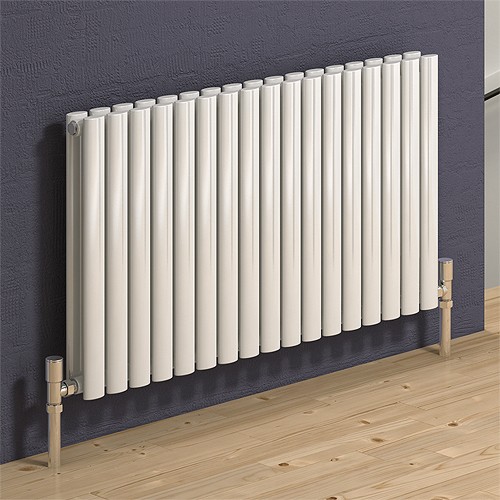
While vertical designs grabbed attention with their dramatic proportions, horizontal aluminium radiators evolved into something far more sophisticated than the dated panel radiators they replaced. Contemporary horizontal designs explore extreme aspect ratios, creating radiators that run long and low beneath windows or along entire wall sections, sometimes measuring three or four meters in length while maintaining depths of just sixty to eighty millimeters.
These ultra-low horizontal designs suit modern architecture beautifully, especially in spaces with floor-to-ceiling windows or minimalist interiors where visual clutter needs eliminating. A sleek horizontal radiator running the full width of a window wall becomes part of the architectural language rather than an afterthought. The long format distributes heat evenly across expansive spaces, preventing the hot and cold spots that plague inadequately specified heating systems.
Some horizontal designs play with geometric complexity, stacking thin horizontal tubes in precise rows that create subtle shadow patterns and textural interest. Others embrace simplicity with single panel designs so slim they practically disappear against the wall while still delivering impressive heat outputs thanks to aluminium’s thermal efficiency. The variety means you’re not locked into a single aesthetic. Choose the design approach that aligns with your interior vision.
Designer horizontal radiators occasionally incorporate mixed materials, combining brushed aluminium sections with wooden trim or glass panels that transform the radiator into a multimedia art piece. These hybrid designs occupy the premium end of the market and won’t suit every interior, but they demonstrate how far radiator design has evolved from purely functional origins. Your heating can be a conversation starter rather than something nobody notices.
Sculptural Centerpieces That Demand Attention
Some aluminium radiators abandon any pretense of trying to blend in and instead announce themselves as focal points. These sculptural designs feature asymmetric layouts, curved profiles, perforated patterns, or abstract forms that prioritize artistic expression alongside heating functionality. They’re not for everyone, and they shouldn’t be. But in the right space, a carefully chosen sculptural radiator can anchor a room’s design the way a statement light fixture or bold artwork does.
Curved aluminium radiators soften angular modern interiors, their flowing lines creating visual contrast against rectilinear furniture and architecture. The curves aren’t just decorative. They increase surface area for better heat distribution while the organic forms feel more inviting than rigid geometric alternatives. These work particularly well in bedrooms, lounges, and spaces where comfort and relaxation matter more than stark minimalism.
Perforated designs transform the radiator’s front panel into a screen of geometric patterns, circles, or custom shapes that cast intriguing shadows when backlit by natural light. The perforations serve dual purposes, creating visual interest while enhancing convection currents that improve heating efficiency. Some manufacturers offer custom perforation patterns, letting you incorporate personal designs or motifs that relate to your home’s overall theme.
The sculptural approach reaches its extreme with abstract radiators that barely register as heating appliances. Spirals, waves, architectural frameworks, and organic forms turn necessary infrastructure into art installations. These premium designs command attention and justify their elevated prices through craftsmanship and uniqueness. They’re investments in your interior aesthetic as much as your heating system, appropriate for design-conscious homeowners who view their homes as expressions of personal style rather than just functional living spaces.
Color and Finish Options That Transform Metal into Magic
Aluminium’s surface accepts a stunning range of finishes that completely alter its appearance and how it interacts with surrounding interiors. The default assumption of white radiators still dominates the market, but exploring beyond white reveals possibilities that can elevate your entire room scheme.
Matte black has become the contemporary classic, especially in industrial-inspired or Scandinavian-minimalist interiors. Black radiators create strong visual anchors that ground light-filled spaces without overwhelming them. The color hides dust and minor marks better than white while the matte finish prevents the aggressive shine of gloss black that can look cheap. Pairing black radiators with natural wood, white walls, and minimal furnishings creates the effortlessly sophisticated aesthetic that Instagram loves but surprisingly few homes achieve well.
Metallic finishes embrace aluminium’s essential nature, celebrating the material rather than disguising it. Brushed aluminium, polished chrome, bronze, and copper tones suit contemporary and industrial interiors where exposed materials and honest construction matter. These finishes catch and reflect light throughout the day, adding subtle animation to static interiors. The metallic approach works particularly well in open-plan living spaces where the radiator remains visible from multiple angles and becomes part of the spatial flow rather than a wall-mounted object.
Anthracite grey occupies middle ground between dramatic black and safe white, offering sophisticated neutrality that complements virtually any color scheme. The grey tones add depth without demanding attention, perfect for homeowners who want something more interesting than white without committing to bold color statements. Anthracite radiators blend seamlessly with both warm and cool color palettes, making them versatile choices if you redecorate frequently.
Bold color options exist for the brave. Deep blues, forest greens, warm terracottas, and even vibrant accent colors let your radiator function as artwork. These work best as intentional design choices coordinated with your overall color scheme rather than random bright objects fighting for attention. A deep blue radiator in a room featuring blue accents in cushions, artwork, and textiles creates cohesion. The same blue radiator in an otherwise neutral beige room just looks confused.
Practical Considerations Behind the Beauty
Design appeal means nothing if your stunning new radiator can’t adequately heat your space. Aluminium radiators heat quickly and efficiently, but they still need proper sizing for your room dimensions, insulation quality, and heating requirements. Many homeowners choose undersized radiators because they fit better aesthetically, then spend winters wearing jumpers indoors while their boiler struggles futilely.
Calculate heat requirements properly before falling in love with specific designs. Most reputable retailers provide BTU calculators or heat loss assessments that factor in room size, window area, insulation levels, and desired temperatures. These calculations might reveal that your dream radiator lacks sufficient output for your space, pushing you toward larger models or alternative designs. Accept these findings rather than hoping insufficient heating will somehow work out. It won’t.
Maintenance requirements remain minimal with aluminium radiators regardless of design complexity. Annual bleeding to release trapped air and occasional dusting keep them functioning optimally. The powder-coated finishes resist scratches and staining better than paint, though direct impacts can chip them. Choosing quality manufacturers means these finishes last for years without degradation or color shift.
Installation costs vary based on design complexity and whether you’re replacing existing radiators or installing in new locations. Straightforward replacements where new radiators connect to existing pipework cost less than situations requiring pipe rerouting or additional valves. Discuss installation during the design selection process so you understand total costs rather than discovering expensive surprises after ordering your chosen radiators.
Conclusion
Modern aluminium radiators have completely transformed heating from a necessary evil into a legitimate design opportunity. The combination of material versatility, efficient performance, and contemporary aesthetics means you no longer need to compromise between effective heating and attractive interiors. Whether you choose slim vertical designs that maximize wall space, sculptural pieces that serve as room focal points, or sleek horizontal models that complement minimalist architecture, options exist that enhance rather than detract from your interior vision.
The key to successful radiator styling lies in treating them as integral design elements from the beginning rather than afterthoughts addressed once everything else is decided. Consider proportions, finishes, and placement alongside furniture, lighting, and color schemes. Choose designs that align with your aesthetic while meeting practical heating requirements. Done thoughtfully, your radiators become assets that elevate your space, proving that even the most functional elements can be beautiful when design and engineering work together.