In the kaleidoscopic world of designer toys, few characters have captured global attention like Labubu, the mischievous and whimsical creature Labubu born from the imagination of Hong Kong-based artist Kasing Lung. What began as a niche creation within the underground art community of Hong Kong has evolved into a worldwide cultural phenomenon, with collectors from Tokyo to Berlin competing to own even a single piece. Labubu’s journey from a local art curiosity to an international icon is a fascinating reflection of how creativity, emotion, and storytelling can transcend borders and languages.
The Origins of a Mischievous Icon
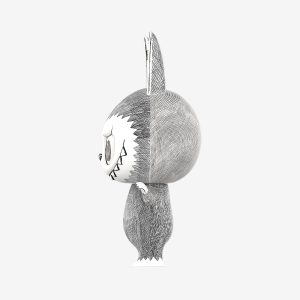
Labubu first emerged from the creative mind of Kasing Lung, an artist deeply inspired by folklore, dreams, and the darker sides of childhood imagination. Lung’s work often explores contrasts — innocence versus chaos, cuteness versus eeriness, humor versus melancholy — and Labubu is the perfect embodiment of that duality. With its sharp-toothed grin, oversized eyes, and strangely lovable expression, Labubu is both unsettling and adorable, an intentional contradiction that challenges conventional ideas of beauty in art and design.
The character was originally introduced through Lung’s illustrations and later brought to life as a collectible figure through collaboration with How2work, a Hong Kong-based designer toy company. The partnership allowed Labubu to transition from paper to three-dimensional vinyl, marking the beginning of what would become a defining era in East Asian art toy culture.
The Rise of Designer Toy Culture in Hong Kong
To understand Labubu’s ascent, it’s essential to consider the broader designer toy movement in Hong Kong and East Asia. Emerging in the late 1990s and early 2000s, this subculture fused fine art, street culture, and pop surrealism. Unlike traditional mass-market toys, designer toys are limited-edition art pieces — often hand-painted, individually numbered, and infused with the artist’s personality and philosophy.
Hong Kong, with its dynamic mix of East and West, became a fertile ground for this movement. The city’s unique blend of urban grit, creative energy, and cultural hybridity nurtured talents like Michael Lau, Eric So, and eventually Kasing Lung. In this environment, Labubu became more than just a collectible — it was a form of artistic expression that resonated with people searching for authenticity in a world dominated by digital imagery and fast consumption.
Kasing Lung’s Storytelling Genius
What truly sets Labubu apart is Lung’s storytelling. Each Labubu release feels like a page from an ongoing fable, set in a surreal universe filled with eccentric creatures and emotional undercurrents. Labubu is not just a toy; it is a character with personality, mood, and mythos. The figure often appears in different guises — pirates, wizards, clowns, or dreamlike monsters — each variant revealing a different facet of its personality.
Lung’s storytelling mastery gives collectors a reason to connect emotionally with Labubu. The character evokes nostalgia, curiosity, and even empathy. There’s a childlike wonder in its wide eyes, yet a hint of mischief that speaks to our inner rebel. Through Labubu, Lung manages to express universal feelings — fear, joy, loneliness, and imagination — in a language everyone understands, regardless of culture or geography.
The Global Breakthrough
While Labubu’s popularity started in Asia, it didn’t take long for the rest of the world to notice. As international toy conventions such as Beijing Toy Show, Thailand Toy Expo, and DesignerCon Los Angeles began featuring Kasing Lung’s works, collectors from across the globe started to take interest.
The collaboration with Pop Mart, the Chinese toy giant known for its blind box collectibles, marked a turning point. Labubu became accessible to a wider audience, with fans eagerly queuing for new releases and trading pieces like fine art. Pop Mart’s marketing reach and distribution network propelled Labubu into the mainstream — transforming a niche art figure into a commercial and cultural icon.
Suddenly, Labubu was no longer confined to art galleries or collector groups. It appeared in shopping malls, lifestyle boutiques, and online marketplaces, inspiring countless social media posts and fan artworks. This rise to fame reflected a global shift in how people view art — as something playful, interactive, and accessible, rather than distant or elitist.
Crossing Cultural Borders
Labubu’s success is a testament to the power of cross-cultural storytelling. Although the character was born in Hong Kong, it resonates universally. In Japan, collectors admire its resemblance to classic anime creatures. In Europe, especially in Germany, Labubu’s eerie charm aligns with the long tradition of dark fairy tales and surreal expressionism. In the United States, it’s celebrated as part of the urban art and designer toy movement that values individuality and rebellion against the mainstream.
The key lies in Labubu’s emotional universality. Its grin may be strange, its form may be quirky, but it speaks to something deeply human — the desire to embrace imperfection, to find beauty in oddness, and to connect with art that feels alive.
Labubu as a Symbol of Artistic Freedom
Kasing Lung’s creation also represents the freedom of artistic expression in a globalized world. In an age when mass production often dilutes creativity, Labubu stands as a reminder that originality still matters. Each version of Labubu carries the artist’s vision, unfiltered and unapologetic. Whether in a limited-edition resin sculpture or a Pop Mart blind box figure, the soul of the character remains intact — raw, emotional, and beautifully strange.
For collectors, owning a Labubu is more than a hobby. It’s a statement about taste, identity, and the value of creativity. Many fans describe their collections as emotional archives — tangible symbols of their own stories and feelings.
The Future of Labubu
As of today, Labubu’s popularity continues to grow, with exhibitions, collaborations, and special editions selling out within minutes. The character has inspired fashion partnerships, art installations, and digital projects, signaling its expansion beyond the realm of toys into the broader cultural landscape.
Looking ahead, Labubu’s evolution shows no signs of slowing down. As new generations of fans discover its charm, the character will likely continue to evolve — adapting to new media, technologies, and artistic forms while staying true to its roots.
Conclusion: A Creature That Connects the World
From the alleys of Hong Kong’s art scene to the shelves of global collectors, Labubu’s story is one of imagination, resilience, and connection. It reminds us that art can take many forms — sometimes cute, sometimes creepy, but always meaningful. Labubu transcends language and culture, speaking to the shared human desire for wonder and self-expression.