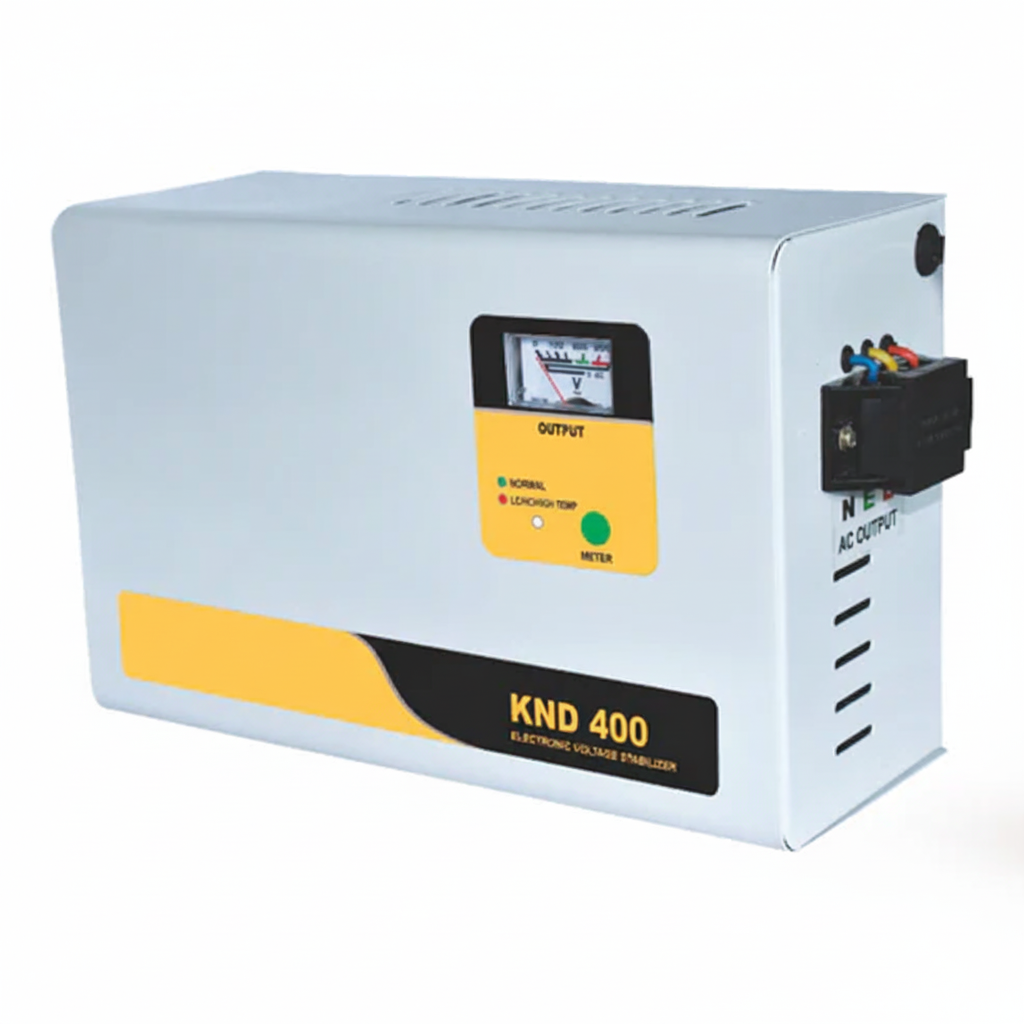
Air conditioners have become essential for comfortable living, especially in regions that face extreme temperatures and unstable power supply. While modern ACs are designed with advanced features to enhance performance and reduce energy consumption, they are still highly vulnerable to one major threat, voltage fluctuations. When the voltage drops too low or spikes too high, the most affected component is the AC compressor. Since the compressor is the heart of the air-conditioning system and also the most expensive part to repair or replace, protecting it becomes a crucial priority. This is where AC stabilizers play a vital role.
AC stabilizers function as protective devices that regulate voltage and ensure your air conditioner receives consistent and safe power. By preventing irregular voltage from reaching the compressor, stabilizers help avoid premature breakdowns, overheating, and expensive repairs. Let’s understand in detail how stabilizers protect your compressor and why they are essential for every household.
Understanding the Role of the Compressor in an AC
Before exploring how stabilizers protect it, it’s important to understand what the compressor does. The compressor is responsible for:
- Compressing the refrigerant
- Maintaining proper pressure levels
- Enabling heat exchange
- Supporting overall cooling efficiency
In short, without a healthy compressor, an AC cannot function. Because of its mechanical and electrical complexity, the compressor is also the most sensitive part of the AC unit. Even minor voltage fluctuations can significantly impact its performance.
How Voltage Fluctuations Damage AC Compressors
Power fluctuations are common in many regions, especially during summer when electricity demand is high. These fluctuations can cause severe stress on the compressor. Here’s how:
1. Low Voltage Issues
When the voltage drops below the required level, the compressor struggles to start and operate. It draws more current in an attempt to function, causing:
- Overheating
- Increased wear and tear
- Tripping of the system
- Motor burnout
Frequent low-voltage episodes eventually cause compressor failure.
2. High Voltage Surges
Sudden spikes in voltage can occur during storms, power grid switching, or abrupt supply restoration. High voltage can:
- Damage insulation around the motor
- Burn internal windings
- Cause instant compressor failure
Such failures often require expensive repairs or full compressor replacement.
3. Fluctuations During Startup
AC compressors require more power at startup. If the voltage fluctuates at that moment, it may cause:
- Hard-starting
- Relay damage
- Excessive load on the motor
Over time, this shortens the compressor’s lifespan.
How AC Stabilizers Prevent Compressor Failure
AC stabilizers provide multiple layers of protection to ensure the compressor receives stable and safe power. They continuously monitor voltage levels and correct them before the electricity reaches the appliance.
1. Voltage Regulation
The primary role of AC stabilizers is to regulate the input voltage and maintain it within a safe operating range. Whether the voltage is too high or too low, the stabilizer adjusts it so the compressor always receives the optimal power required for smooth operation.
2. Overload Protection
Compressors can get damaged when excessive current flows due to prolonged low voltage or heavy load. Stabilizers prevent this by cutting off the power supply during overload conditions.
3. Surge Protection
Lightning strikes and sudden grid surges can severely harm the compressor. Stabilizers act as a shield and absorb unwanted spikes before they reach the AC.
4. Time Delay System
One of the most important features of AC stabilizers is the intelligent time delay. When the power supply is interrupted and restored quickly, the compressor needs time to balance internal pressure. If it restarts immediately, it can cause severe damage.
The stabilizer’s time-delay mechanism ensures:
- The compressor restarts only after an adequate rest time
- Pressure equalizes
- Harmful quick-cycle reboots are prevented
This alone significantly increases compressor lifespan.
5. Smart Low/High Voltage Cut-Off
When the voltage goes beyond the safe limit, stabilizers automatically disconnect the power supply. This prevents:
- Sudden overheating
- Motor burnout
- Instant compressor breakdown
Once the voltage returns to a normal range, the stabilizer restores power safely.
Why AC Stabilizers Are Necessary Even for Inverter ACs
Many people believe inverter ACs do not need stabilizers because they come with built-in voltage protection. However, these protections are often limited. Inverter ACs remain vulnerable to:
- Extreme voltage fluctuations
- Lightning-induced surges
- Frequent power cuts
- Poor wiring conditions
- High load on local grids
An external stabilizer adds a stronger layer of protection and ensures long-term compressor health.
Benefits of Using AC Stabilizers Beyond Protection
Apart from preventing compressor failure, stabilizers also provide several additional advantages:
- Improved cooling performance
- Reduced electricity consumption
- Longer AC lifespan
- Fewer repair and maintenance issues
- Stable operation during peak summer months
- Enhanced safety for the entire AC unit
A small investment in a stabilizer can save thousands in potential repair costs.
Conclusion
The compressor is the most important and delicate part of your air conditioner, and protecting it should be a top priority. Voltage fluctuations are unpredictable and can cause serious damage within seconds. Installing reliable AC stabilizers is one of the most effective ways to safeguard your AC from sudden surges, low voltage issues, and power interruptions. By maintaining stable power supply, offering time-delay protection, and preventing overloads, stabilizers ensure uninterrupted cooling, better performance, and significantly longer compressor life.
For any household dealing with fluctuating power supply, a stabilizer is not just an accessoryit’s a necessity.