
Strong leadership doesn’t happen by accident—it’s developed through awareness, reflection, and continuous improvement. Yet one of the biggest challenges leaders face is understanding how their actions are perceived by others. Self-perception often differs from reality, creating blind spots that can limit effectiveness and growth.
This is where structured feedback systems come into play. Among them, 360-degree feedback has emerged as one of the most powerful tools for developing well-rounded, self-aware leaders.
What Is 360 Feedback?
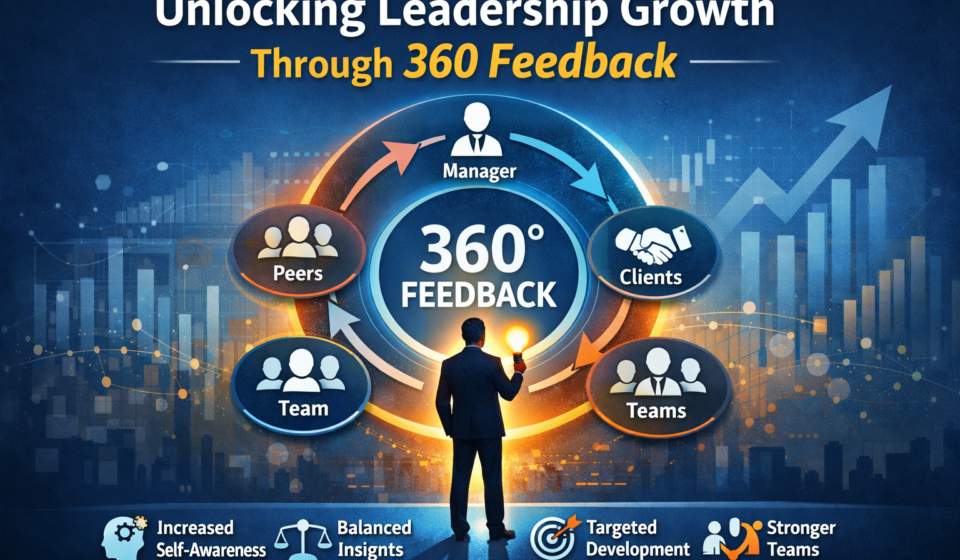
360 feedback is a comprehensive evaluation method that gathers input from multiple perspectives within an organization. Instead of relying solely on a manager’s opinion, it incorporates feedback from:
-
Peers
-
Direct reports
-
Supervisors
-
Sometimes even clients or external partners
This multi-source approach provides a more balanced and accurate view of a leader’s strengths and areas for improvement.
Unlike traditional performance reviews, which can be one-dimensional, 360 feedback captures how individuals are experienced across the organization—offering insights that might otherwise go unnoticed.
Why Traditional Feedback Falls Short
Many organizations still rely heavily on top-down evaluations. While these reviews are important, they often miss critical elements of day-to-day leadership performance.
Common limitations include:
-
Limited perspective: Managers may not see how leaders interact with peers or teams
-
Bias and subjectivity: Personal opinions can influence evaluations
-
Infrequent feedback cycles: Annual reviews don’t capture ongoing behavior
As a result, leaders may not receive the actionable insights they need to improve effectively.
The Value of Multi-Perspective Insights
360 feedback addresses these gaps by offering a more holistic understanding of performance. It highlights patterns and perceptions that a single evaluator might overlook.
Key benefits include:
1. Increased Self-Awareness
Leaders gain a clearer understanding of how their behavior impacts others, helping them identify blind spots and align their intentions with their actions.
2. Balanced Feedback
Receiving input from multiple sources reduces the influence of individual bias and creates a more objective picture.
3. Targeted Development
Insights from 360 feedback make it easier to create personalized development plans focused on specific growth areas.
4. Stronger Team Dynamics
When leaders improve communication and collaboration based on feedback, team performance often improves as well.
How to Implement 360 Feedback Effectively
Introducing 360 feedback into an organization requires thoughtful planning. When done correctly, it can become a powerful driver of growth. When done poorly, it can feel like just another administrative task.
Steps for successful implementation:
-
Define clear objectives Determine whether the goal is leadership development, performance evaluation, or both.
-
Ensure anonymity and trust Participants must feel safe providing honest feedback without fear of repercussions.
-
Use structured, relevant questions Focus on competencies that align with organizational goals and leadership expectations.
-
Provide proper training Help participants understand how to give constructive feedback and interpret results.
-
Follow up with action plans Feedback alone isn’t enough—leaders need guidance on how to apply insights and improve.
Common Mistakes to Avoid
While 360 feedback can be highly effective, there are pitfalls organizations should watch out for:
-
Treating it as a one-time event instead of an ongoing process
-
Overloading participants with too many questions or surveys
-
Failing to act on results, which can reduce trust and engagement
-
Using it purely for evaluation, rather than development
To maximize impact, organizations should position 360 feedback as a growth tool rather than a judgment mechanism.
Creating a Feedback-Driven Culture
For 360 feedback to truly succeed, it must be part of a broader culture of continuous improvement. Organizations that embrace open communication and regular feedback tend to see the greatest benefits.
Characteristics of a feedback-driven culture:
-
Open and transparent communication
-
Emphasis on learning and development
-
Encouragement of constructive dialogue
-
Leadership commitment to growth
When feedback becomes normalized, employees at all levels feel more empowered to contribute to organizational success.
The Role of Technology in Modern Feedback Systems
Advancements in technology have made it easier than ever to implement and manage 360 feedback programs. Digital platforms streamline the process by:
-
Automating survey distribution and data collection
-
Providing real-time analytics and reporting
-
Ensuring confidentiality and data security
-
Offering actionable insights through dashboards
These tools help organizations scale feedback initiatives while maintaining consistency and accuracy.
For businesses looking to better understand and implement structured evaluation systems, exploring resources like 360 feedback can provide valuable guidance on building effective programs that align with leadership development goals.
Conclusion
Leadership growth depends on clarity—and clarity comes from understanding how others experience your leadership. 360 feedback offers a powerful way to uncover insights that traditional methods often miss, enabling leaders to grow with intention and purpose.
By embracing multi-source feedback, organizations can develop stronger leaders, foster better communication, and build more cohesive teams. When implemented thoughtfully, 360 feedback becomes more than just a tool—it becomes a catalyst for lasting organizational improvement.