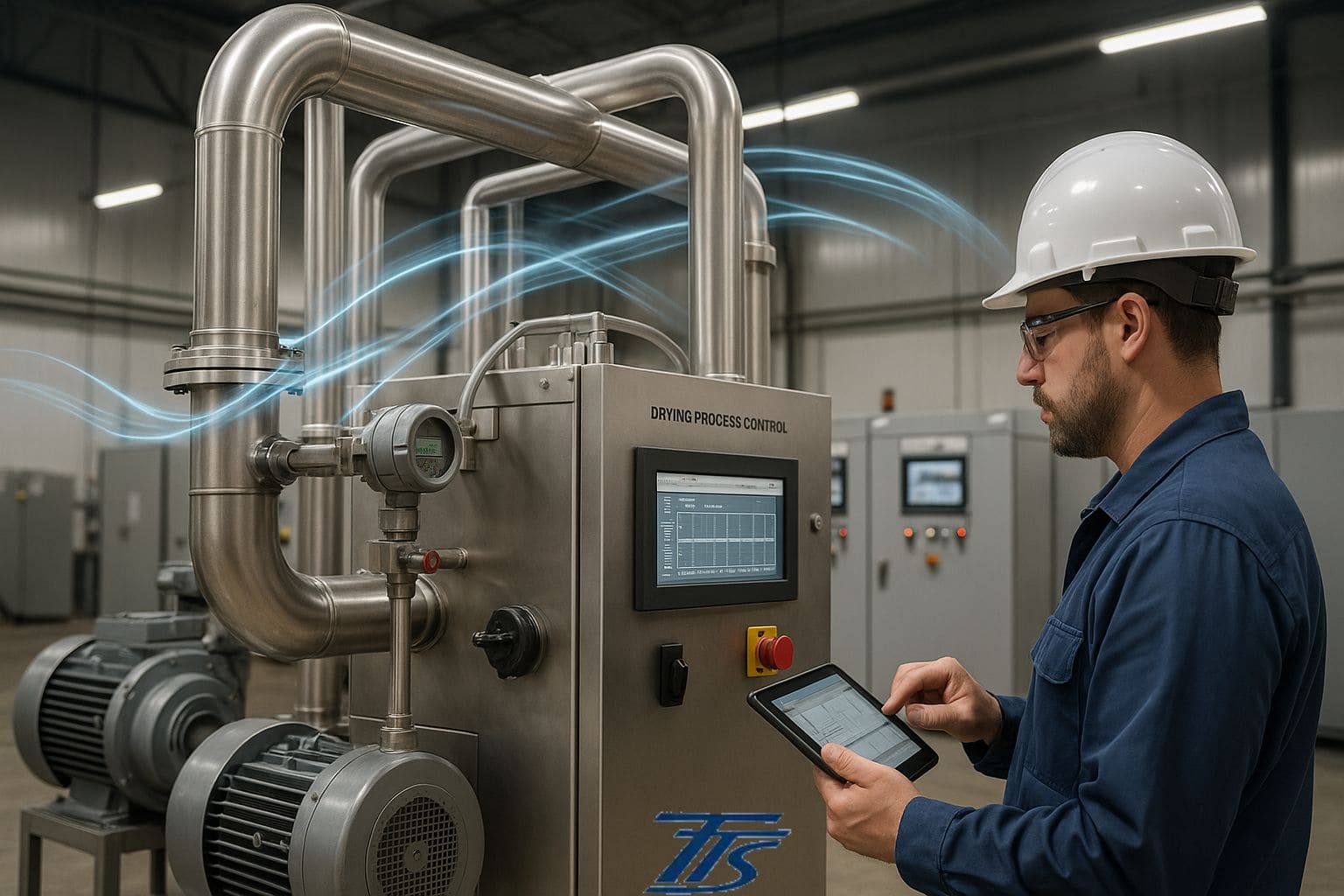
Efficient material handling is one of the most critical components of a smooth-running industrial operation. Whether transporting raw materials, finished goods, packaging components, or bulk solids, conveyors enable streamlined movement across production lines. They reduce manual labor, minimize handling errors, and help facilities achieve consistent workflow efficiency.
For many manufacturers, warehouses, and processing plants, investing in used conveyors offers a practical and cost-effective alternative to buying new systems. Used, unused, and surplus conveyor equipment provides the same durability and performance while helping companies reduce capital expenditure and avoid long lead times.
At JM Industrial, we supply a wide range of used conveyors designed to support different material types, capacities, and layouts. Every unit is inspected, tested, and ready to install — helping facilities upgrade or expand their material handling systems efficiently.
What Are Industrial Conveyors?
An industrial conveyor is a mechanical system that automates the movement of materials from one point to another. Conveyors are used in virtually every industry because they:
-
Improve material flow
-
Increase production speed
-
Reduce manual labor
-
Enhance workplace safety
-
Minimize product damage
-
Support automated processes
Depending on the design, conveyors can move materials horizontally, vertically, or at an incline. They can handle heavy loads, delicate items, powders, granules, solids, or packaged goods — making them one of the most versatile tools in production and logistics environments.
Why Choose Used Conveyors?
1. Significant Cost Savings
Buying used conveyors allows facilities to save 40–70% compared to purchasing new equipment. This frees up capital for other operational or expansion needs.
2. Ready-to-Ship Availability
New conveyors often require weeks or months for manufacturing and delivery. Used equipment is immediately available, helping eliminate downtime and accelerate project timelines.
3. Reliable Performance
Industrial conveyors are built for long-term use. When sourced from a trusted supplier, used conveyors continue to provide dependable performance for years.
4. Environmentally Friendly
Choosing used equipment supports sustainability by reducing waste and extending the service life of existing machinery.
5. Flexibility in System Integration
Used conveyors can be easily integrated into existing production lines, making them ideal for:
-
System upgrades
-
Line expansions
-
Replacement of damaged units
-
Temporary installations
Their compatibility and ease of installation make them valuable for both small and large facilities.
Types of Used Conveyors Available
Different industries require specific conveyor designs based on material type and processing needs. JM Industrial offers a broad selection of used conveyors, including:
• Belt Conveyors
The most common conveyor type — uses a continuous belt to move materials. Suitable for packaged goods, bulk solids, and assembly operations.
• Screw Conveyors
Use a helical screw inside a tube or trough to transport materials like powders, granules, flakes, or sludge. Popular in chemical, agricultural, and food processing industries.
• Chain Conveyors
Built with heavy-duty chains and slats or attachments to carry large or high-temperature items. Ideal for automotive, foundry, or metal industries.
• Roller Conveyors
Feature rollers arranged horizontally to move boxes, containers, or pallets. Used widely in warehousing, packaging, and assembly lines.
• Vibratory Conveyors
Move materials gently through controlled vibrations. Common in food processing, aggregate handling, and applications requiring precise flow control.
• Bucket Elevators
Used for vertical lifting of materials such as grains, minerals, powders, or pellets.
• Pneumatic Conveyors
Transport fine materials or powders using air pressure or vacuum. Essential in plastic production, chemical processing, and food manufacturing.
• Drag Conveyors
Use paddles or flights to drag materials through an enclosed housing. Suitable for abrasive or high-density materials.
Each type offers unique benefits depending on material flow, temperature, abrasiveness, and production volume.
Industries That Use Used Conveyors
Used conveyors play a vital role in industries such as:
-
Food processing
-
Agriculture and grains
-
Pharmaceuticals
-
Chemical manufacturing
-
Plastics and rubber
-
Mining and aggregate
-
Packaging and logistics
-
Recycling and waste management
-
Automotive and metal fabrication
Their versatility makes conveyors one of the most critical capital assets for industrial operations.
Benefits of Using Industrial Conveyors
1. Enhanced Productivity
Automating material movement boosts throughput and reduces bottlenecks.
2. Consistent Material Flow
Conveyors maintain steady, reliable movement of materials, improving production stability.
3. Reduced Labor Costs
Automated systems require fewer manual handling steps, lowering labor expenses and minimizing workplace injuries.
4. Improved Safety
Conveyors reduce the need for lifting, carrying, or transporting materials manually, resulting in safer working environments.
5. Versatile Applications
From lightweight components to heavy loads and bulk solids, conveyors can handle almost any type of industrial material.
6. Low Maintenance Requirements
Most conveyor types require minimal upkeep, especially when maintained properly.
Key Factors to Consider When Buying a Used Conveyor
To ensure the right fit for your application, consider:
-
Material type: dry, wet, abrasive, hot, fragile
-
Conveyor speed and capacity requirements
-
System layout: horizontal, incline, decline, or vertical
-
Belt or chain width and length
-
Construction materials: stainless steel for sanitary settings, carbon steel for general use
-
Drive type: powered or gravity
-
Safety features and guarding requirements
-
Condition of belts, rollers, motor, and frame
JM Industrial provides detailed specifications, condition reports, and photos to help you select the ideal conveyor for your operation.
Maintenance Tips for Long-Lasting Conveyor Performance
Regular maintenance ensures smooth operation and helps prevent unexpected downtime. Key steps include:
-
Inspect belts, rollers, and motors regularly
-
Keep the system clean to avoid blockages
-
Lubricate bearings and moving parts
-
Monitor alignment and tension of belts or chains
-
Replace worn-out components promptly
-
Check for unusual noise or vibration
Consistent upkeep prolongs equipment life and maintains operational efficiency.
Why Buy Used Conveyors from JM Industrial?
JM Industrial is a trusted supplier of high-quality used process equipment. When purchasing used conveyors from us, you get:
-
A wide selection of belt, roller, screw, chain, and vibratory conveyors
-
Units inspected and tested for performance
-
Transparent product documentation
-
Ready-to-ship equipment
-
Competitive pricing
-
Expert support to help choose the best system
Our inventory is sourced from reputable manufacturers known for long-lasting industrial equipment.
Conclusion
Used conveyors offer a reliable, affordable, and efficient solution for industrial material handling needs. They enhance production flow, reduce labor, and support safer operations — all while offering significant cost savings compared to new equipment.
With quick availability, strong performance, and flexibility across industries, used conveyors remain a smart investment for facilities aiming to improve throughput without increasing capital burden.
JM Industrial provides high-quality used conveyors that are ready for integration, ensuring smooth, uninterrupted workflow across your production or processing environment.