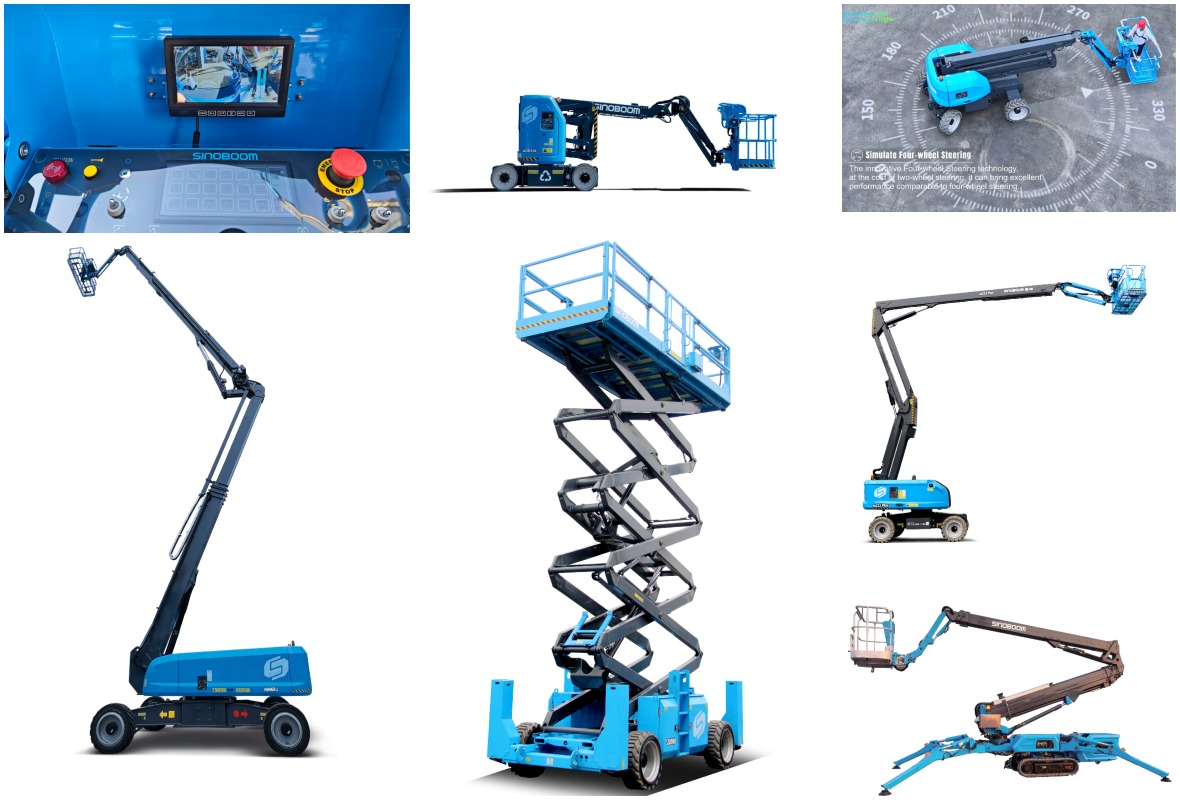
Lifting and access equipment has undergone significant transformation in recent years, driven by advancements in technology, safety regulations, and sustainability goals. Industries such as construction, warehousing, maintenance, and infrastructure now rely on smarter, safer, and more efficient equipment to meet growing demands. Modern innovations focus on improving productivity while reducing risks for operators and site managers. From digital monitoring to eco-friendly power solutions, today’s equipment is more advanced than ever. These developments help businesses reduce downtime, enhance compliance, and lower operational costs. Understanding these innovations is essential for companies looking to stay competitive and safe.
Understanding Lifting and Access Equipment
What Is Lifting and Access Equipment?
Lifting and access equipment refers to machinery designed to raise people, tools, or materials to elevated areas safely. Common examples include scissor lifts, boom lifts, cherry pickers, forklifts, and access platforms. These machines are widely used across construction sites, warehouses, factories, and maintenance operations. Their primary function is to provide safe access to heights that would otherwise pose a risk to workers. Modern equipment is engineered for stability, precision, and ease of operation. As work environments become more complex, the role of advanced lifting solutions continues to grow.
Why Innovation Matters
Innovation in lifting and access equipment plays a vital role in improving workplace safety and efficiency. Advanced technologies help reduce accidents by minimizing human error and enhancing machine control. Innovations also lead to faster setup times and smoother operation, increasing overall productivity. Energy-efficient designs reduce fuel consumption and emissions, supporting sustainability goals. Additionally, smart systems enable predictive maintenance, lowering unexpected breakdowns. These improvements ensure businesses remain compliant, competitive, and future-ready.
Smart and Connected Equipment
IoT Integration
The integration of Internet of Things (IoT) technology has revolutionized lifting and access equipment management. Sensors embedded in machines collect real-time data on usage, load capacity, and operating conditions. This data allows operators and managers to monitor performance remotely. Predictive maintenance alerts help prevent costly breakdowns before they occur. Fleet tracking improves asset utilization and reduces idle time. Overall, IoT enhances operational control and extends equipment lifespan.
Data-Driven Safety Features
Modern equipment now uses data analytics to improve on-site safety. Load sensors automatically detect overloading and prevent unsafe lifting operations. Intelligent systems can shut down equipment when hazardous conditions are detected. Real-time alerts notify operators of instability or improper usage. These features significantly reduce accident risks on busy sites. By relying on data-driven decisions, companies can maintain safer working environments.
Electrification and Sustainable Solutions
Rise of Electric and Hybrid Machines
Electric and hybrid lifting equipment is rapidly replacing traditional diesel-powered machines. Battery-powered lifts offer quieter operation, making them ideal for indoor and urban environments. They produce zero emissions, supporting environmental regulations and sustainability targets. Modern batteries provide longer runtimes and faster charging. Hybrid options offer flexibility for mixed indoor and outdoor use. These solutions help businesses reduce fuel costs while improving site conditions.
Renewable Energy Integration
Renewable energy integration is an emerging trend in lifting and access equipment. Some machines now incorporate solar-assisted charging systems for remote or off-grid locations. Energy-efficient components reduce overall power consumption. Smart charging stations optimize battery health and performance. These innovations help reduce dependency on fossil fuels. As sustainability becomes a priority, renewable-powered equipment continues to gain traction.
Autonomous and Semi-Autonomous Features
Driverless Lifts and Robotics
Autonomous lifting solutions are transforming material handling and access operations. These machines can navigate predefined paths without constant operator input. They are particularly useful in warehouses and large industrial sites. Automation reduces human error and improves consistency. Advanced sensors ensure safe movement around obstacles and workers. Driverless technology enhances efficiency while lowering labor risks.
Assisted Control Systems
Semi-autonomous systems support operators by enhancing machine stability and control. Features such as automatic leveling and height adjustment improve precision. These systems reduce operator fatigue during long shifts. Assisted controls help maintain safe positioning at elevated heights. Intelligent software ensures smooth and controlled movements. As a result, productivity increases without compromising safety.
Enhanced Safety Innovations
Advanced Fall Protection
Fall protection technology has advanced significantly in modern lifting equipment. Proximity sensors alert operators when they are too close to edges or obstacles. Intelligent harness systems ensure proper attachment before operation begins. Automatic lock mechanisms activate in emergency situations. These features drastically reduce fall-related accidents. Enhanced safety systems build confidence for operators working at height.
AI-Enabled Hazard Detection
Artificial intelligence is now being used to identify potential hazards in real time. Computer vision systems detect unsafe behaviors or site conditions. AI can recognize obstacles, uneven ground, or unauthorized access zones. Instant alerts help operators react quickly to danger. Automated responses can stop equipment if risks escalate. This technology adds an extra layer of site-wide safety.
Ergonomics and User Experience
Operator Comfort Technologies
Modern lifting equipment prioritizes operator comfort to boost performance. Ergonomic seating and adjustable controls reduce physical strain. Vibration reduction systems improve long-term health for operators. Touchscreen interfaces simplify machine operation. Clear displays provide essential performance data instantly. Comfortable operators work more efficiently and make fewer errors.
Virtual and Augmented Reality (VR/AR)
VR and AR technologies are transforming training and maintenance processes. VR simulators allow operators to practice in a risk-free environment. AR tools provide real-time guidance during operation or repairs. These technologies reduce training time and errors. They also improve understanding of complex machinery. As a result, workforce readiness and safety standards improve.
Modular and Adaptive Designs
Scalable Lift Platforms
Modular lifting platforms offer flexibility for different job requirements. Adjustable heights and extensions allow customization on-site. Components can be added or removed quickly. This adaptability reduces the need for multiple machines. Modular designs also simplify transport and storage. Businesses benefit from cost-effective and versatile solutions.
Multi-Purpose Access Solutions
Multi-functional equipment combines several tasks into one machine. Some lifts offer integrated tool storage or material handling features. Interchangeable attachments expand usability across projects. These designs maximize return on investment. They also reduce equipment clutter on sites. Versatile machines improve workflow efficiency.
Safety Compliance and Digital Documentation
Digital Inspection Records
Digital inspection systems streamline compliance and reporting. QR codes and mobile apps replace paper checklists. Inspection data is stored securely and accessed instantly. Automated reminders ensure timely safety checks. This reduces administrative burden and human error. Digital documentation supports audits and regulatory compliance.
Regulatory Standards and Innovation Alignment
Modern equipment is designed to meet strict safety standards such as ISO and ANSI. Innovations often exceed minimum compliance requirements. Built-in compliance features reduce legal risks. Manufacturers continuously update designs to reflect changing regulations. This ensures long-term reliability and trust. Compliance-focused innovation protects both workers and businesses.
Why FERAQuip
FERAQuip stands out as a trusted provider of modern lifting and access equipment solutions. The company offers a wide range of innovative machines designed for safety, efficiency, and reliability. FERAQuip prioritizes advanced technology, ensuring clients benefit from the latest industry developments. Their equipment is rigorously maintained to meet high safety standards. Expert support and guidance help customers choose the right solution for their projects. With a focus on quality and performance, FERAQuip delivers dependable lifting solutions across industries.
Conclusion
Innovations in lifting and access equipment are reshaping how industries operate at height. Smart technology, sustainable power, automation, and enhanced safety features are setting new standards. These advancements improve productivity while reducing risk and environmental impact. Businesses that invest in modern equipment gain long-term operational advantages. Choosing reliable providers ensures access to the latest solutions. Embracing innovation is key to safer, more efficient work environments.
FAQs
What is the biggest innovation in lifting equipment today?
Smart, connected systems with IoT and safety automation are the biggest advancements.
Are electric lifts suitable for outdoor use?
Yes, many modern electric and hybrid lifts are designed for both indoor and outdoor environments.
How does AI improve lifting equipment safety?
AI detects hazards in real time and alerts operators before accidents occur.
Is modern lifting equipment more cost-effective?
Yes, reduced fuel costs, lower maintenance, and improved efficiency make it more economical.
Why choose FERAQuip for lifting and access equipment?
FERAQuip offers advanced, well-maintained equipment with expert support and reliable service.
