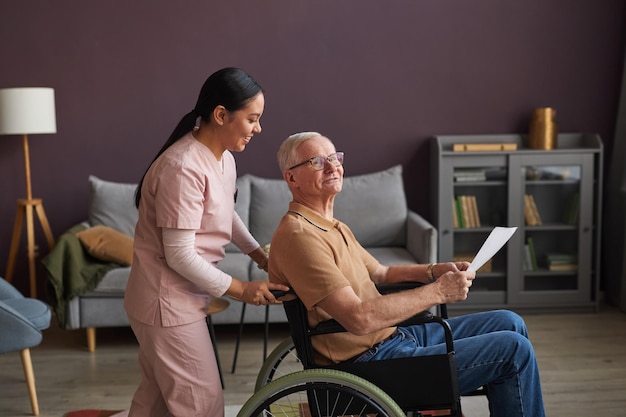
Home healthcare has become one of the most in-demand services across the UAE, especially in cities like Dubai and Abu Dhabi where busy schedules, long commutes, and growing awareness of personalized care have reshaped how people think about medical services. The concept is simple: instead of visiting a clinic or hospital for routine checkups, tests, or treatments, qualified medical professionals come directly to your home. This shift toward comfort and convenience has made healthcare more accessible and less stressful for families, professionals, and the elderly alike.
But what exactly should you expect when booking a home healthcare service in the UAE? From booking and preparation to the actual visit and follow-up care, here’s a clear breakdown of how it works and why so many residents are choosing this option.
1. Easy Booking and Quick Response
Most home healthcare providers in the UAE have streamlined their booking process. You can typically schedule an appointment through a website, mobile app, or customer support hotline. The process is designed to be fast—many providers can confirm appointments within an hour or even less, depending on your location and service type.
You’ll usually be asked to provide your name, contact details, location, preferred time, and the specific service you need. Some companies also allow you to specify whether you want a male or female healthcare professional, especially for cultural comfort or privacy reasons.
Once your request is submitted, a nurse or representative often calls to confirm details and ensure they understand your needs. For example, if you’re requesting a blood test, they may confirm if you need fasting before the sample collection. The goal is to ensure a smooth, efficient visit without surprises.
2. Professional and Licensed Medical Staff
Home healthcare in the UAE is strictly regulated. All providers must operate under licenses issued by local health authorities such as the Dubai Health Authority (DHA) or the Department of Health – Abu Dhabi (DOH).
When a nurse, doctor, or physiotherapist arrives at your home, they are typically trained professionals with verifiable credentials. You can always ask to see their identification or license card for peace of mind.
Most home healthcare teams are experienced in working outside traditional clinic settings. They bring portable equipment, follow hygiene protocols, and are trained to maintain patient comfort and safety in home environments. Many also speak multiple languages, which is a great help in the UAE’s multicultural setting.
3. A Wide Range of Services
The scope of home healthcare has grown well beyond basic nursing or post-surgery care. Today, providers offer a full suite of services, including:
-
Blood tests and lab sample collection
-
Physiotherapy and rehabilitation
-
Wound care and injections
-
Elderly care and long-term monitoring
-
Medication management and IV therapy
-
Doctor-on-call consultations
-
Prenatal and postnatal care
Some even offer specialized diagnostics, such as Doctor on call in dubai, which became especially popular during and after the pandemic. This type of service allows patients to get tested quickly without exposure to crowded facilities, showing how far home-based medical care has advanced in both convenience and safety.
4. Hygiene and Safety Standards
One of the main concerns people have when inviting healthcare professionals into their homes is cleanliness and safety. In the UAE, medical service providers are required to follow strict hygiene protocols.
You’ll notice that visiting staff wear masks, gloves, and sometimes additional protective gear, depending on the procedure. They sanitize all equipment before and after use, and they properly dispose of medical waste using sealed containers.
Reputable companies also maintain records of sterilization and staff health checks to ensure safety for both patients and caregivers. These standards reflect the UAE’s strong emphasis on maintaining world-class healthcare practices at every level.
5. Transparent Pricing and Insurance Coverage
Pricing can vary depending on the provider, location, and type of service, but transparency is key. Before confirming your booking, you’ll typically receive a quote or service package outlining the costs. Some providers charge per visit, while others offer bundled or monthly care plans for ongoing treatment.
In many cases, insurance coverage applies to home healthcare, especially for medical services like lab tests, physiotherapy, or chronic care management. It’s always best to check with both your insurance company and the healthcare provider to confirm eligibility.
Many leading providers in Dubai and Abu Dhabi also accept direct billing for certain insurance plans, which means you won’t need to pay upfront. This convenience has helped home healthcare become more accessible to families and working professionals.
6. Customized and Patient-Centered Care
The biggest advantage of home healthcare is personalization. Unlike hospitals or clinics, where appointments can feel rushed, home visits give healthcare professionals more time to understand the patient’s condition, environment, and comfort level.
For example, a physiotherapist might assess how a patient moves around their home to recommend better exercise techniques or small changes that reduce strain. A nurse managing elderly care can identify fall risks or suggest improvements to make the home safer.
This personal connection also builds trust. Over time, patients often develop long-term relationships with their visiting healthcare team, creating a consistent and reassuring care experience.
7. Technology Integration and Digital Health Records
Many UAE-based home healthcare providers now use digital platforms to manage bookings, patient history, and lab reports. After a visit, you might receive your test results directly through a secure online portal or app.
Digital systems also allow doctors and nurses to track progress over time. If you’re receiving ongoing care, such as wound management or physical therapy, your improvement can be documented in detail, making it easier to adjust treatment plans.
This integration of healthcare and technology has made the experience smoother and more transparent for patients, giving them greater control over their health data and decisions.
8. Follow-Up and Aftercare Support
Home healthcare doesn’t end when the professional leaves your home. Most reputable providers include follow-up care in their service plans. This could mean a phone call to check your condition after a procedure, a reminder for upcoming visits, or coordination with your family doctor for further treatment.
Some companies even offer 24/7 helplines or WhatsApp support for urgent questions. This continuity of care ensures that patients always have someone to reach out to, which is especially valuable for elderly individuals or those managing chronic conditions.
9. Suitable for All Ages and Lifestyles
Home healthcare isn’t limited to the elderly or the sick. It’s ideal for a wide range of people:
-
Busy professionals who can’t take time off for routine checkups.
-
Families with children who prefer at-home vaccinations or pediatric care.
-
Expecting mothers who need prenatal visits without the hassle of traveling.
-
Individuals recovering from surgery or illness who need consistent follow-up.
-
Frequent travelers who require quick medical tests or documentation before flights.
This versatility is one reason the demand for at-home healthcare continues to grow rapidly across the UAE.
10. Choosing the Right Provider
Before booking any service, take time to research your options. Look for:
-
Valid DHA or DOH licensing
-
Positive online reviews and client feedback
-
Transparent pricing and clear service descriptions
-
Qualified staff with medical certifications
-
Responsive customer service
You can also ask for recommendations from friends, family, or coworkers who have used similar services. Choosing a trusted provider ensures you receive safe, professional, and efficient care without unnecessary complications.
Final Thoughts
Home healthcare in the UAE has transformed the way people access medical support. Whether you need routine tests, post-surgery care, or simply prefer the comfort of being treated at home, the system is designed to make healthcare easier, faster, and more personalized.
As technology and regulation continue to evolve, residents can expect even higher standards of service in the coming years. For many, the convenience, privacy, and reliability of at-home care have become essential parts of modern living in Dubai and beyond.