Introduction
When Ksubi Clothing Becomes Culture. There are clothing brands, and then there are cultural signals. Ksubi doesn’t just fall into the second category—it practically lives there. When someone pulls on a pair of Ksubi jeans or throws on one of their raw, unapologetic tees, they’re not just getting dressed. They’re making a quiet statement that somehow speaks loudly. It says something about independence, rebellion, and a refusal to be polished for the sake of fitting in. That’s the magic trick Ksubi has mastered over the years—turning everyday clothing into a wearable mindset.
Fashion usually follows rules. Trends rise, trends fall, and most brands chase whatever is hot at the moment. Ksubi never really played that game. Instead, it carved out its own lane, messy edges and all. The rips, the distressing, the uneven washes—these aren’t accidents. They’re deliberate choices that mirror real life. Life isn’t clean. Culture isn’t symmetrical. And Ksubi leans into that truth harder than most.
What makes Ksubi fascinating isn’t just how it looks, but how it feels to wear. There’s an emotional weight to it. People don’t just buy Ksubi Clothing because it’s stylish—they buy it because it resonates. It reflects a certain defiance, a sense of self, and an understanding that perfection is boring. Over time, that connection has transformed the brand from a fashion label into a cultural artifact, especially among youth, artists, skaters, and musicians.
When clothing starts to represent identity instead of aesthetics, it crosses an invisible line. That’s the moment when fashion stops being seasonal and starts being cultural. Ksubi crossed that line years ago, and it hasn’t looked back since.
The Birth of Ksubi: From Sydney Streets to Global Stages
Ksubi didn’t arrive with a polished press release or a carefully manicured brand story. It came crashing in through the side door, loud, imperfect, and unapologetically raw. The brand was born in Sydney at the turn of the millennium, created by a group of friends who were more interested in art, music, and chaos than traditional fashion success. That origin story matters because you can still feel it stitched into every seam. Ksubi wasn’t designed to impress fashion editors—it was designed to disrupt.
The Early Days and Founders’ Vision
In the beginning, Ksubi was fueled by frustration. Frustration with safe fashion, with predictable silhouettes, with the idea that clothing had to look “finished.” The founders wanted garments that felt lived-in, worn-out, and emotionally charged. They weren’t chasing luxury; they were chasing honesty. Early runway shows were more like performance art than fashion presentations, often leaving audiences confused or shocked. But confusion was the point. Ksubi wanted people to feel something, even if that feeling was discomfort.
Those early collections featured slashed denim, exposed seams, and silhouettes that refused to flatter in conventional ways. Instead of hiding flaws, Ksubi highlighted them. That philosophy resonated deeply with a generation that felt overlooked by glossy fashion ideals. The brand quickly gained a cult following—not because it tried to be cool, but because it didn’t care whether it was cool or not.
DIY Roots and Anti-Establishment Energy
Ksubi’s DNA is deeply DIY. Before social media made “authenticity” a marketing buzzword, Ksubi was actually living it. Hand-distressing jeans, experimenting with washes, and intentionally breaking construction rules gave the clothing a handmade, almost rebellious feel. It felt closer to punk zines and underground gigs than high-end boutiques.
That anti-establishment energy became contagious. Wearing Ksubi felt like quietly flipping the bird to mainstream fashion. It said, “I don’t need approval.” Over time, that attitude traveled far beyond Australia, landing in New York, Los Angeles, Tokyo, and beyond. What started as a local rebellion evolved into a global language spoken by people who valued individuality over conformity.
Ksubi’s Design Philosophy: Chaos with Intent
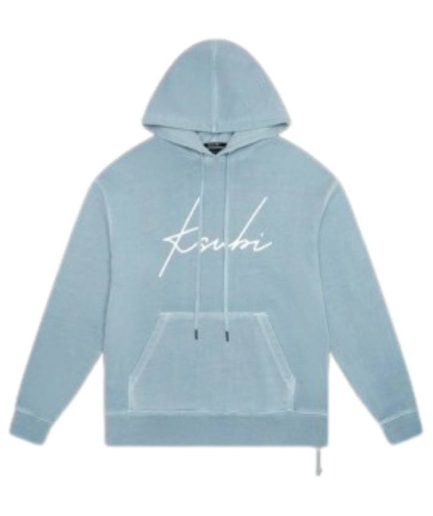
At first glance, Ksubi might look chaotic. Rips where rips “shouldn’t” be, prints that feel aggressive, silhouettes that challenge traditional proportions. But look closer, and you’ll notice something important—nothing is random. Every tear, every fade, every off-kilter detail is intentional. That’s where Ksubi Hoodie separates itself from brands that simply imitate distressing as a trend.
Distressed Denim as a Statement
Distressed denim isn’t new, but Ksubi transformed it from a style choice into a statement. Their jeans don’t look gently worn—they look lived through. Like they’ve seen late nights, bad decisions, road trips, and moments that changed you. That storytelling quality is powerful. People don’t just wear Ksubi denim; they bond with it.
The distressing feels emotional, almost human. It mirrors the idea that wear and tear aren’t flaws—they’re proof of experience. In a world obsessed with perfection, Ksubi’s denim quietly argues that damage can be beautiful.
Imperfection as Identity
Ksubi treats imperfection like a badge of honor. Uneven hems, raw edges, faded graphics—these details reject factory-line uniformity. That approach makes every piece feel personal, even when produced at scale. No two wears look exactly the same because the clothing evolves with the wearer.
That philosophy taps into something deeper than fashion. It reflects how people see themselves today—complex, unfinished, and constantly changing. Ksubi doesn’t try to “fix” that. It celebrates it.
Symbolism Behind Graphics and Cuts
From sharp typography to aggressive imagery, Ksubi’s graphics often feel confrontational. They’re not designed to please everyone. Cuts are often oversized, cropped, or intentionally awkward, challenging the idea that clothing must always flatter. Instead, it asks a different question: does this feel like you? That mindset turns design into dialogue. Ksubi doesn’t talk at its audience—it talks with them
Denim That Speaks: How Ksubi Redefined Jeans
Jeans are one of the most universal pieces of clothing on the planet. Everyone wears them, which is exactly why redefining them is so difficult. Ksubi didn’t just tweak denim—they challenged what jeans were supposed to represent. Instead of being a safe, everyday staple, Ksubi jeans became expressive, emotional, and sometimes even confrontational. They didn’t blend in. They demanded to be noticed.
The Rise of the Signature Denim
Ksubi’s rise is inseparable from its denim. From skinny fits that hugged the leg like a second skin to baggier silhouettes that echoed skate culture, the brand consistently stayed ahead of the curve without chasing trends. Their signature denim often featured heavy distressing, blowouts at the knees, exaggerated fades, and raw hems. These weren’t “worn-look” jeans—they looked like they had lived a life before reaching the store.
What made them special was the consistency of attitude. Even as fits evolved, the underlying energy stayed the same. Ksubi jeans always felt rebellious, slightly dangerous, and undeniably cool. That consistency built trust. People knew what they were getting—not just a pair of jeans, but a feeling.
Why Ksubi Jeans Feel Personal
There’s something intimate about Ksubi denim. The way it molds to the body over time, the way the distressing expands and fades—it feels collaborative. The brand starts the story, but the wearer finishes it. Each crease, rip, and stain becomes a memory, turning the jeans into a personal archive.
This emotional connection is rare in fashion. Most clothing is disposable. Ksubi jeans, on the other hand, often stay in wardrobes for years. They’re repaired instead of replaced. That longevity deepens loyalty and reinforces the idea that Ksubi isn’t about fast consumption—it’s about lived experience.
From Skinny to Baggy: Evolution Over Trends
While many brands panic when trends shift, Ksubi adapts without losing its identity. When skinny jeans dominated, Ksubi made some of the most iconic versions on the market. When the pendulum swung back to baggier fits, Ksubi was already there, offering relaxed silhouettes that still felt intentional and sharp.
This ability to evolve without selling out is key to Ksubi’s cultural relevance. The brand doesn’t follow trends—it interprets them through its own lens. That’s why, regardless of fit, Ksubi denim always feels like Ksubi.
Ksubi and Street Culture: A Natural Alliance
Street culture isn’t something you can fake. It’s built on authenticity, community, and shared experience. Ksubi didn’t align itself with street culture—it emerged from it. The brand’s roots in skate, punk, and underground music scenes gave it credibility long before “streetwear” became a billion-dollar industry.
Skate, Punk, and Underground Influences
You can see skate culture in Ksubi’s relaxed fits and durable fabrics. Punk shows up in the ripped denim, aggressive graphics, and anti-authority attitude. Underground music influences the mood—dark, raw, and emotionally charged. These influences aren’t references; they’re foundations.
Ksubi clothing feels like it belongs on the street, not on a pedestal. It’s meant to be worn hard, scuffed up, and lived in. That practicality, combined with attitude, makes it resonate deeply with people who value function as much as expression.
Clothing as Rebellion
For many, wearing Ksubi is an act of rebellion—subtle, but powerful. It rejects mass-produced sameness and embraces individuality. It’s not about standing out loudly; it’s about standing firm in who you are. That’s a big reason why creatives, skaters, and musicians gravitate toward the brand.
Ksubi doesn’t scream for attention, but it doesn’t whisper either. It exists in that sweet spot where confidence speaks for itself. Over time, Ksubi became more than clothing—it became a lifestyle signal. Wearing it suggests a certain worldview: independent, creative, slightly rebellious, and uninterested in fitting neatly into boxes. That’s culture, not marketing. Read More….

