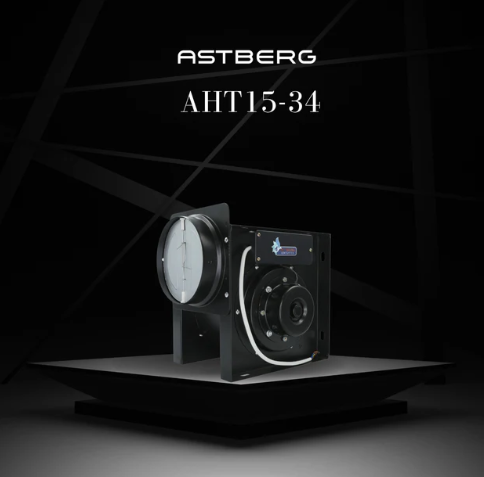
A modern kitchen is more than just a place to cook—it’s the heart of the home. From preparing daily meals to hosting family gatherings, this space experiences constant use. While appliances, countertops, and cabinets often take center stage in kitchen design, one feature that’s essential for maintaining a healthy and comfortable cooking environment is often overlooked: the ventilation fan. Installing a high-quality kitchen ventilation fan is not just about comfort—it’s about safety, cleanliness, and preserving the longevity of your kitchen.
Understanding the Importance of a Ventilation Fan
Cooking generates heat, steam, smoke, and odors, which can linger in your kitchen if not properly managed. A ventilation fan works to extract these pollutants, improving air quality and preventing the buildup of grease and moisture. Without effective ventilation, kitchens can quickly become stuffy and uncomfortable, and the risk of mold, mildew, and even structural damage increases due to excess moisture.
Modern homes are often more airtight for energy efficiency, which means natural airflow may be insufficient. In such settings, a kitchen fan becomes a necessity rather than a luxury, ensuring that air circulates properly and pollutants are efficiently removed.
Benefits of Installing a High-Quality Kitchen Ventilation Fan
1. Improved Air Quality
The primary function of a kitchen ventilation fan is to remove airborne contaminants. Smoke, cooking odors, and airborne grease particles can reduce indoor air quality if left unfiltered. A properly installed ventilation fan keeps the air fresh, making the kitchen environment more pleasant and healthier for everyone in the household.
2. Temperature Control
Cooking generates significant heat, especially when using ovens, stoves, and other appliances simultaneously. A ventilation fan helps regulate temperature by removing excess heat, ensuring your kitchen stays comfortable even during long cooking sessions. This is particularly beneficial in smaller kitchens where heat can accumulate quickly.
3. Protection Against Moisture Damage
Steam from boiling, simmering, and washing dishes can lead to condensation on walls, ceilings, and cabinets. Over time, this moisture can promote mold growth and damage surfaces. A kitchen fan effectively removes excess moisture, protecting your kitchen’s structural integrity and saving you costly repairs.
4. Reduction of Odors
From strong spices to fish or fried foods, cooking can leave lingering odors that permeate the entire house. High-quality kitchen ventilation fans trap and expel these odors, ensuring that your home smells fresh and inviting, even after intense cooking sessions.
5. Enhanced Kitchen Longevity
Grease and smoke particles not only affect air quality but also settle on walls, cabinets, and appliances, causing discoloration and wear over time. By using a ventilation fan, you reduce the accumulation of these residues, helping maintain your kitchen’s appearance and functionality for years to come.
Features to Look for in a Modern Kitchen Ventilation Fan
Choosing the right ventilation fan involves considering several factors to ensure optimal performance and durability. Here are some key features:
-
CFM Rating: The cubic feet per minute (CFM) rating indicates the airflow capacity. Higher CFM is ideal for larger kitchens or heavy cooking areas.
-
Noise Level: Modern fans are designed for quieter operation. Look for units with low sone ratings for a pleasant cooking environment.
-
Filter Type: Grease filters are essential for trapping oil particles. Aluminum mesh filters are common, while some high-end models offer washable filters for easy maintenance.
-
Energy Efficiency: Opt for fans with energy-efficient motors to reduce electricity consumption without compromising performance.
-
Lighting Options: Many kitchen fans come with built-in lights, providing additional task lighting over cooking surfaces.
Installation Considerations
Professional installation is recommended for most kitchen ventilation fans, especially ducted systems that vent air outside. Proper installation ensures the fan operates at maximum efficiency and reduces the risk of air leaks. For ductless or recirculating fans, ensure the filters are correctly installed and replaced regularly to maintain performance.
Maintenance Tips for Longevity
Regular maintenance of your kitchen ventilation fan ensures optimal performance and longevity:
-
Clean or replace filters monthly or as recommended by the manufacturer.
-
Wipe down fan surfaces to remove grease and dust buildup.
-
Inspect ductwork (for ducted systems) to prevent blockages.
-
Schedule professional servicing if you notice unusual noise or reduced airflow.
Modern Trends in Kitchen Ventilation
Contemporary kitchen designs emphasize both aesthetics and functionality. Sleek, quiet, and energy-efficient kitchen fans are now integrated seamlessly into kitchen layouts. Some advanced models feature smart technology, allowing you to control the fan remotely, monitor air quality, and adjust fan speed automatically based on cooking activity.
Conclusion
A high-quality ventilation fan is an indispensable component of any modern kitchen. From enhancing air quality and reducing odors to protecting your kitchen from moisture and grease damage, its benefits extend far beyond simple comfort. Investing in a reliable kitchen ventilation fan ensures a safer, cleaner, and more enjoyable cooking environment while preserving the beauty and functionality of your kitchen for years to come.
FAQs About Kitchen Ventilation Fans
Q1: How often should I clean or replace my kitchen ventilation fan filters?
A1: For optimal performance, clean or replace filters every 1–3 months depending on cooking frequency and fan type. Regular maintenance prevents grease buildup and maintains airflow efficiency.
Q2: What’s the difference between a ducted and ductless kitchen fan?
A2: A ducted fan vents air outside, offering superior odor and moisture removal. Ductless fans recirculate air through filters and are easier to install but may be less effective in removing strong odors.
Q3: Can a ventilation fan reduce kitchen heat effectively?
A3: Yes. A properly sized kitchen fan removes hot air and steam, keeping the kitchen cooler, especially during extended cooking sessions or high-heat cooking.
Q4: Are modern kitchen fans energy-efficient?
A4: Many new ventilation fans are designed with energy-efficient motors and LED lighting, reducing electricity use without compromising performance, making them both eco-friendly and cost-effective.