Japanese used cars have earned a strong global reputation for exceptional quality, reliability, and long-term durability. From Africa and the Caribbean to Asia and the Middle East, buyers consistently prefer Japanese imports over locally sourced used vehicles. But this reputation is not accidental it is the result of Japan’s unique car culture, strict regulations, and disciplined maintenance habits.
This article explains why Japanese used car quality is trusted worldwide, and what makes these vehicles stand out even after years of use.
Japan’s Strict Vehicle Inspection System (Shaken)
One of the biggest reasons behind the high quality of Japanese used cars is the Shaken inspection system.
Shaken is a mandatory vehicle inspection conducted:
- After 3 years for new cars
- Every 2 years thereafter
During Shaken, vehicles are thoroughly checked for:
- Engine performance
- Emissions compliance
- Brake efficiency
- Suspension and steering condition
- Structural integrity
Repairs must be completed before a vehicle passes. Because Shaken inspections are expensive, many owners prefer selling their cars rather than keeping them long-term—creating a supply of well-maintained used vehicles for export.
Low Mileage Due to Lifestyle and Infrastructure
Japan’s urban design and lifestyle contribute heavily to low mileage vehicles.
Key factors include:
- Extensive public transportation networks
- Short daily driving distances
- High fuel and parking costs
- Preference for trains in major cities
As a result, many Japanese cars accumulate far fewer kilometers per year compared to vehicles in other countries. Low mileage directly translates to less wear on engines, transmissions, and suspension components.
Routine Maintenance Culture
Japanese car owners follow a strong culture of preventive maintenance.
Common practices include:
- Regular oil changes
- Timely replacement of worn parts
- Use of manufacturer-recommended fluids
- Servicing at authorized workshops
Skipping maintenance is socially and practically discouraged. This disciplined approach ensures that even older vehicles remain mechanically sound.
High Manufacturing Standards
Japanese automakers are globally known for:
- Precision engineering
- Conservative design tolerances
- Long-term durability focus
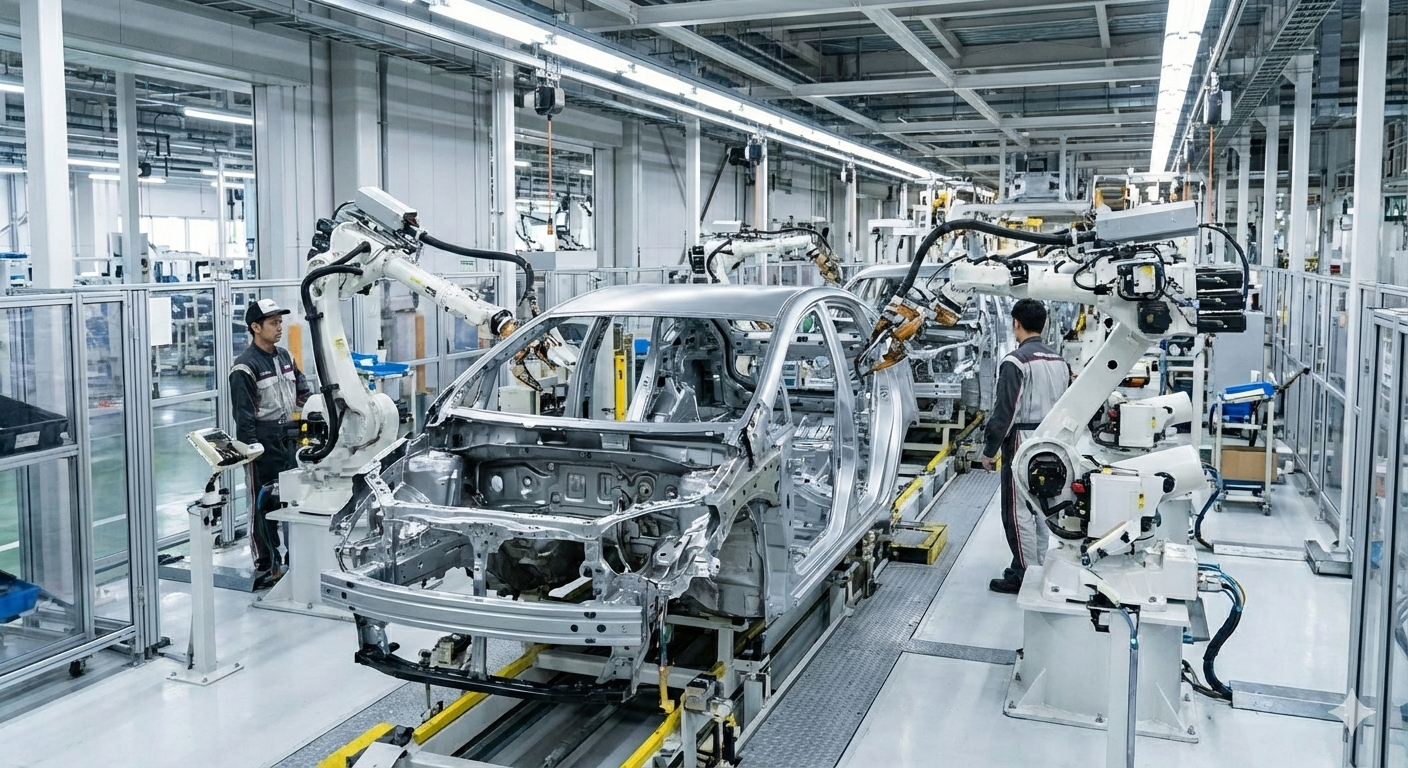
Brands like Toyota, Nissan, Honda, Mazda, and Subaru design vehicles to last well beyond 200,000 km with proper care. Engines are built for efficiency and longevity, not just performance.
Strict Environmental and Safety Regulations
Japan enforces tough standards on:
- Vehicle emissions
- Noise levels
- Safety compliance
Cars that fail to meet these standards become costly to keep domestically, encouraging owners to sell them while they are still in good condition. For importers, this means access to vehicles that are mechanically sound but economically impractical to keep in Japan.
Transparent Vehicle History and Documentation
Japanese used cars typically come with:
- Verified mileage records
- Auction inspection reports
- Export certificates
- Service history documentation
This transparency reduces the risk of hidden defects and builds trust for overseas buyers.
Why Japanese Used Cars Perform Better Overseas
When exported, Japanese used cars often operate in:
- Less congested traffic
- Lower maintenance-cost environments
- Longer highway drives
This allows them to perform efficiently for many additional years, especially in African, Caribbean, and Asian markets.
Comparison with Local Used Cars
Compared to locally sourced used vehicles, Japanese imports usually offer:
- Better mechanical condition
- Lower mileage
- Fewer accident histories
- More accurate documentation
Even after shipping and import costs, buyers often get better value for money.
Why Export Markets Benefit Even More from Japanese Used Cars
Another important reason Japanese used cars maintain such a strong reputation worldwide is how well they adapt to export market conditions. Vehicles originally designed for Japan often perform even better once they are driven abroad, especially in regions with fewer regulatory pressures and longer vehicle lifecycles.
In many export destinations, cars are not subjected to frequent mandatory inspections like Japan’s Shaken system. This allows Japanese used vehicles already maintained to high standards to operate for many more years without excessive compliance costs. Buyers benefit from a vehicle that starts its second life in excellent condition, with fewer restrictions on ownership duration.
Additionally, Japanese used cars are often over-engineered for reliability rather than short-term performance. Engines, gearboxes, and suspension systems are designed to handle long-term use with minimal failure. This makes them particularly well-suited for countries where vehicles are kept for extended periods and used across varying road conditions.
Fuel efficiency is another advantage that export markets appreciate. Japanese vehicles are typically lighter, aerodynamically efficient, and equipped with engines optimized for fuel savings. This helps owners manage rising fuel costs while maintaining reliable daily transportation.
Another overlooked benefit is ease of servicing. Japanese brands dominate global markets, meaning trained mechanics, diagnostic tools, and compatible replacement parts are widely available. This reduces downtime and ownership stress for importers and individual buyers alike.
Finally, the strong resale value of Japanese used cars in export markets further reinforces their appeal. Vehicles that are well-maintained and known for reliability retain value longer, making them a safer investment for both private owners and commercial dealers.
Final Thoughts
The global reputation of Japanese used car quality is built on strict inspections, disciplined maintenance, low mileage, and high manufacturing standards. These factors combine to create vehicles that remain reliable long after export.
For buyers seeking durability, transparency, and long-term value, Japanese used cars continue to be one of the smartest choices in the global automotive market.