PADI Rescue Diver Course: Scuba diving is more than just exploring coral reefs or swimming alongside colorful fish. It is an activity that demands responsibility, awareness, and readiness. As divers progress from beginners to more advanced levels, many look for ways to improve their confidence and skills underwater. This is where the PADI Rescue Diver Course becomes essential.
This course isn’t just about learning rescue techniques. It’s about transforming the way you dive and how you interact with others in the water. For serious divers who want to grow and become more capable, this course is a turning point.
Becoming a More Aware Diver
One of the first things divers notice during the PADI Rescue Diver Course is how much their awareness increases. It’s no longer just about your dive plan or your equipment. You begin to look at the whole picture—your dive buddy, the group, the environment, and the unexpected.
You learn how to recognize signs of panic, exhaustion, and stress before they turn into emergencies. This shift in mindset can make a huge difference in preventing problems before they escalate.
When you’re more aware, you’re more in control. And when you’re more in control, you enjoy your dives more.
Sharpening Your Skills Under Pressure
There is a big difference between knowing what to do in theory and reacting in a high-pressure situation. The PADI Rescue Diver Course teaches you how to act fast and smart in such moments.
You train to handle underwater emergencies, assist tired or panicked divers, and perform search and rescue techniques. The scenarios are hands-on and often unpredictable, just like real life. These exercises are challenging, but they build confidence.
You don’t have to be perfect at everything. What matters is learning how to stay calm, follow your training, and take action when it matters most.
Building Trust as a Dive Buddy
Would you trust someone who panics when things go wrong? Probably not. But would you dive with someone who stays calm, communicates well, and knows what to do in a crisis? Absolutely.
You can become that second type of diver by taking the PADI Rescue Diver Course. You’ll gain the skills needed to assist others, which makes you more dependable in the eyes of your dive group.
This trust isn’t just about emergencies. It extends to the entire dive—from pre-dive safety checks to post-dive debriefs. Good dive buddies are not just skilled. They’re attentive, supportive, and proactive. This course helps you become one of them.
Understanding Stress and Prevention
Many diving problems begin with stress. Sometimes it’s physical—like fatigue or cold. Other times it’s mental—like anxiety or fear. The course teaches you how to identify these early signs in both yourself and others.
You also learn how to reduce stress through better planning, communication, and gear checks. Prevention becomes just as important as response.
This awareness makes every dive safer. It can turn a potential emergency into a non-issue. Over time, these small actions add up and help you become a safer and more thoughtful diver.
Realistic Scenarios for Real-World Skills
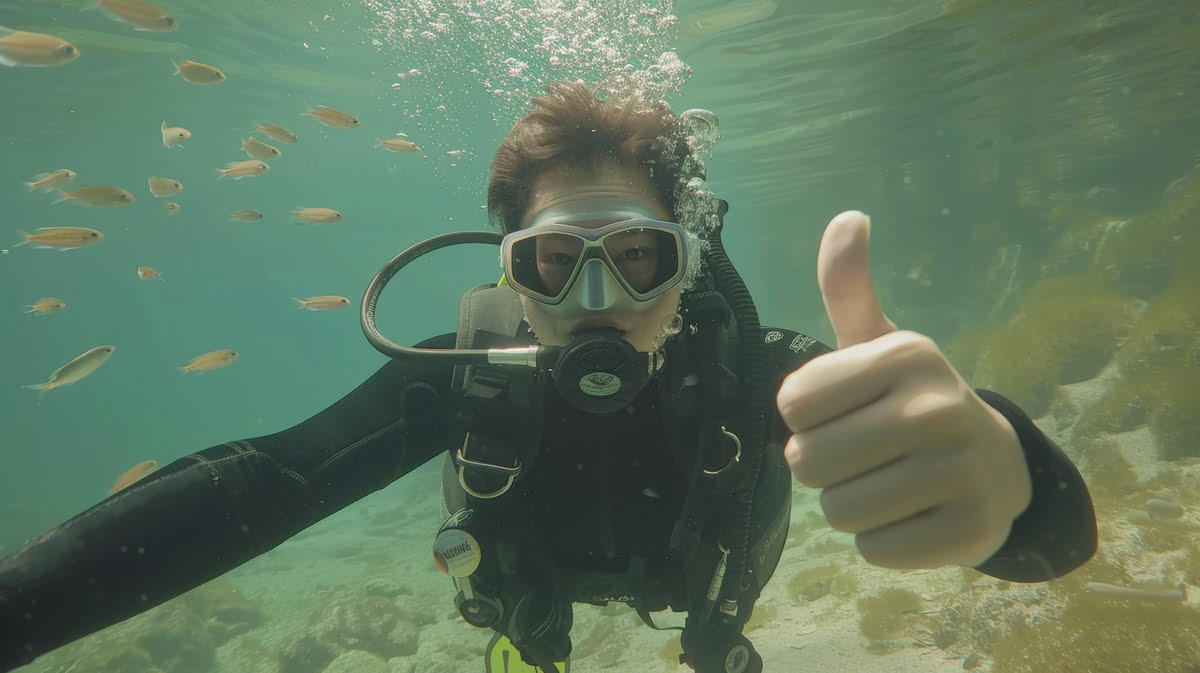
The training dives in the PADI Rescue Diver Course are not scripted like a classroom lesson. They are often spontaneous and designed to simulate real-life emergencies.
Your instructor might surprise you with an unconscious diver at the surface or simulate a missing diver underwater. You’ll need to assess the situation, respond quickly, and communicate clearly with your team.
These scenarios test your limits, but that’s the point. When you’re faced with a real emergency, you’ll remember the drills. You’ll know what to do because you’ve done it before.
Improving Navigation and Search Techniques
Search and recovery may not sound exciting at first, but these skills are incredibly useful. If someone loses a mask, fin, or even worse, a dive buddy goes missing, knowing how to organize a search pattern can make all the difference.
You’ll practice different types of search patterns depending on the environment and visibility. You’ll also learn how to use surface marker buoys, compasses, and buddy coordination more effectively.
These skills make you a more competent diver—not just in emergencies but in every dive.
Supporting the Diving Community
Serious divers are part of a larger community. Whether you dive in small groups or busy dive centers, your actions affect others. By completing the PADI Rescue Diver Course, you contribute to a culture of safety, support, and learning.
Other divers will look up to you for guidance. New divers may ask for tips or even help setting up their gear. Your confidence and experience can inspire others to improve as well.
This course isn’t just about helping in emergencies. It’s about showing leadership, being dependable, and lifting others.
A Stepping Stone to Professional Diving
If you’re thinking about becoming a Divemaster or Instructor someday, the PADI Rescue Diver Course is a key requirement. Even if you’re not aiming for a career in diving, it still takes you to a higher level.
Many divers complete the Open Water and Advanced Open Water courses and stop there. But the real growth happens when you move beyond your diving and start thinking about the group, the community, and the environment.
This course is the bridge between recreational diving and professional-level responsibility.
Gaining a Deeper Understanding of Diving
There’s a certain clarity that comes from understanding what can go wrong and knowing how to respond. Instead of diving with uncertainty or fear, you gain peace of mind.
The PADI Rescue Diver Course doesn’t make you invincible. But it does prepare you for the unexpected. That preparation allows you to enjoy your dives more fully and safely.
When you know how to protect yourself and help others, every dive becomes a chance to lead, support, and grow.
Summary
If you’ve completed your Advanced Open Water course and you’re asking yourself what’s next, the answer is clear: take the PADI Rescue Diver Course.
This course challenges you, but it also changes you. It pushes you to think beyond your dive and start looking out for others. It helps you stay calm in emergencies, prevent accidents, and build trust with your dive buddies.
Most of all, it turns you into the kind of diver others can count on.
And in the world of scuba diving, that’s one of the most valuable things you can be.